The Federal Communications Commission is pressing a federal court to throw out a lawsuit filed by Disney and ABC, arguing the company's legal challenge is premature and blocks the agency from investigating allegations of discriminatory hiring practices. In a court filing made public Thursday, FCC attorneys said the suit would hamper the commission's ability to ensure that ABC's local stations are serving the public interest.
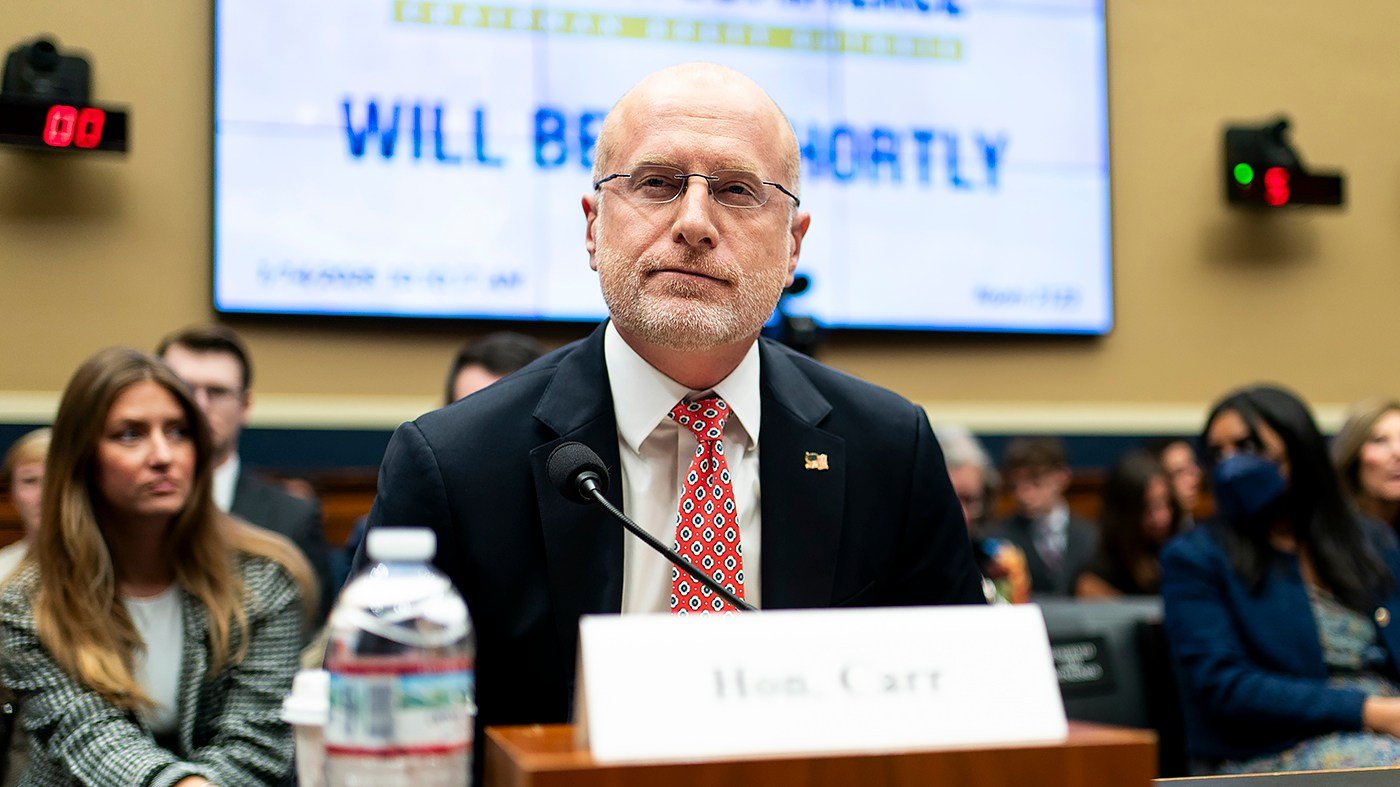
Disney filed suit last month after the FCC called for early renewal of licenses for several ABC-owned stations in major markets across the country—a move that alarmed press freedom advocates and some Democratic lawmakers. The company claims the commission is using its regulatory power to punish the network for content it disagrees with, citing recent comments by FCC Chairman Brendan Carr about ABC's late-night programming.

In its complaint, Disney accused the Trump administration of sending a clear message to every media company: tell only the stories the administration deems favorable, or face the coercive machinery of the federal government. The company warned that such pressure would undermine press freedom, adding that the FCC chairman has left little doubt that this is his goal.
FCC Defends Its Authority
The FCC's filing rejects that characterization, arguing that broadcasters are highly regulated entities that receive exclusive, free access to valuable portions of the electromagnetic spectrum—a finite public resource. The agency maintains that its review of ABC's license renewals is part of a broader investigation into whether Disney's DEI policies amount to unlawful discrimination.
“This would only hobble the Commission's efforts to investigate and resolve serious allegations that Disney has engaged in unlawful discrimination,” the filing states, “and from otherwise ensuring that Disney's stations are serving the public interest.”
The FCC also argued that Disney's lawsuit is premature because the administrative process has not yet concluded, and that allowing the lawsuit to proceed would free the company from the burden of proving its case in that forum.
Political Tensions Over Media Regulation
The dispute is the latest flashpoint in a broader clash between the Trump administration and major media companies. Carr, a frequent critic of mainstream outlets, has questioned whether ABC is using its broadcast licenses in the public interest and has called for the firing of late-night host Jimmy Kimmel over jokes about the president and conservative activist Charlie Kirk.
Carr has also vowed to investigate major media companies over their DEI initiatives, defending the commission's scrutiny of those practices. The FCC's filing echoes that stance, asserting that the balance of equities and the public interest weigh against blocking its investigation.
Legal experts say the case could test the limits of the FCC's authority to consider a broadcaster's corporate policies—not just its on-air content—when reviewing license renewals. Some see parallels to other recent regulatory battles, such as the court fight over California's clean air rules, where federal agencies have pushed to expand their oversight.
Disney's lawsuit also raises First Amendment concerns that could resonate beyond the broadcasting industry. The company's complaint argues that the FCC's actions are retaliation for editorial decisions, a claim that, if proven, could have significant implications for press freedom.
The case is being watched closely by media advocates, who worry that the FCC's aggressive posture could chill coverage of the administration. Some also note that the commission's move comes amid a broader legal challenge to other Trump administration actions, suggesting a pattern of executive overreach.
For now, the FCC is asking the court to dismiss Disney's lawsuit, arguing that the company must first exhaust its administrative remedies. A ruling on that motion could come in the coming weeks, setting the stage for a potentially protracted legal battle over the boundaries of broadcast regulation and the First Amendment.