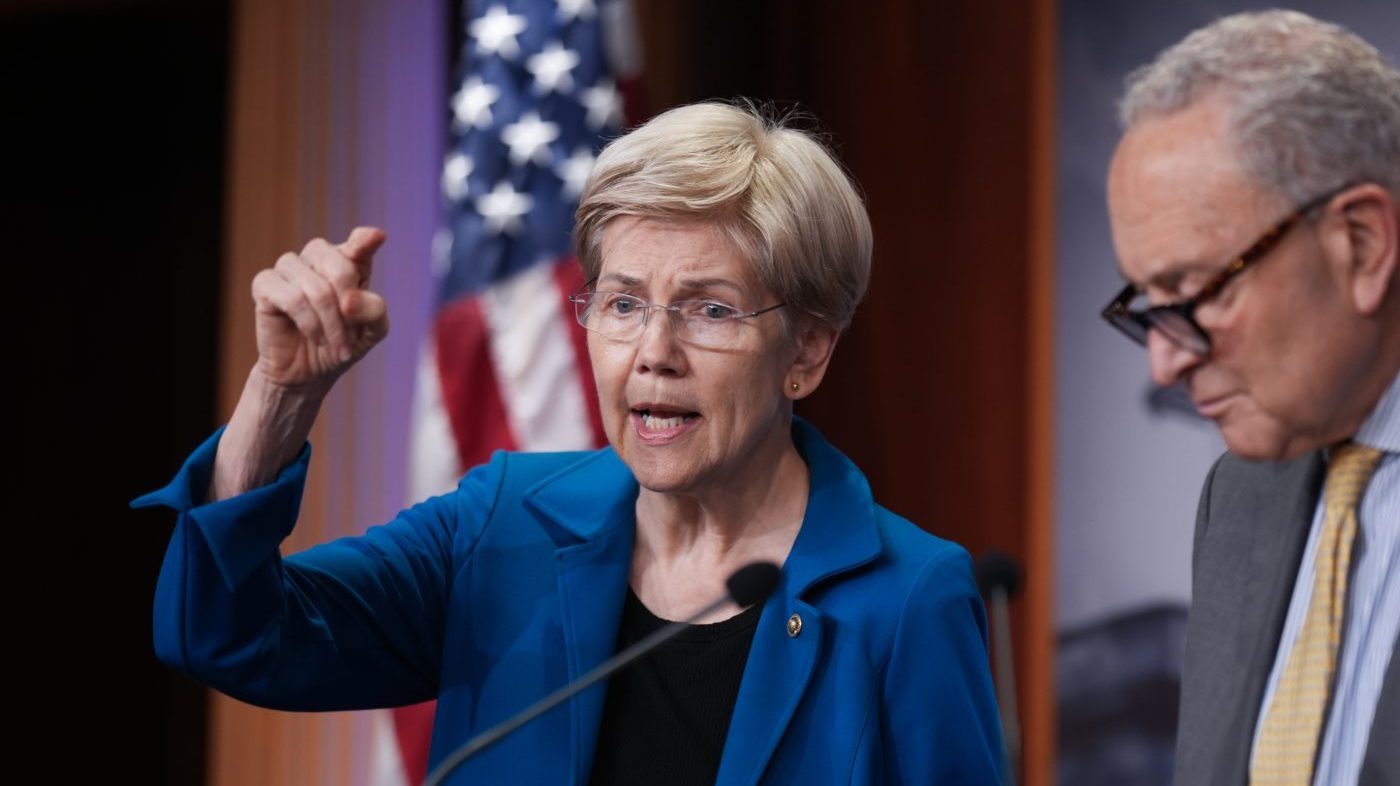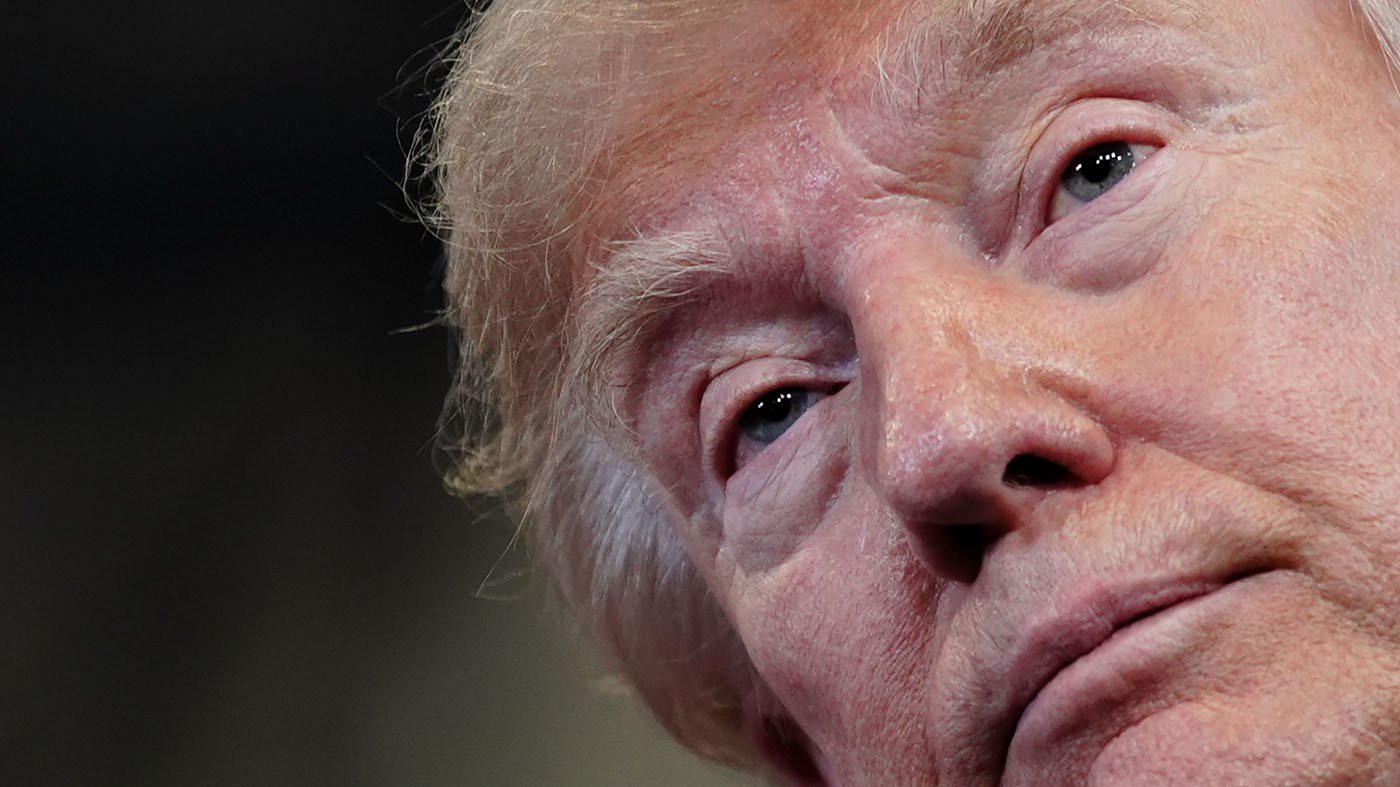
While I have often been a sharp critic of President Trump, one must acknowledge his recent move to demand FCC action against NBC's Kristen Welker. Trump's complaint, filed over Welker's remark that his primary endorsements had produced "some mixed results," is being framed as a stand for media accuracy. But the implications extend far beyond one network correspondent.
The president's statement was unequivocal: "How can anyone be allowed to say this, working for freely given Public Airwaves? ... Because of this purposeful inaccuracy, she will be reported to the FCC for rebuke or punishment. ... The Press is a Disgrace to our Nation, and I hope that Chairman Brendan Carr, and the fine people of his Commission, will take this Threat to our Country very seriously."
Chairman Carr, a Trump appointee, has the authority to act. The FCC's "news distortion" policy, dormant for decades, prohibits deliberate distortion in over-the-air broadcasts. Reviving and strengthening this policy is a central goal for Trump and Carr, and the Welker complaint is a test case. The policy's legal foundation is shaky at best under the First Amendment, yet the administration is pushing to entrench it.
Historically, the FCC has applied this rule narrowly. Since the Reagan era, it was used only once, against NBC for rigging exploding gas tanks in a news segment. Trump's new "unfairness doctrine" goes much further, aiming to penalize any broadcast deemed "fake news" or unfairly critical of the president or the government. Carr's first foray was an attempt to sanction Jimmy Kimmel over a segment about Charlie Kirk's assassin, a move that signaled the administration's willingness to police editorial content.
Welker's comment, which was arguably accurate, is hardly a "threat to our country." Yet if she can be punished, the door opens for action against far more egregious examples of misinformation in conservative media. AM talk radio, the backbone of conservative commentary, is also on public airwaves and subject to the same rules. Shows like Infowars, notorious for dangerous conspiracy theories, would be prime targets. Even mainstream hosts like Sean Hannity and Mark Levin, who have promoted unsubstantiated claims about election fraud and the "Biden crime family," could face sanctions.
This is a double-edged sword. A future Democratic president could use the same expanded doctrine to crack down on right-wing outlets. The precedent set now would apply equally to both sides. Republicans who cheer Trump's attack on Welker may find themselves the victims of a similar weaponized FCC under a Democratic administration. As the saying goes, what's sauce for the goose is sauce for the gander.
Trump's motivations are self-centered. He is a political solipsist, unconcerned with the long-term damage to the GOP or conservative media. He has already pushed to eliminate the filibuster and undermine confidence in elections, actions that will have consequences long after he leaves office. He cares little for the fate of conservative outlets once they cease to serve his interests.
The broader impact is already being felt. MAGA Republicans may relish "liberal tears," but the fallout affects everyone—from urban workers to rural farmers. Higher prices, an unwinnable war, and now an assault on the First Amendment. The question is whether Republicans will speak out before it's too late.