The U.S. labor market showed renewed vigor in August, with employers adding 162,000 jobs, according to data released Friday by the Bureau of Labor Statistics. The unemployment rate held steady at 4.1%, matching economists' forecasts, but the payroll gain blew past the 53,000 consensus estimate, according to The Wall Street Journal.
The August figures mark a decisive rebound from July's initially reported loss of 23,000 jobs, though the BLS revised June and July data upward, showing gains of 31,000 and 21,000, respectively. This revision suggests that the earlier softness was a temporary blip rather than the start of a downturn, a view echoed by Jerry Tempelman, vice president of economic and fixed income research at Mutual of America Capital Management. "Friday's numbers may corroborate that recent softness was temporary rather than indicative of a broader deterioration," he said in a statement.
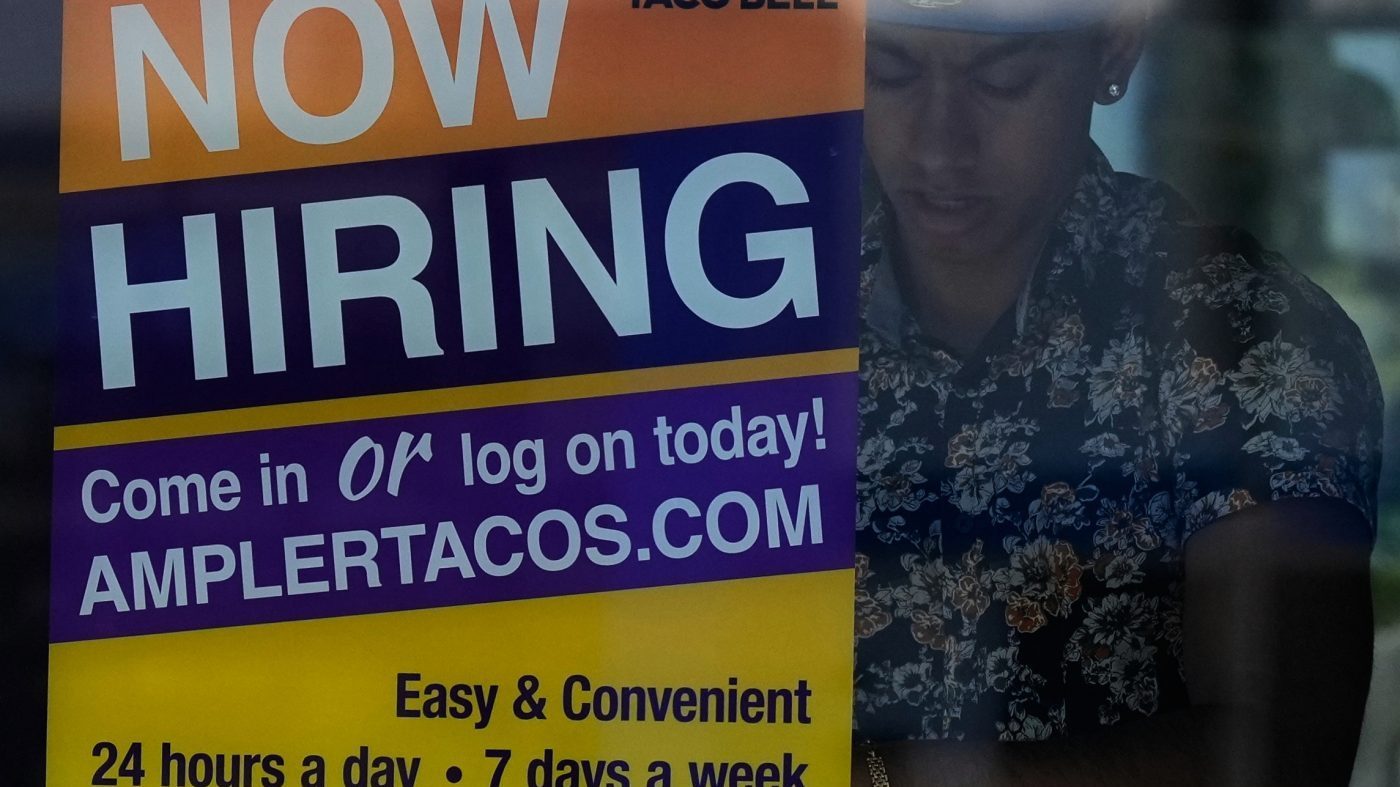
The surge was driven by strong hiring in food services and drinking places, which added 59,000 jobs, and local government education, which increased by 42,000, largely offsetting a decline in the prior month, the BLS noted.
The robust report comes as Federal Reserve Chair Kevin Warsh has downplayed concerns about labor market weakness. Speaking last week at the central bank's annual symposium in Wyoming, Warsh highlighted that four-week average unemployment claims are "near their lowest level" in decades. He attributed the relatively low turnover in today's labor market to the significant rematching between employers and employees that occurred in the post-pandemic environment. "When labor supply is barely growing, monthly job gains are naturally going to run low," he added.
Economists point to reduced net migration as a key factor constraining labor supply, a consequence of the Trump administration's aggressive deportation campaign. The labor force participation rate has slipped by 0.5 percentage points since January, though it ticked up to 61.6% in August, according to the BLS.
The strong jobs report complicates the Federal Reserve's interest rate decision, with the next Federal Open Market Committee meeting less than two weeks away. Fed Governor Christopher Waller said Thursday that he anticipated stable unemployment numbers relative to July and noted that upcoming inflation data would "heavily" influence his vote. Markets are currently pricing in roughly a 50% chance that the central bank holds rates steady and a 50% chance of a quarter-point hike, according to CME's FedWatch tool.
"If there is continued progress toward our 2 percent goal, then I am willing to support holding the policy rate at its current level," Waller said at a Reuters NEXT Newsmaker event. "But if inflation comes in hot, I would consider a rate hike."
Inflation remains stubbornly above the Fed's target. The personal consumption expenditures (PCE) price index, the Fed's preferred gauge, held at a 3.7% annual rate in July. This persistent price pressure coincides with tepid economic growth: the U.S. gross domestic product expanded at a mere 1.5% annualized rate in the second quarter, according to the Bureau of Economic Analysis (BEA), a sharp slowdown from the 2.1% growth in the first quarter and the 4.4% surge in the third quarter of last year.
The August jobs report provides some political breathing room for the Trump administration, which has faced criticism over the economy. However, the combination of strong job gains and high inflation keeps the Federal Reserve in a tight spot, as it balances supporting growth against containing price pressures. The upcoming inflation report will be pivotal in determining the central bank's next move.