The United Nations Food and Agriculture Organization (FAO) has dismissed a senior official who says his work on Gaza's hunger crisis led to his termination. Benjamin Davis, a 26-year veteran of the agency, told The Guardian that his dismissal stems from briefings and seminars that drew the ire of Israel's mission to the UN.
According to The Guardian, a seminar led by Davis prompted a formal complaint from the Israeli mission. The mission also sent a diplomat to photograph staff participating in a moment of silence in October 2025. Davis, a Spanish-American citizen, was asked to leave his post by September 30, a decision he is appealing, insisting his actions were not political.

"I feel it's a terrible injustice," Davis told Reuters. "I've been disciplined without due process for speaking about a subject at the core of FAO's mandate about the right to food which is the most basic of human rights."
FAO Director-General Qu Dongyu, a Chinese agronomist, appeared to reference Davis's case during a speech at the 28th Session of the Committee on Forestry in Rome. He warned that the FAO "is not going to allow you to play the game here of human rights," and added, "Of course human rights are very important, but they have a human rights agency in Geneva. If you want to take care [of human rights], go there. That's why [when] some senior members play political games here, I fire him."
Davis responded sharply, telling The Guardian that Qu's comments shocked many staff and undermine the UN's foundational principles. In his official appeal, Davis wrote, "Silence in the face of suffering and injustice is not neutrality, it is complicity," and argued that "shutting down discussion on the starvation of the Palestinian people weakens the reputation of the organisation and the legitimacy of our mandate."
The controversy extends beyond Davis's dismissal. In September 2025, he recounted an encounter with a woman claiming to be an Israeli diplomat who photographed a staff meeting and later filed a harassment complaint against him. Davis maintains that all meetings and the seminar were approved by FAO management.
Davis's case highlights a broader debate about the role of UN agencies in addressing humanitarian crises. His firing comes amid ongoing concerns about hunger crises in other regions, and it raises questions about whether international bodies can openly discuss such issues without political backlash.
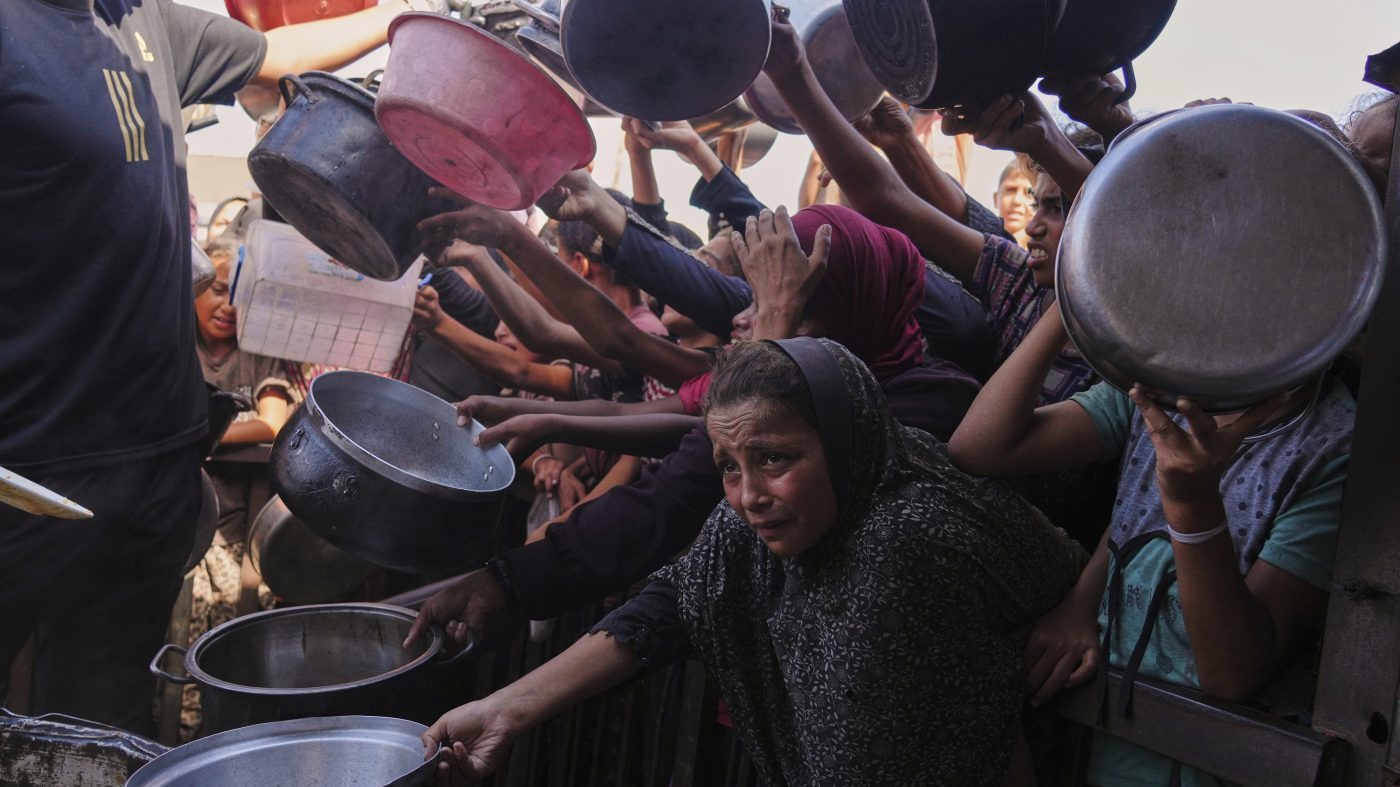
The Gaza Strip has been under severe strain since Israel's military campaign began in response to the October 7, 2023 Hamas attack. Nearly three years later, the territory's 2 million residents face a worsening hunger crisis, compounded by ongoing Israeli strikes, drones, and ground troops, even after a ceasefire was reached last October. The Gaza Health Ministry reports over 74,000 Palestinian deaths.
Davis, who has urged colleagues to "do whatever little you can do" and not despair, represents a flashpoint in the tension between humanitarian advocacy and political pressure within the UN system. His appeal and Qu's comments have intensified scrutiny of the FAO's leadership and its commitment to its core mission.