The collapse of U.S.-Canada trade negotiations, which triggered new 50 percent tariffs on select goods, is now coming into sharper focus. According to U.S. Trade Representative Jamieson Greer, Washington had put forward a series of concessions before the talks broke down this weekend.
In an interview with The New York Times on Saturday evening, Greer said the U.S. had offered to reduce existing tariffs on Canadian steel, aluminum, and automobiles. He also indicated that the administration was prepared to eliminate the softwood lumber tax entirely. Greer explained that these measures were contingent on Canada meeting other unspecified demands, and that the threatened Section 338 tariffs—which would apply to 5 percent of Canadian exports—would have been suspended had an agreement been reached.

“Obviously, we would completely suspend the 50 percent Section 338 tariffs that we were going to apply to 5 percent of Canadian exports,” Greer told the Times, outlining the deal that was on the table.
Canadian Prime Minister Mark Carney responded Saturday by vowing to match the U.S. tariffs “dollar for dollar,” though specific retaliatory measures have not yet been detailed. The Canadian levies are set to take effect on September 8, and some lawmakers on both sides of the border have urged a return to the negotiating table before that deadline. The escalating dispute has raised concerns among businesses and trade experts about the economic fallout, with some calling on the White House to weigh the impact more carefully.
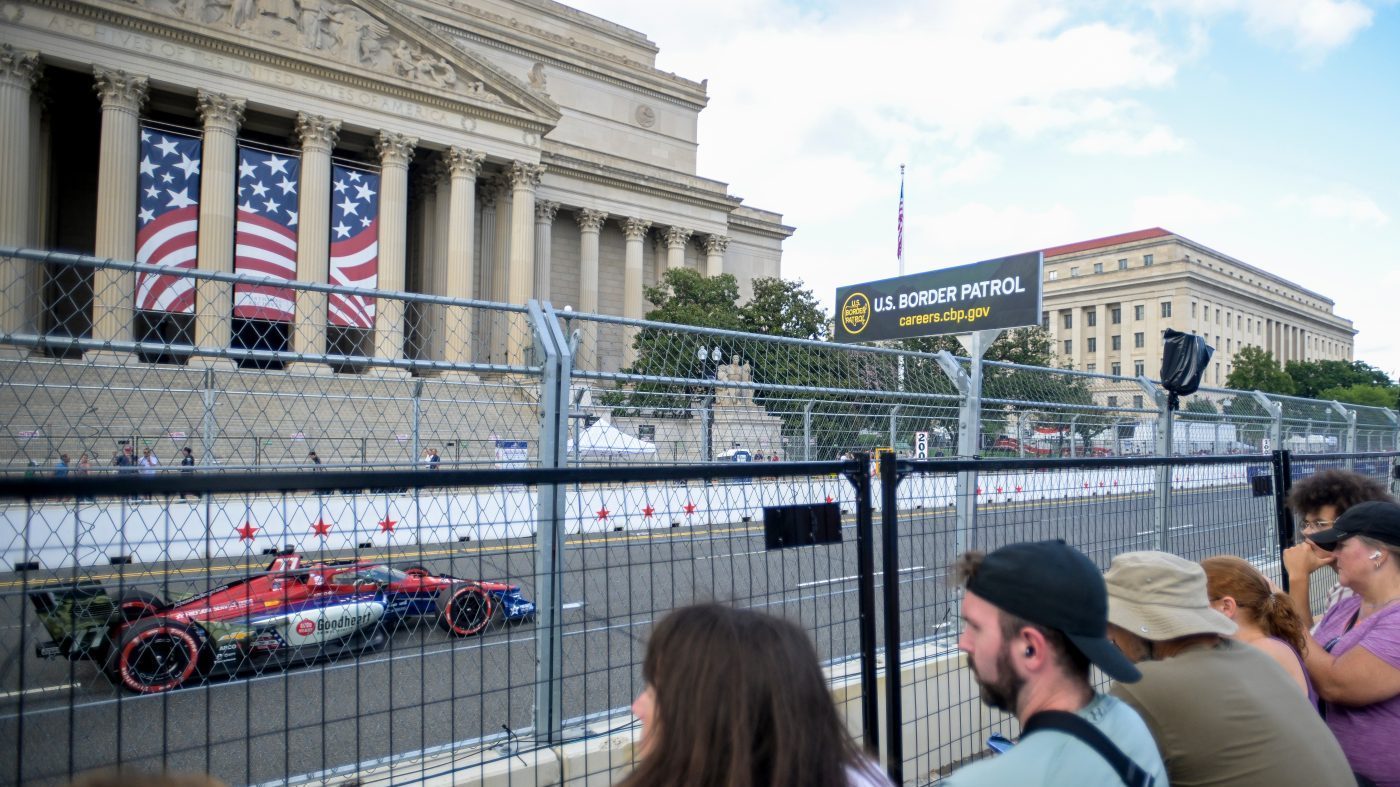
President Trump addressed the standoff early Sunday in a Truth Social post, accusing Canada of wanting “the benefits of being a State, without being one.” That remark echoes his earlier suggestions that Canada could become the 51st U.S. state, a notion that has repeatedly angered Canadian officials. The president’s comments came as he prepared to take a ceremonial lap alongside First Lady Melania Trump during the America 250 IndyCar Grand Prix in Washington, D.C., a race that was itself brought to the capital through his administration’s push for a historic street circuit event.
The trade conflict has also drawn criticism from within the president’s own party. Senator Susan Collins has urged the White House to consider the potential economic damage as the dispute deepens, and a federal judge recently struck down Trump’s 75-country visa suspension, adding to the administration’s legal and political battles. Meanwhile, the president has also clashed with Republican lawmakers Marjorie Taylor Greene and Thomas Massie over a beef tariff dispute, underscoring the fractious nature of trade policy in the current political climate.
As the September 8 deadline approaches, the path forward remains uncertain. Carney has not specified which U.S. products would be targeted, but his commitment to matching the tariffs suggests a prolonged standoff. Trade analysts note that the 50 percent levies on both sides could disrupt cross-border supply chains, particularly in the automotive and agricultural sectors. For now, the president’s focus appears to be on the ceremonial lap in D.C., but the trade war is far from over.