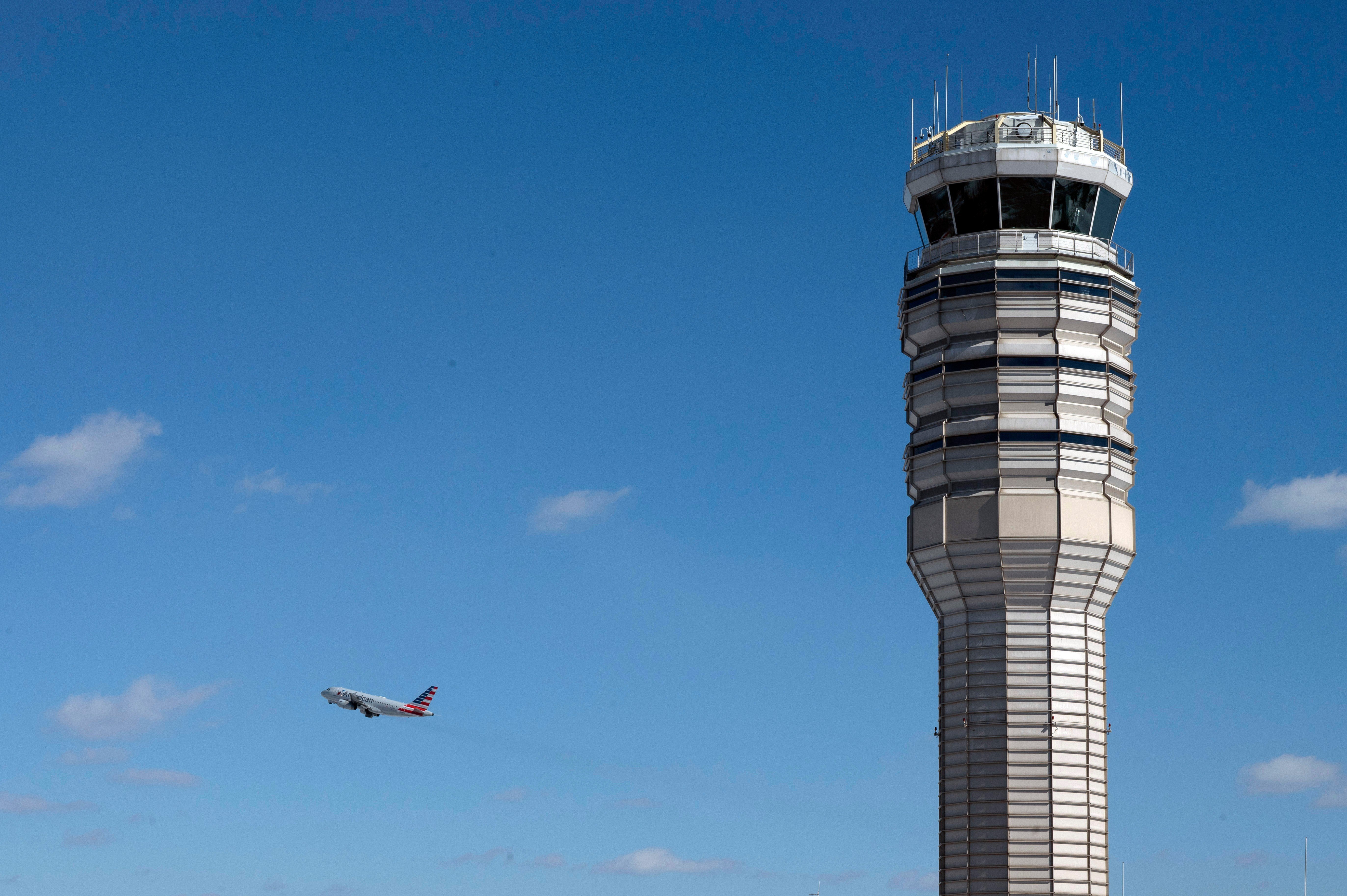
The U.S. aviation system nearly ground to a halt on Friday after a communications failure at air traffic control facilities triggered a nationwide FAA ground stop, suspending departures for more than four hours. Thousands of flights were canceled and thousands more delayed, rippling through travel plans, business operations, and supply chains. Transportation Secretary Sean Duffy attributed the outage to aging infrastructure and overloaded routers—equipment that predates the iPhone.
For millions of travelers, it was a maddening disruption. For lawmakers, it should serve as a stark warning. The nation's air traffic control network is decades behind the times, and Friday's chaos made clear that further delay is unacceptable.

While there is plenty of blame to go around—both parties and multiple administrations have let the system deteriorate—the immediate focus must be on solutions. Modernizing air traffic control offers a rare opportunity for bipartisan cooperation. With the holidays approaching, Congress can demonstrate its ability to deliver tangible results on an issue that affects every district.
The proposed $30 billion investment represents less than one percent of the federal budget. It is hard to find infrastructure spending with a better return. Decades of deferred maintenance have left controllers reliant on floppy disks and paper strips. As Chris Sununu, president and CEO of Airlines for America and former governor of New Hampshire, put it, "Imagine driving on a road that hasn't been paved in 40 years. That is what our national airspace is doing right now."
Congress took a first step in July 2025, approving $12.5 billion to begin the modernization. Since then, thousands of telecommunications and navigation upgrades have been completed nationwide, including replacing outdated radars, swapping copper for fiber, and bringing new voice switches online. Projects that once took years are now finished in months.
But the work is far from over. Friday's ground stop was a blunt reminder of the stakes. Every day, the U.S. aviation system moves more than 2 million passengers and 60,000 tons of cargo—including medical supplies, electronics, and fresh food. A modernized air traffic control system is essential to keeping that network safe and reliable.
Secretary Duffy and OMB Director Russ Vought have announced the Trump administration will request at least $30 billion more from Congress. The plan allocates $10 billion for software modernization, including a common automation platform; $10 billion for airport infrastructure in terminals and on runways; and $10 billion to repair and replace aging facilities, from leaky roofs to failing HVAC systems.
These investments are critical to completing the work already underway and preparing for future growth. Without them, progress could stall. Lawmakers are already demanding answers before approving further funds, while some, like House Speaker Johnson, resist a probe but support the modernization push.
Friday's ground stop is a call to action. Congress has taken an important first step, but finishing the job requires both parties to come together and deliver a win for the American people. As Sununu said, "I cannot think of a better early Christmas present for us all."