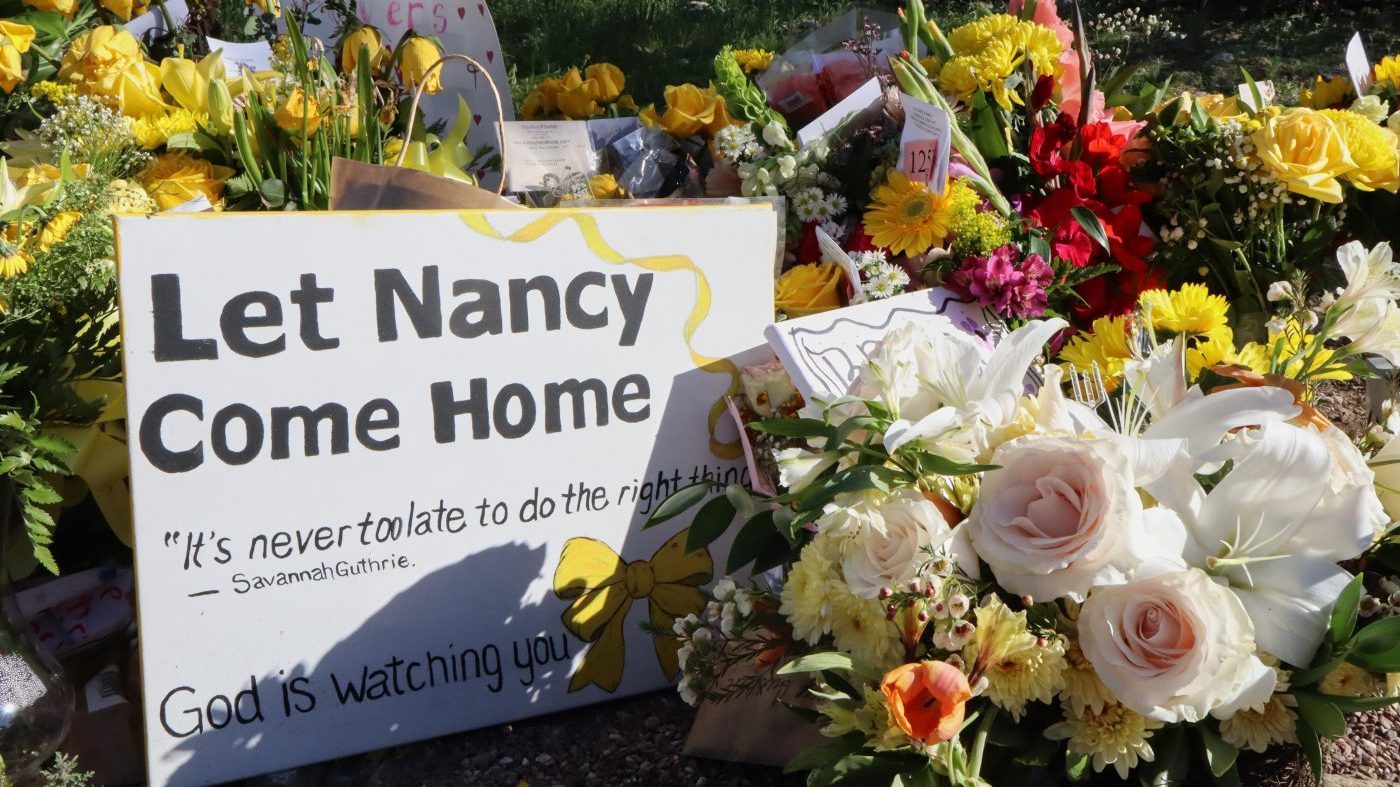
In a striking assessment of the ongoing investigation into Nancy Guthrie's disappearance, Dr. Ann Burgess, a former psychiatric clinical nurse specialist with the FBI's Behavioral Analysis Unit, has suggested the 84-year-old's kidnapping may constitute an act of retribution. Burgess presented her analysis on NewsNation's "Brian Entin Investigates," framing the crime as a potentially targeted strike meant to inflict maximum emotional damage on Guthrie's immediate circle.
A Violent Act of Anger
Burgess pointed to evidence of violence at Guthrie's Florida home, specifically noting the presence of blood, as indicative of a scenario that escalated beyond a planned abduction. "I think something went very wrong inside the house... because you know, there was blood," Burgess stated. She characterized the act as "a very mean, angry, horrible thing to do," suggesting the perpetrator's primary aim was to cause profound hurt to Guthrie's family and friends.
"Who in her orbit, let's call it family, could be friends, would be hurt the most by the kidnapping?" Burgess asked rhetorically. Her analysis concludes that Guthrie herself was unlikely to be the ultimate target for any harm beyond the abduction itself, implying the crime's purpose was psychological torment of her loved ones. This type of targeted, personal violence often reflects deeper interpersonal conflicts, a dynamic sometimes seen in cases where political and personal loyalties become dangerously entangled.
Criticism of FBI Transparency
Beyond her behavioral assessment, Burgess leveled direct criticism at the Federal Bureau of Investigation for its handling of public information in the case. She argued the agency is withholding evidence that could aid public understanding and potentially generate new leads. "I think there are other small bits of evidence that could be released that people could then have more to be able to, again, hypothesize on or speculate. I think they could let more out," Burgess said.
This call for greater transparency comes as the investigation, now over two months old, has yet to name any suspects. The FBI released security camera footage from outside Guthrie's home earlier this year, but the trail appears to have grown cold. The pace of high-profile investigations can sometimes mirror the frustrating delays seen in other complex policy areas, such as the protracted debates over public health funding which often follow a boom-and-bust cycle.
Case Background and Timeline
Nancy Guthrie, mother of "Today" show co-anchor Savannah Guthrie, was reported missing on February 1 after she failed to appear for a church service. Authorities believe the kidnapping occurred in the early morning hours, based on data from her medical device. Her pacemaker disconnected from its paired phone around 2:30 a.m., indicating the device was moved out of range—a digital clue that has provided the clearest timestamp for the crime.
The absence of suspects and the high-profile nature of the victim's family have placed intense scrutiny on law enforcement. The case underscores the challenges investigators face when crimes appear driven by personal vendetta rather than financial gain, a complexity that requires nuanced behavioral analysis. Understanding motive in such instances is as critical as it is in deciphering international conflicts, where actions are rarely straightforward, as seen in analyses of Iran's strategic positioning following regional conflicts.
As the search continues, Burgess's public commentary adds a layer of expert interpretation to a case that has captivated national attention. Her theory of retribution reframes the kidnapping not as a random act, but as a calculated strike with a specific emotional objective. Whether this perspective will prompt new investigative directions or increased information sharing from the FBI remains an open question in this unresolved and troubling disappearance.