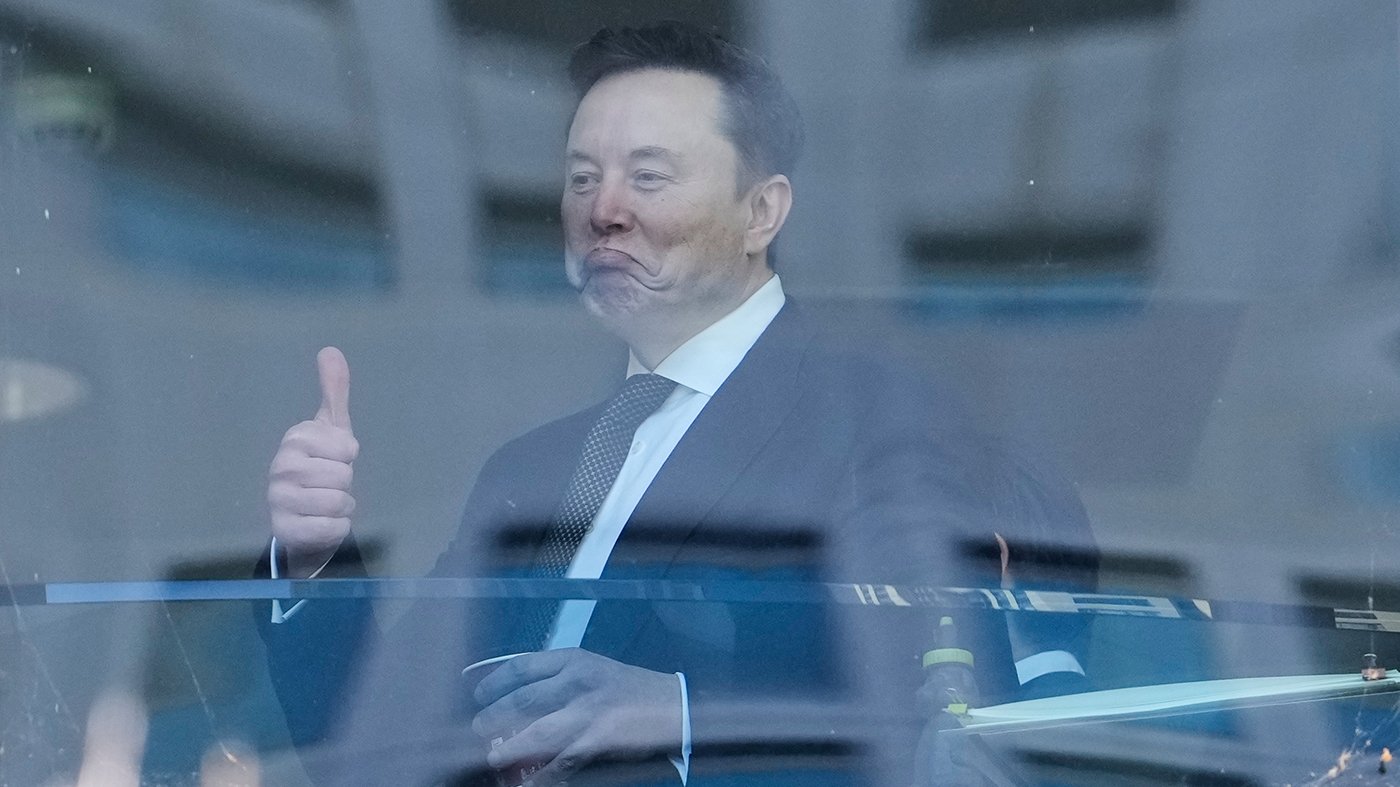
Elon Musk has officially been declared the world's first trillionaire, a milestone that captures the imagination but also raises hard questions about what such wealth actually means. The figure is dizzying, but it's built on a foundation of market capitalization, not cash in the bank.
Market capitalization is the value investors assign to a company based on its share price. But it's a measure of collective belief, not a direct tally of profits, assets, or even business performance. It's a bet on the future, not a report card on the present.
Tesla offers a stark example. At various points, the electric vehicle maker has been worth more than several major traditional automakers combined. Yet Toyota, for instance, sells far more vehicles, generates higher revenue, and delivers consistent profits. The gap isn't about current operations; it's about faith in Tesla's role in transportation, energy, AI, and automation.
The same logic applies to SpaceX. The company has revolutionized spaceflight and built a massive satellite network with Starlink. But much of its valuation hinges on future possibilities, like global communications infrastructure and space logistics, which remain largely aspirational. Investors are buying a vision, not just a business.
This pattern isn't unique to Musk. History is full of market bubbles fueled by compelling narratives: railroads in the 1800s, radio in the 1920s, the internet in the 1990s, and now AI. Sometimes the hype pays off; sometimes it doesn't.
The trillionaire label blurs the line between theoretical and realized wealth. A billionaire's net worth is calculated using share prices that might collapse if large blocks were sold. The headline figure is a snapshot of investor sentiment, not a bank balance.
None of this diminishes Musk's achievements. He's reshaped industries from electric vehicles to private spaceflight. But the obsession with trillionaire status says as much about our own fascination with narratives as it does about him. Markets are driven by stories of transformation and disruption, which can inspire innovation but also create illusions that expectations equal reality.
As the DSA's primary challenges show, political narratives can shift quickly. Similarly, in finance, the gap between market value and economic reality is widening. Understanding that distinction is more critical than ever.
The trillionaire headline is a reminder: financial markets often price the future long before it arrives. Whether those expectations hold remains to be seen. But for now, the gap between belief and reality is the real story.