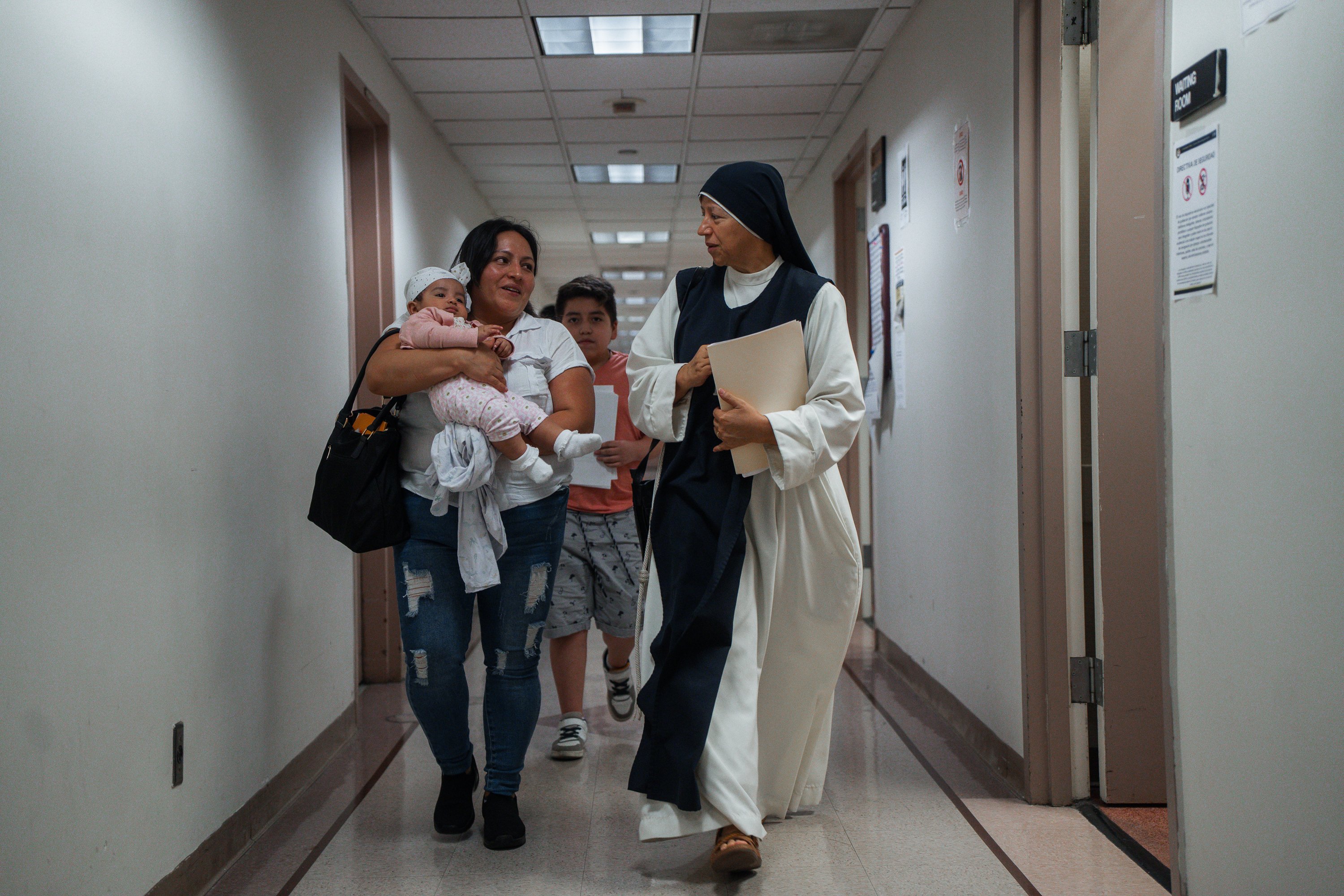
The Department of Homeland Security has unveiled a regulatory proposal that would significantly delay work authorization for individuals seeking asylum in the United States. The rule would extend the mandatory waiting period from the current six months to a full year, a move the agency argues is necessary to deter fraudulent applications filed primarily to gain legal employment status.
A System Under Strain
DHS officials contend the existing framework, which allows applicants to request work permits shortly after filing an asylum claim, has become a powerful incentive for abuse. The department points to staggering backlogs: as of mid-2025, over 1.5 million asylum applications and 434,000 related work permit requests were pending. These figures are part of a broader immigration court crisis, where an additional 2.3 million asylum cases languish within a 3.3 million-case backlog at the Department of Justice.
"The opportunity to work makes a fraudulent asylum application a low-risk, high-reward proposition," the department stated, describing the current policy as "a magnet pulling aliens into the U.S. illegally." The proposed change is designed to reduce what officials label "frivolous, fraudulent, or otherwise meritless" filings that strain adjudicative resources.
Legal and Procedural Complexities
The proposal represents the latest chapter in a long-running policy battle. The Trump administration implemented a similar 365-day wait in 2020, but it was vacated by courts after challenges over the legitimacy of the acting Homeland Security secretary's appointment. The Biden administration reverted to the six-month standard. This new effort would reinstate the year-long delay.
Beyond the extended wait, the rule introduces a complex trigger mechanism. It would automatically pause the acceptance of new work permit applications whenever the average asylum processing time exceeds 180 days for 90 consecutive days. Applications would only resume once processing times fall below that threshold for another 90-day period. DHS acknowledges this could lead to a multi-year freeze on new permits, given current delays.
Criticism of a "Half-Measure"
Some immigration policy analysts argue the proposal does not go far enough. They advocate for a more straightforward approach: granting work authorization only after an asylum application is approved, not while it is merely pending. They warn the current "half-measure" creates perverse incentives, potentially pressuring adjudicators to rubber-stamp approvals to quickly reduce processing times and restart the work permit pipeline.
This internal pressure, critics say, could undermine the integrity of the asylum review process itself. The rule also introduces unpredictability for applicants and government agencies alike, as the entire work permit application process would periodically switch on and off based on fluctuating processing metrics.
Broader Immigration Enforcement Context
The proposed rule arrives amid intense scrutiny of DHS operations and immigration enforcement. The department continues to grapple with systemic challenges, from funding shortfalls impacting core functions to legal disputes over enforcement authority. Meanwhile, the Supreme Court is currently weighing pivotal definitions that could reshape asylum eligibility at the border.
DHS has indicated this rule is its preferred alternative to a more drastic option: eliminating work authorization for pending asylum applicants entirely. The agency stated it hopes to achieve fraud reduction "through less severe means" but warned it would re-evaluate if this rule proves ineffective or is blocked in court. The fight over work permits underscores a central tension in U.S. immigration policy: balancing humanitarian protection with systemic integrity, a challenge also reflected in ongoing state-level efforts to combat fraud in public benefit systems.
The public comment period on the proposed rule is now open, setting the stage for another contentious administrative battle over the future of U.S. asylum policy.