The Department of Homeland Security has issued a stark warning to its workforce: a paycheck scheduled for this Friday may be their last until Congress passes a funding bill to end the record-long partial government shutdown. However, conflicting messages from the administration have sown significant confusion about whether this directive applies to Transportation Security Administration officers, who have been at the center of the political impasse.
Executive Orders and Back Pay
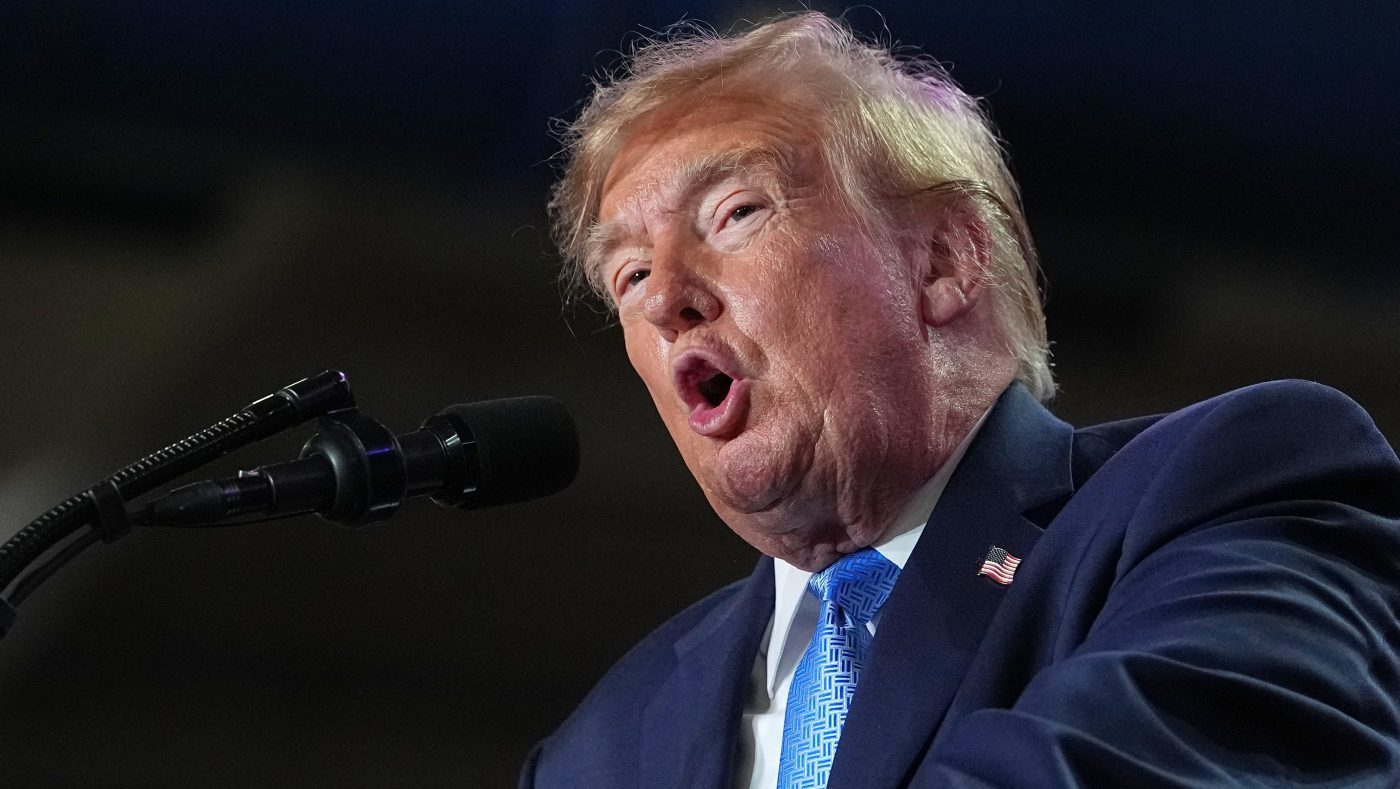
Last week, TSA employees began receiving back pay following an executive order signed by President Trump on March 27. The order directed DHS to find funds to compensate TSA workers for their unpaid labor since the shutdown began on February 14. A week later, the president signed a second, similar directive extending this back-pay provision to all DHS employees required to work without pay, including personnel from the Coast Guard, the Federal Emergency Management Agency, and the Cybersecurity and Infrastructure Security Agency.
According to a memo sent to DHS employees on Monday and reviewed by The World Signal, TSA workers are slated to receive another paycheck this Friday. This payment will cover pay period 6, which ended April 4, as well as previously unpaid hours from earlier in the shutdown. Other DHS employees will receive back pay this week for all pay periods through that same date.
A Warning of Financial Cliff
The memo contained a critical caveat, warning employees not to expect additional compensation for hours worked—including any time since April 4—until Congress restores the department's funding. "Any additional compensation owed to you will be paid once DHS funding is restored," the memo stated. It further instructed staff, "At this time, do not submit timecards for pay period 7 until further guidance is provided."
This warning, however, was immediately clouded by ambiguity. A spokesperson for the American Federation of Government Employees, which represents most TSA workers, told The World Signal that the union interpreted the memo as a signal that DHS employees, including TSA officers who received the communication, should not assume future paychecks are guaranteed. Yet, reports emerged that an administration official claimed the memo did not apply to TSA personnel, with CNN reporting that DHS said TSA employees would still receive their paychecks scheduled for late April. DHS did not respond to requests for comment on the discrepancy.
"A DHS memo sent to workers earlier this week suggests that the Pay Period 6 paycheck could be the last until the shutdown ends. However, later reports from the administration say that the memo didn't actually apply to TSA workers, but TSA workers received it," the AFGE spokesperson explained, highlighting the chaotic messaging. The spokesperson added that while pay for period 6 appears secure, "Pay period 7, for the end of the month, is more uncertain."
Mounting Anxiety and Political Pressure
The conflicting information has fueled anxiety among federal employees, particularly frontline TSA officers. "There is a feeling of increasing anxiety and uncertainty among officers as the chaos and confusion for workers just trying to get by continues," the AFGE spokesperson said. This financial precarity could intensify pressure on lawmakers, who return to Washington next week from a two-week recess, to finally reach a deal to fund DHS. The political stakes are high, as the shutdown has already triggered significant operational disruptions.
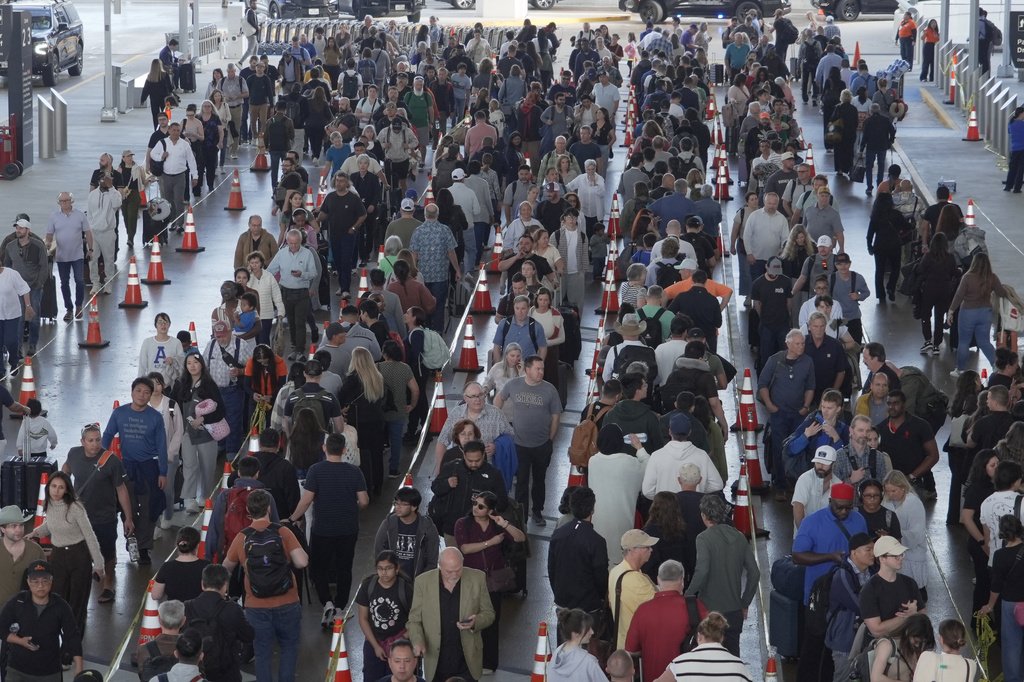
During the height of the funding lapse, the national call-out rate for TSA officers peaked at 12.35 percent on March 27, with some major airports reporting nearly half their workforce absent. The resulting massive security lines at airports nationwide became a visible symbol of the shutdown's impact, increasing pressure on Washington to find a solution, at least for the critical aviation security workforce. Since back pay was initiated for TSA employees, absence rates have declined, falling to 7.98 percent on April 5, though Hartsfield-Jackson Atlanta International Airport still reported a rate of 24.6 percent.
The paycheck warning represents the latest flashpoint in a protracted budgetary standoff that has left essential workers in limbo. The situation underscores the broader political dysfunction in Washington, where funding disputes frequently spill over into the livelihoods of government employees. As partisan divisions remain deep on multiple fronts, the immediate financial security of thousands of DHS personnel hangs in the balance, awaiting congressional action that shows no immediate signs of materializing.