Democratic Fractures Emerge Over Pro-Israel Lobby's Electoral Role
A significant rupture is developing within the Democratic Party as prominent members publicly break with the American Israel Public Affairs Committee (AIPAC) over its increasingly aggressive intervention in primary elections. Once a reliable ally for many Democrats, the pro-Israel lobbying powerhouse now faces open condemnation from governors, senators, and potential presidential contenders who accuse the organization of divisive tactics and aligning with political adversaries.
High-Profile Rebukes Signal Strategic Shift
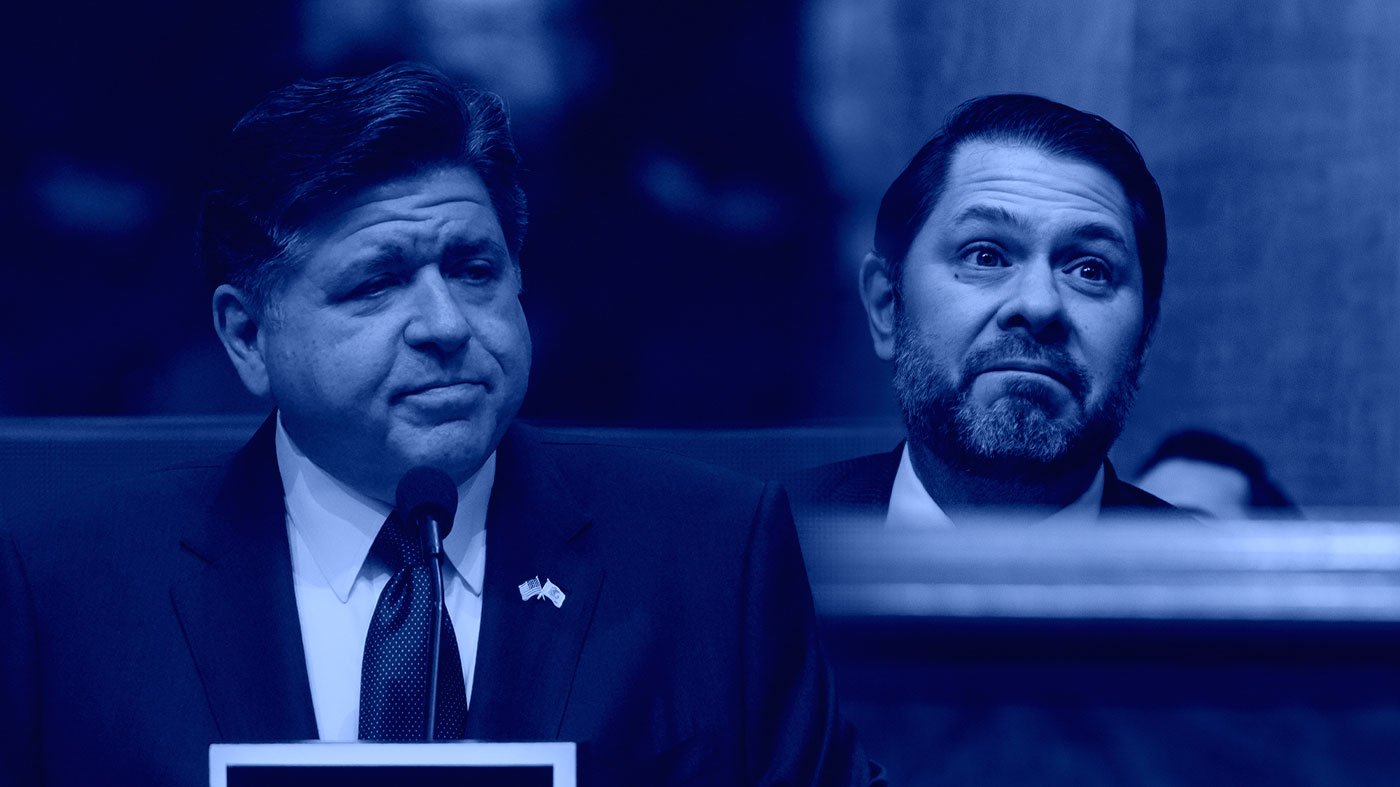
Illinois Governor JB Pritzker, a former donor to the group, delivered a stark assessment following recent primary contests. "It became an organization that was supporting Donald Trump and people who follow Donald Trump," Pritzker told The Associated Press. "AIPAC really is not an organization that I think today I would want any part of." His comments reflect a broader sentiment among Democrats who view AIPAC's electoral strategy as fundamentally at odds with party values.
Senator Ruben Gallego of Arizona, who has previously received support from Jewish advocacy groups, stated unequivocally that he would reject future AIPAC funding. "I think, right now, especially the context of what Israel is doing, I wouldn't take AIPAC money, because you have to basically be endorsing what's happening right now," Gallego explained, referencing the ongoing conflict. This stance echoes that of other potential 2028 presidential candidates, including former Chicago Mayor Rahm Emanuel, who noted his "long, fraught and publicly known antagonistic relationship" with Israeli Prime Minister Benjamin Netanyahu.
Primary Spending Sparks Backlash
The immediate catalyst for this Democratic backlash was AIPAC-aligned groups flooding several Illinois congressional races with outside money during the March primary. Two super PACs linked to AIPAC's United Democracy Project spent heavily to influence safely Democratic House seats, successfully backing two of their four preferred candidates. Patrick Dorton, spokesperson for the super PAC, framed the intervention as a success: "I would say by any measure, we have a more pro-Israel Chicago delegation today than we did before the primary."
However, this electoral maneuvering has drawn sharp criticism from veteran Democrats. Senator Dick Durbin of Illinois expressed bewilderment at the organization's evolution: "I have no doubt that if I would run for reelection, they'd oppose me. I don't know what's happened to that organization." The perception that AIPAC is targeting progressive "Squad" members while supporting candidates aligned with former President Trump has particularly alienated traditional Democratic allies.
Broader Political Context and Public Opinion
This internal Democratic conflict unfolds against a backdrop of shifting American attitudes toward Israel. A recent NBC News poll indicates a dramatic decline in positive views of Israel, from 47 percent in November 2023 to just 32 percent currently. This erosion of public support, coupled with the humanitarian crisis in Gaza following the October 7 Hamas attacks, has created a complex political environment where traditional pro-Israel positions face increasing scrutiny within the Democratic base.
AIPAC has defended its political engagement, arguing on social media platform X that "the orchestrated campaign to single out and demonize pro-Israel Americans, including millions of Democrats who are members of AIPAC, for participating in the political process is wrong and fundamentally undemocratic." The organization maintains that its mission is to support the U.S.-Israel relationship regardless of which governments hold power in either country.
Implications for 2024 and Beyond
The Democratic rejection of AIPAC support carries significant implications for upcoming elections and the party's foreign policy platform. As the American public grows increasingly skeptical of U.S. involvement in Middle Eastern conflicts, Democratic candidates are recalibrating their positions. This tension is not isolated to foreign policy, as the party grapples with broader questions about special interest influence, mirroring debates around other political expenditures like the substantial advertising contracts that have drawn scrutiny elsewhere in politics.
This evolving dynamic also intersects with leadership positioning for future elections. Figures like Pennsylvania Governor Josh Shapiro are navigating this divide by articulating centrist positions on Israel that attempt to bridge party factions. Meanwhile, the ongoing regional violence, including significant civilian casualties in Iran and Lebanon, continues to pressure U.S. policymakers to reevaluate their approach to the Israeli-Palestinian conflict and America's role in the region.