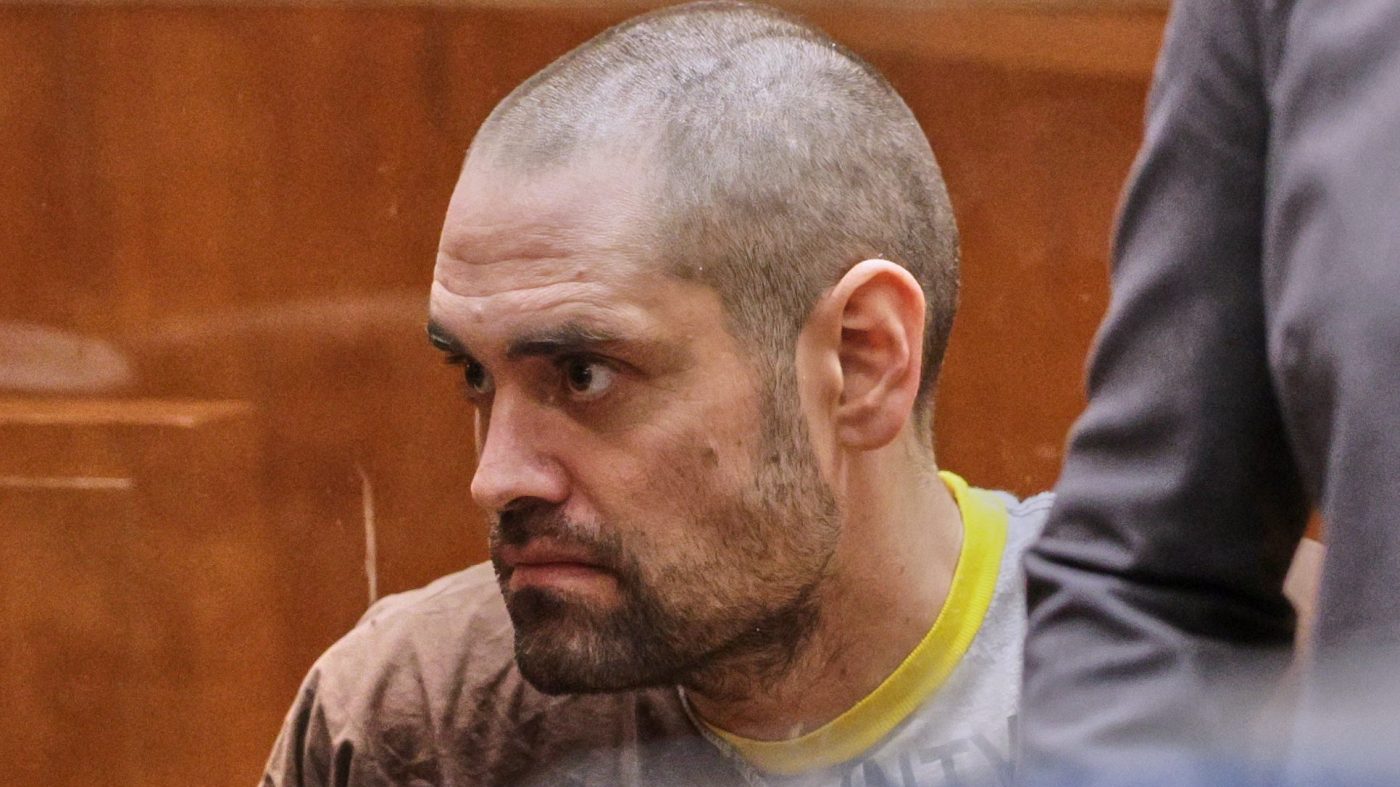
A California judge has postponed a ruling on whether Nick Reiner, the man accused of murdering his parents, Rob and Michele Singer Reiner, can access a trust fund established in his name. The decision, which could significantly impact his ability to pay for legal representation, was pushed to an Oct. 23 hearing after the judge stated he had not had sufficient time to review the objections raised in the case.
Reiner, 32, filed a petition in June through his attorneys, arguing that the trustees managing the fund have "denied" him access "without legal justification." The petition asserts that Reiner needs the money to cover his legal fees as he faces two counts of first-degree murder. His lawyers emphasized that he has only been accused, not convicted, of the killings, and therefore should not be deprived of the funds.
The central legal hurdle is California's "slayer statute," which bars individuals from inheriting from someone they have been found to have intentionally killed. However, Reiner's legal team contends that the statute has not yet been triggered because no conviction has occurred. They argue that until a court determines his guilt, the trust should be accessible.
According to the petition, the trust was structured to distribute half of its assets to Reiner "outright when he turned 30," with the remainder to be released when he turns 35. The filing claims that Reiner never received the distribution he was entitled to at age 30, and that he was informed the trust holds approximately $1.5 million in assets.
The case has drawn widespread attention, not only because of the high-profile nature of the victims—Rob Reiner was a celebrated actor and director, and Michele Singer Reiner was a photographer and producer—but also due to the legal complexities surrounding the trust. The couple was found dead in their California home on Dec. 14, 2025, and Nick Reiner was arrested shortly afterward. He has pleaded not guilty to both murder charges.
If convicted, Reiner could face life in prison without parole or the death penalty. District Attorney Nathan Hochman has stated that his office has not yet decided whether to seek capital punishment, a decision that could hinge on the outcome of the trial and further investigation.
Legal experts note that the trust dispute is separate from the criminal proceedings but could influence them. Without access to funds, Reiner may be forced to rely on public defenders, which could affect the pace and strategy of his defense. The judge's decision to schedule a hearing for late October suggests that the court is weighing the arguments carefully, balancing the legal presumption of innocence against the state's interest in preventing alleged killers from profiting from their crimes.
The case has also sparked broader discussions about trust law and the rights of accused individuals. As public trust in institutions wanes, some observers are questioning whether the slayer statute is being applied prematurely. Others point to the need for judicial restraint, as highlighted in efforts by young officials to rebuild trust in governance.
Meanwhile, the case has taken on a political dimension, with some commentators drawing parallels to other high-profile legal battles involving trust funds and accused individuals. The Reiner family's tragedy has also been linked to broader discussions about mental health and familial violence, though no such issues have been formally raised in court.
As the Oct. 23 hearing approaches, both the prosecution and defense are preparing for what could be a pivotal moment in the case. For now, Nick Reiner remains in custody, and the question of whether he can access his trust fund remains unresolved, leaving his legal team to navigate the complexities of the justice system without the financial resources they have requested.