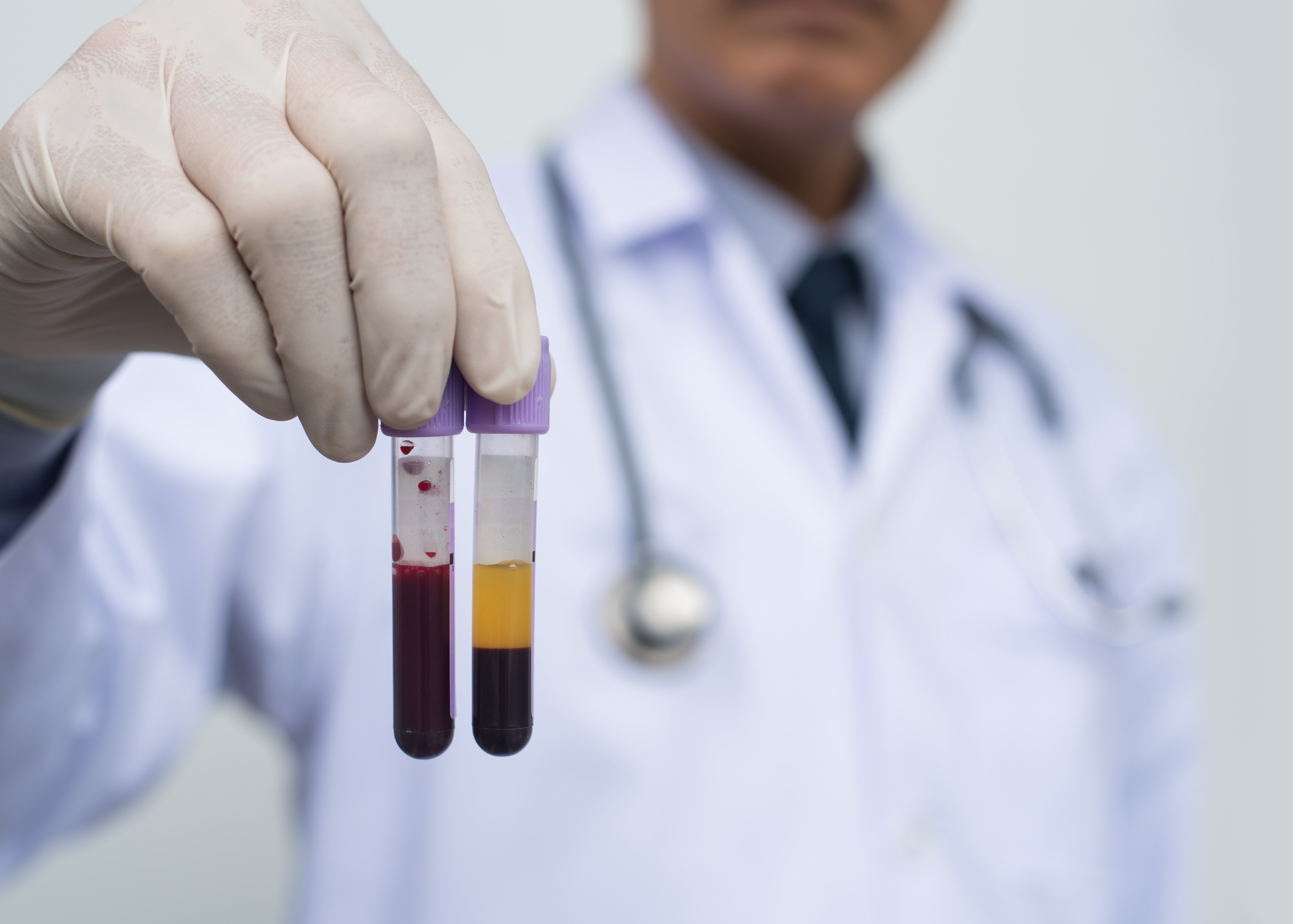
As humanity confronts fresh viral threats—a hantavirus outbreak on a cruise ship and a resurgence of Ebola in Africa—the standard medical playbook reaches for quarantine, isolation, and the long slog of developing new treatments. But there's a therapy already on the shelf: convalescent plasma, drawn from survivors whose bodies have already figured out how to fight these diseases.
When people recover from viral infections, they produce antibodies that can be transferred to others. This approach has been used since the 1918 influenza pandemic, and during the first year of COVID-19, more than 600,000 Americans received convalescent plasma, saving tens of thousands of lives. In 2023, Israel deployed it against a West Nile virus outbreak with promising results. Yet in the current emergencies—where no vaccines or antiviral drugs exist for hantavirus or Ebola—the therapy is rarely mentioned.
Convalescent plasma has been used in past hantavirus and Ebola outbreaks, but often suboptimally. Its efficacy depends on early administration and high antibody content. Historically, emergency conditions and short-lived outbreaks made proper trials impossible. The COVID-19 pandemic, however, lasted long enough to generate dozens of clinical trials that established its value when used early and with adequate antibody levels.
Early studies that tested plasma on late-stage patients gave it a bad reputation—antibodies simply don't work once a patient is critically ill. But subsequent research confirmed its effectiveness, and in 2024, the FDA licensed COVID-19 convalescent plasma for immunosuppressed patients. It remains the only antibody therapy available for COVID.
Despite this record, many medical professionals have a blind spot. Some argue it's hard to deploy in under-resourced areas, yet more than 50 countries—including poor nations—used it during the pandemic. Others cite lack of standardization, but units can be standardized by antibody content. Arturo Casadevall, a Johns Hopkins professor who helped deploy plasma for COVID, suspects the hesitation stems from unfamiliarity: the therapy is used in emergencies and then forgotten.
Convalescent plasma is a public good with no profit motive. The pharmaceutical industry has little incentive to develop or promote it. Instead, its success depends on donors, public health authorities, transfusion services, and physicians willing to use it. Government health agencies, like the FDA during COVID, play a critical role in logistics—collecting, testing, and delivering plasma units.
While physicians rightly demand evidence from randomized trials, such data is never available for new pathogens. But safety and efficacy can be tracked through carefully maintained registries, as the FDA did in summer 2020. A key lesson from COVID: plasma must be given early. Using it on the sickest patients is a mistake. In outpatients, it halved the risk of hospitalization.
Public health authorities can identify survivors, test their plasma for antibodies against hantavirus and Ebola, and freeze units for future use. One survivor can treat three patients. This approach can serve as a bridge until industry develops vaccines, antivirals, or monoclonal antibodies—a strategy that deserves far more attention than it currently receives.