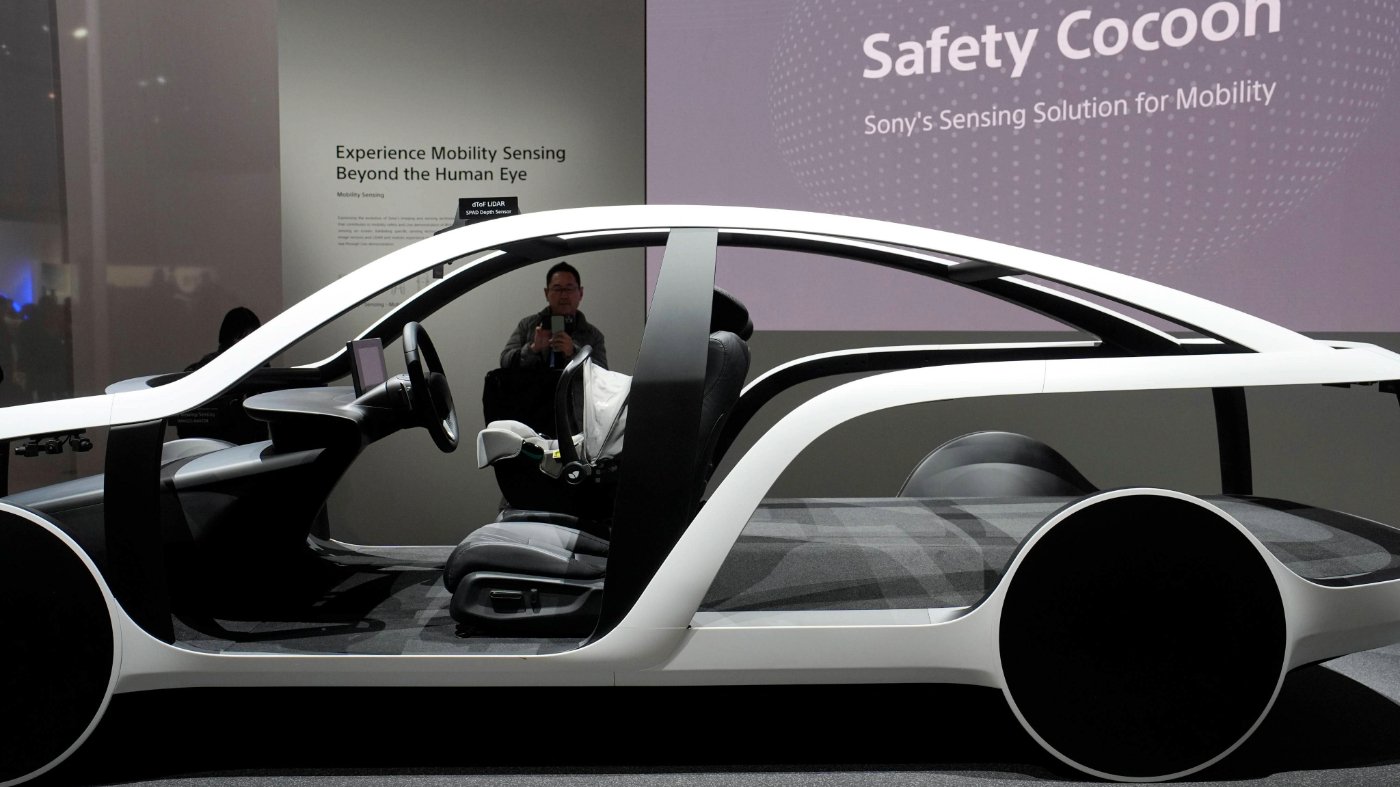
The automobile is undergoing its most transformative shift since Henry Ford introduced the moving assembly line. Today's vehicles are defined less by horsepower and more by the software that links them to the digital world. Modern cars are always connected—receiving over-the-air updates, collecting vast amounts of operational data, and communicating with emergency services after a crash. These advances promise safer roads and new mobility options, but they also open new avenues for cyber intrusion.
Connected vehicles generate and transmit sensitive information, including precise location, driving behavior, and sensor diagnostics. This makes them attractive targets for espionage and cyberattacks. Congress is now grappling with the Connected Vehicle Security Act, which aims to mitigate risks posed by hardware and software from companies linked to foreign adversaries. The concern goes beyond individual privacy; it's about whether foreign governments could exploit vulnerabilities to infiltrate broader transportation and communications networks.

These are legitimate worries. Ignoring the security implications of embedding foreign-controlled software in millions of American vehicles would be a serious mistake. But it's equally important not to overlook the immense benefits of connected technologies for consumers and manufacturers. As vehicles become part of the nation's critical digital infrastructure, the U.S. must respond to the reality that governments have a stake in protecting such technologies—just as China has long done.
The debate, however, is about more than keeping risky tech out. It's about ensuring America stays at the forefront of automotive innovation. Software, artificial intelligence, and digital connectivity are now as vital as engines and steel. Competition hinges on software capability and cybersecurity, not just manufacturing efficiency. In this environment, competitiveness and national security are mutually reinforcing. The U.S. cannot bolster its security by weakening its own auto industry.
Poorly designed regulation could slow innovation, raise costs, and disrupt the deeply integrated North American supply chain built over decades—a chain that is a competitive strength, not a vulnerability. Clear, predictable security standards would give businesses the certainty they need to invest in trusted technologies and resilient supply chains. Just as policy has spurred investment in semiconductors and critical minerals, thoughtful rules can accelerate innovation while reducing long-term risks.
Congress should approach this legislation not merely as a security measure but as a chance to forge a stronger partnership with the automotive industry. Their expertise is crucial for identifying evolving threats and setting realistic standards that can adapt as technology changes. Security goals should be set by the government, but implementation must be collaborative.
Technology evolves too quickly for static laws. This debate should mark the start of an ongoing dialogue—one that protects Americans from genuine threats while preserving the innovation that defines the North American auto sector. The connected vehicle is now a node in America's digital infrastructure, and safeguarding that infrastructure requires an enduring partnership between Congress, industry, and trusted allies. The challenge is not to choose between security and competitiveness, but to recognize they go hand in hand.