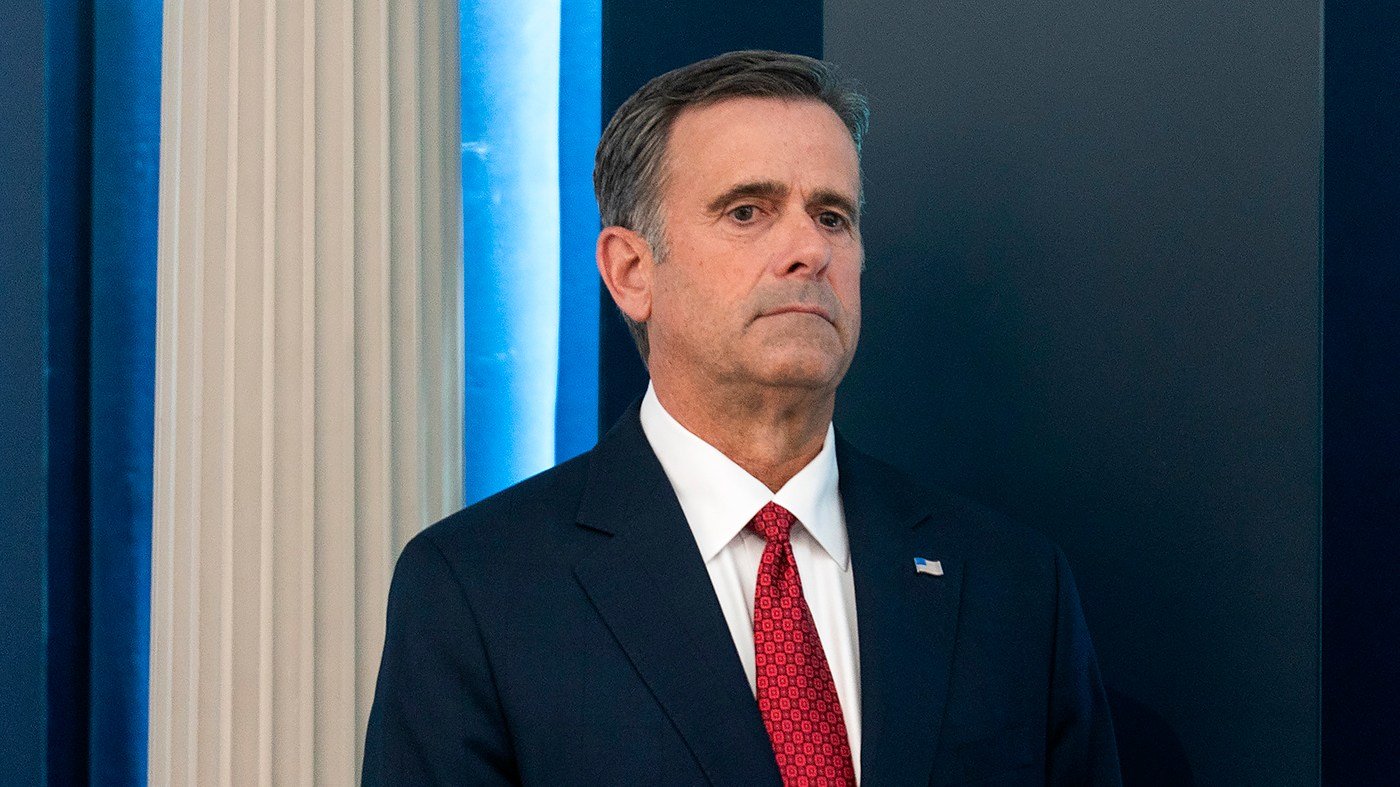
The CIA director's unannounced trip to Moscow this week carried a direct warning to Russian leadership against any military aggression toward NATO allies, according to multiple reports. The visit, the first by a CIA chief since late 2021, comes amid heightened tensions over Russia's ongoing war in Ukraine and its increasingly aggressive posture toward the Western alliance.
President Trump characterized the trip by CIA Director John Ratcliffe as "semi-routine" in an interview Wednesday, seeking to lower expectations of any breakthrough. But the Wall Street Journal, citing sources familiar with the matter, reported that the spy chief's message was firm: any Russian attack on NATO territory would be met with a decisive response.
Baltic Officials Cautious but Vigilant
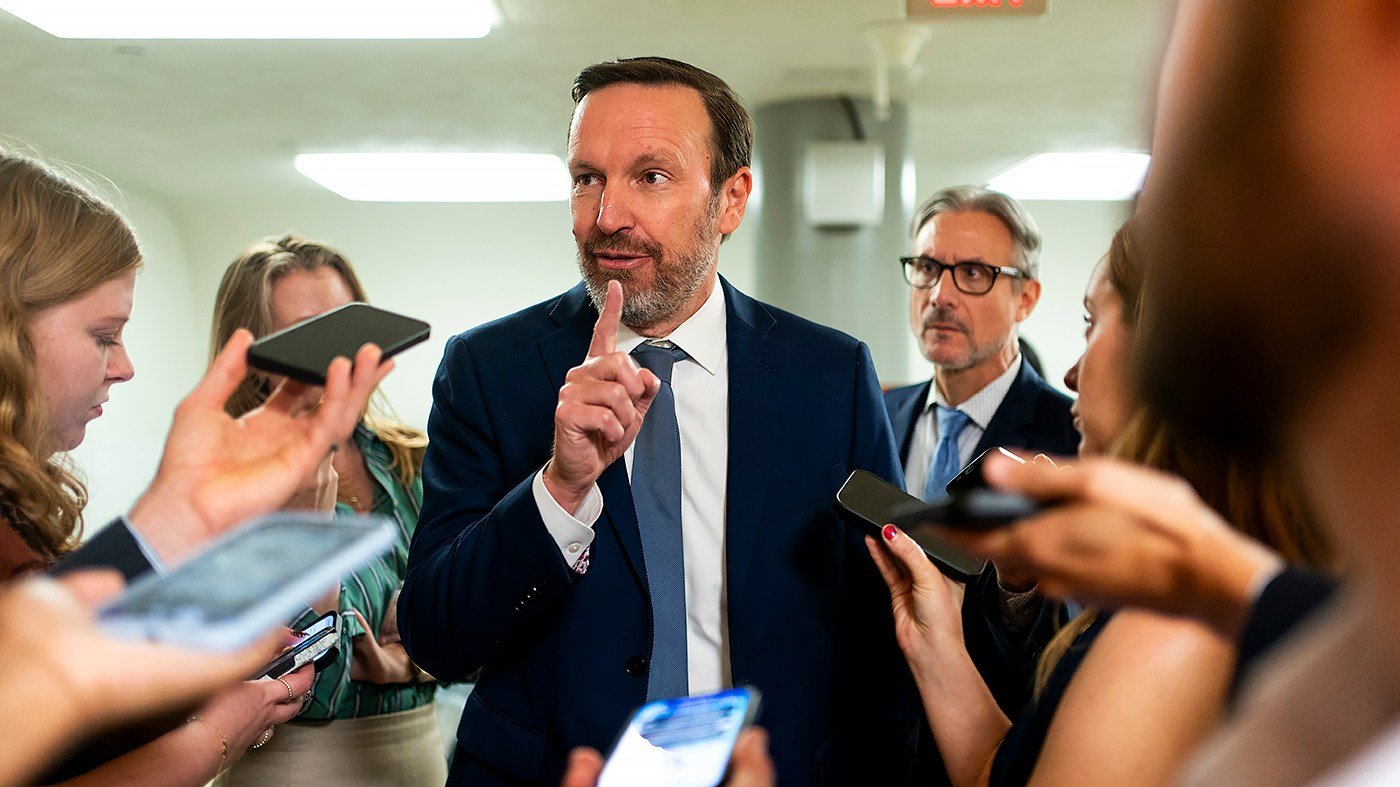
Officials in the Baltic states, which share borders with Russia and its ally Belarus, are publicly downplaying the prospect of an imminent assault. Estonia's Foreign Minister Margus Tsahkna said on X that "Russia's threat and possible provocations against NATO must be taken seriously," but stressed that "Estonia's threat assessment has not changed." He added that "the clearer the message to Moscow that NATO is united and our collective defence remains rock-solid, the better. Russia must have no room to miscalculate."
Latvia's Foreign Minister Baiba Braže echoed that sentiment, noting there are no direct military threats but Russia remains a danger. "Russia's aggression in Ukraine and rising hybrid activities against NATO allies leave no room for complacency," she posted on X. "Together with our NATO allies, we are taking the necessary measures to strengthen our security."
Context of the Visit
The Moscow meeting took place against a backdrop of intensified Russian aerial attacks on Ukraine, with civilian casualties rising. At the same time, Kyiv has gained momentum in the four-and-a-half-year war by striking deeper into Russian territory and targeting military assets in occupied Crimea. The Journal previously reported that U.S. intelligence assessed Putin might attempt a limited assault on an allied nation within the next few years to test NATO's resolve.
Russian drone and missile incursions into NATO airspace have escalated this year, though they are generally seen as indirect and not direct provocations. A European official told The Hill that the U.S. briefed allies on the Moscow talks, which focused on Ukraine, and that there is no imminent military threat to NATO.
Russian Foreign Intelligence Service Director Sergey Naryshkin confirmed he met with Ratcliffe, describing the talks as "regular" in comments carried by state media, echoing Trump's attempt to downplay the significance of the face-to-face encounter.
Peace Efforts and Military Aid
Trump, in his Wednesday interview, said the U.S. is trying to end the war in Ukraine and that "something may come out of" Ratcliffe's meeting. The administration has sought to position itself as a neutral intermediary, with increased outreach to Putin and a scaling back of support for Kyiv.
Ukrainian President Volodymyr Zelensky, during a meeting with Trump last month, pressed for the president to send his top envoys—son-in-law Jared Kushner and business associate Steve Witkoff—to Kyiv to jumpstart negotiations. Ukraine is also urgently requesting more air defenses, particularly U.S.-made Patriot interceptor missiles, which are the only effective shield against Russian ballistic missile attacks.
As diplomatic efforts continue, the CIA director's warning underscores the fragile state of European security. While Baltic officials maintain that the immediate threat level is unchanged, the combination of Russia's hybrid warfare, its relentless assault on Ukraine, and the possibility of miscalculation keeps NATO on high alert.