The United States is locked in a global contest for critical minerals, but the most important front may not be in the Pacific. According to analysts Duncan Wood and Jack Wood Slavin, the path to a secure supply chain runs through Canada, a partner with the resources, infrastructure, and strategic alignment Washington cannot afford to ignore.
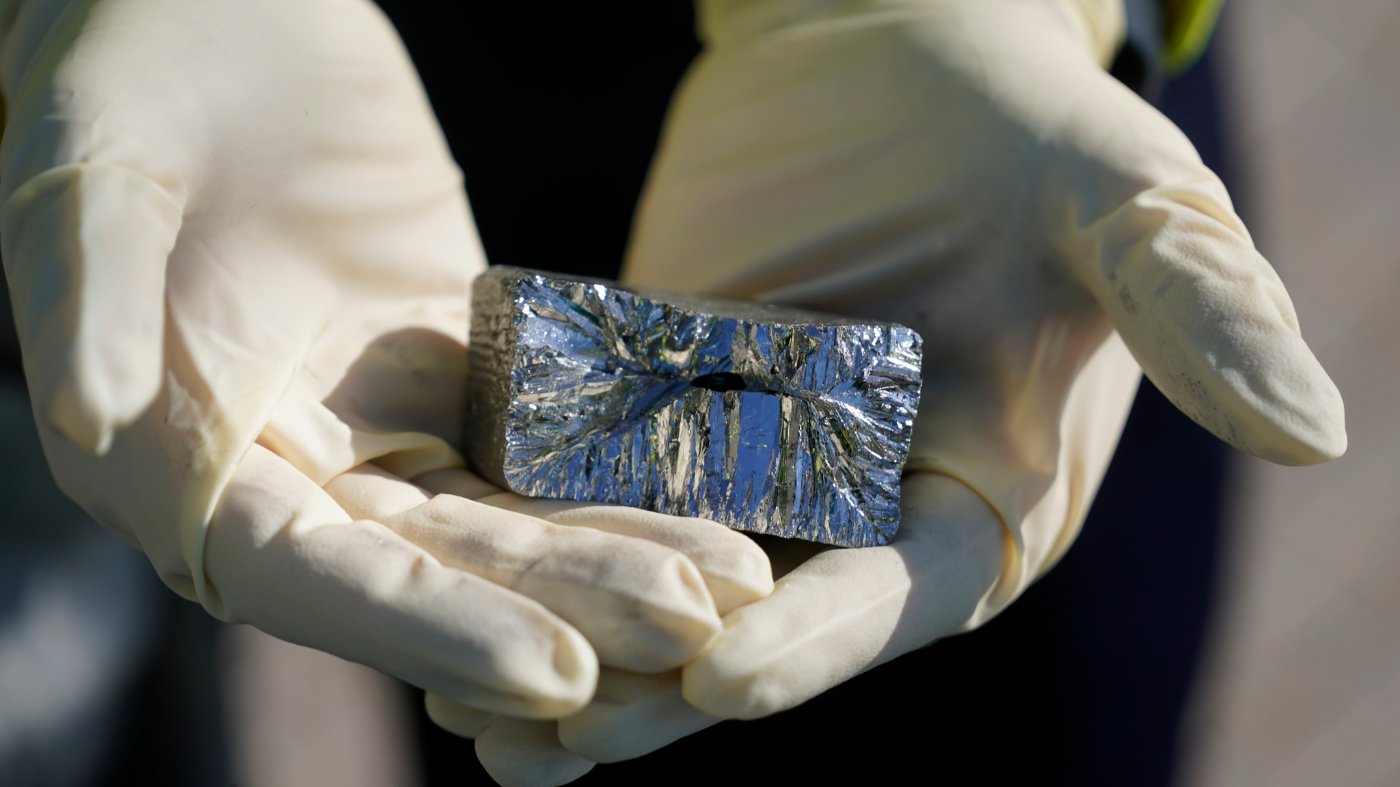
Critical minerals underpin everything from batteries and semiconductors to defense systems and electric motors. While the U.S. can boost domestic mining, no realistic plan relies solely on homegrown production. Supply chains are too sprawling, capital requirements too steep, and timelines too long for a go-it-alone approach.

Canada holds significant deposits of nickel, cobalt, graphite, lithium, copper, rare earths, uranium, and other minerals vital to U.S. industry. Its national critical minerals strategy focuses not just on extraction but on processing, manufacturing, recycling, and partnerships with Indigenous communities and provinces. Crucially, Canada offers reliable electricity, abundant water, transport corridors, and environmental credibility—advantages many alternative suppliers lack.
The logic is clearest in the auto sector, as the shift to electric vehicles accelerates. A battery plant in Michigan, an assembly line in Ontario, a nickel mine in Manitoba, and a processing hub in the Midwest are not separate national projects. They are components of a single continental strategy, the authors argue.
Defense and advanced manufacturing follow the same logic. The 2020 U.S.-Canada Joint Action Plan on Critical Minerals Collaboration recognized shared interests in secure supply chains for aerospace, communications, and clean technology. That framework is even more urgent now, as the U.S. defense industrial base cannot depend on processing capacity controlled by strategic competitors.
There are already models for deeper cooperation. Joint support for the Mactung tungsten project in the Yukon shows how Washington and Ottawa can guide strategically important projects through the difficult pre-construction phase. Many critical minerals projects fail during this 'orphan period' before private capital commits. Smart public financing can crowd in investment where the strategic case is strong, the analysts note.
But Canada must also reform. Its permitting system is too slow, and infrastructure gaps persist, though the creation of a federal Major Projects Office signals progress. Indigenous consultation must be central to project design, not an afterthought. Regulatory reform should aim to speed high-standard projects, not lower them. A system that takes a decade to approve a mine is incompatible with geopolitical competition and the energy transition.
The United States has its own work to do. Washington must treat Canadian minerals and processing as part of a shared defense and industrial base, using tools like the Defense Production Act, Export-Import Bank loans, offtake agreements, and joint research funding. Aligning standards, reducing duplication, and leveraging the United States-Mexico-Canada Agreement to strengthen the continental economy are also essential.
Most urgently, the diplomatic relationship needs repair. Recent turmoil, including tariff threats and the questioning of long-standing North American partnership assumptions, has damaged trust. Critical minerals projects require billions of dollars and patient capital. Investors will not commit if they fear political volatility can turn an ally into a target.
Rebuilding trust with Canada is a strategic necessity. The United States cannot mine, process, and manufacture every input at home at the required scale and speed. What it can do is build a secure North American platform with a partner that shares its geography, industrial base, and strategic interests. Canada is not a substitute for U.S. ambition—it is a force multiplier. The critical minerals race will not be won by dreams of self-sufficiency, but by building trusted supply chains that work. That means recognizing a simple reality: America's critical minerals strategy runs through Canada.