The World Health Organization declared Wednesday that a rare strain of Ebola spreading in the Democratic Republic of Congo and Uganda presents a low risk to the global population, even as frontline health workers describe being dangerously underprepared for an outbreak that has already killed over 130 people and has no approved treatment or vaccine.
The assessment came as Dr. Anne Ancia, head of the WHO team in Congo, warned that the outbreak could last at least two more months. The WHO has labeled the situation a public health emergency of international concern, citing its alarming scale and speed of transmission. The rare Bundibugyo virus, a less common type of Ebola, went undetected for weeks after the first known death in April, as health authorities initially tested for the more prevalent Zaire strain and got negative results.
So far, 51 cases have been confirmed in Congo’s Ituri and North Kivu provinces, with two additional cases in Uganda, WHO Director-General Tedros Adhanom Ghebreyesus said Wednesday. Beyond those confirmed cases, there are 139 suspected deaths and nearly 600 suspected cases. “We know that the scale of the epidemic is much larger,” Tedros said. “We expect those numbers to keep increasing.”
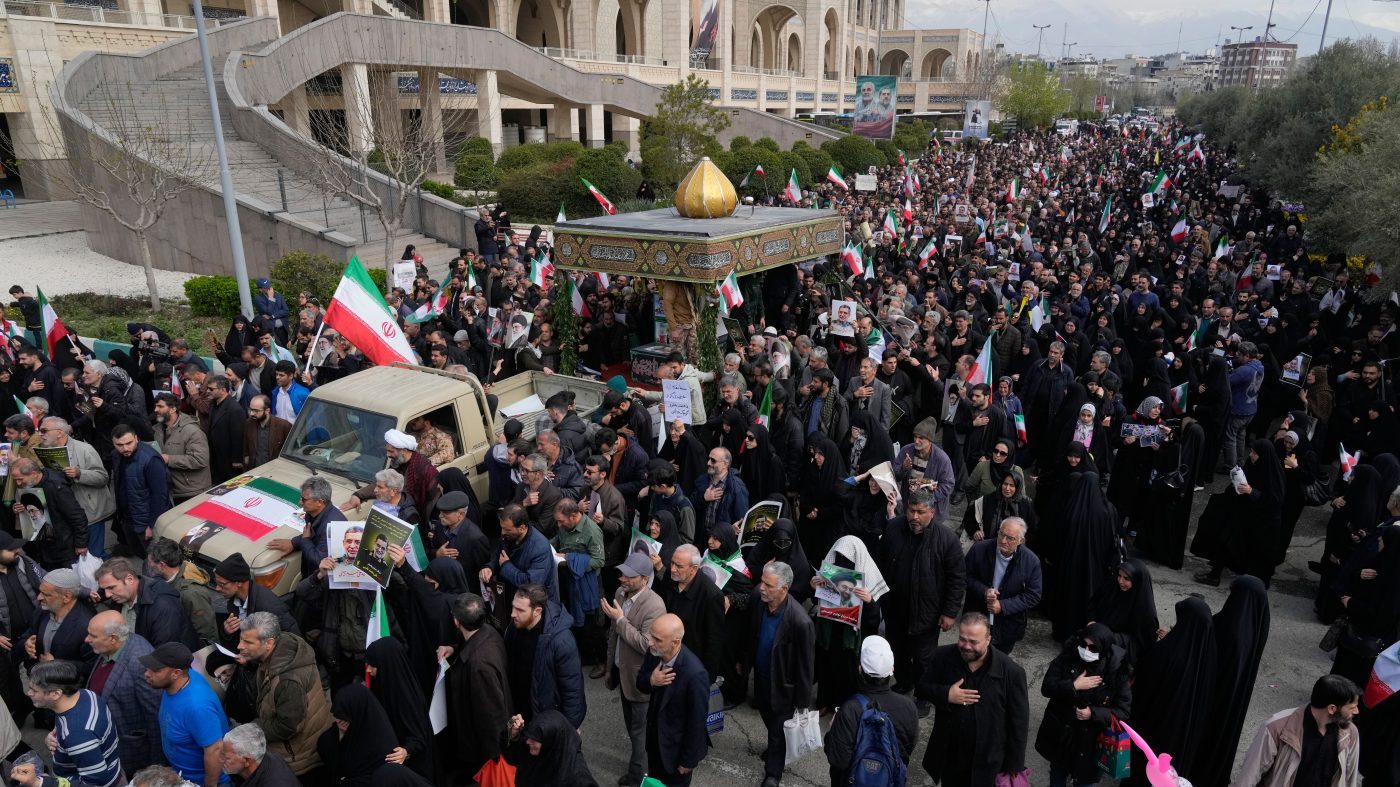
In Bunia, the city where the first death occurred, schools and churches remain open, but residents say masks and disinfectants are becoming scarce and expensive. Justin Ndasi, a local resident, told the Associated Press, “It’s truly sad and painful because we’ve already been through a security crisis, and now Ebola is here too.”
Trish Newport, emergency program manager for Doctors Without Borders, reported on social media that her team identified suspected cases at Salama hospital in Bunia, which lacks an isolation ward. “The team called around to other health facilities to see if they had isolations,” she said. “Every health facility they called said, ‘We’re full of suspect cases. We don’t have any space.’ This gives you a vision of how crazy it is right now.”
In Mongbwalu, the epicenter of the outbreak, the border with Uganda remains open and gold mining continues, complicating containment efforts. Chérubin Kuku Ndilawa, a local civil society leader, said there is no panic but noted that public handwashing stations are absent. Dr. Richard Lokudu, medical director of Mongbwalu General Hospital, warned, “The challenge is that the staff are not trained to handle suspected cases. We are also understaffed. … We have no protection.” Dr. Didier Pay, a physician at the same hospital, said the clinic was treating around 30 Ebola patients and a student from a local medical institute died Wednesday morning.
An American national who tested positive for the virus arrived in Berlin on Wednesday for treatment in a specialized isolation unit. German Health Ministry spokesperson Martin Elsässer confirmed a comprehensive examination was underway but declined to comment on the patient’s condition. Separately, the Christian aid organization Serge identified one of its doctors, American medical missionary Dr. Peter Stafford, as having been evacuated from Congo after developing Ebola symptoms.
Health experts point to delayed detection and large population movements in a region already facing a humanitarian crisis as key factors driving the outbreak. Congo’s Health Minister Samuel Roger Kamba said the first death occurred on April 24 in Bunia, but confirmation took weeks. The body was repatriated to Mongbwalu, a mining area with a large population. “That caused the Ebola outbreak to escalate,” Kamba said. Dr. Ancia noted that authorities have yet to identify “patient zero” and that funding cuts have had a marked detrimental effect on humanitarian actors.
The United States has contributed $13 million to the response, and Secretary of State Marco Rubio said Tuesday that the Trump administration would “lean into” efforts, prioritizing funding for 50 emergency clinics in affected areas. Meanwhile, Congo expects shipments of an experimental vaccine from the U.S. and Britain, developed by Oxford researchers, according to virus expert Jean-Jacques Muyembe. “We will administer the vaccine and see who develops the disease,” he said.