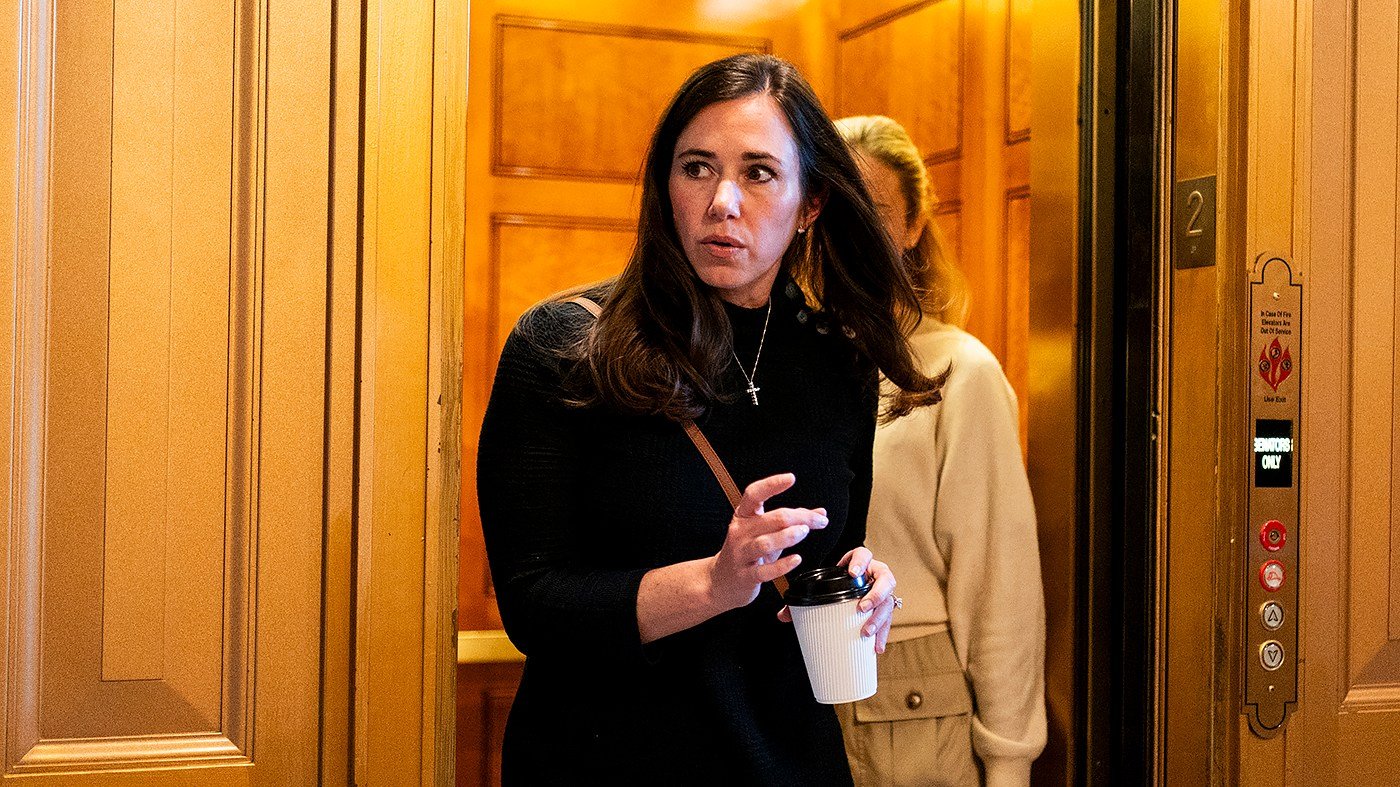
Sen. Katie Britt (R-Ala.) on Wednesday unveiled a bill that would establish a new White House office focused on combating financial fraud and scams, a move that comes as federal data shows a surge in reported losses to imposters.
The proposal, introduced in the Senate, calls for creating a National Office for Scam and Fraud Prevention within the executive branch. According to Britt's office, the office would be tasked with developing a comprehensive national strategy and strengthening coordination among federal agencies, financial institutions, and technology companies to prevent fraud and scams.

The office would also promote timely intelligence sharing across the public and private sectors and improve assistance for victims of financial fraud, the senator's office said.
The Federal Trade Commission reported in June that individuals lost $3.5 billion to imposter scams in 2025, nearly three times the amount lost in 2020. That statistic underscores the urgency of a coordinated federal response, Britt said.
“Americans should not have to worry that one fraudulent call, text, or online message could cost them their life savings,” Britt said in a statement. “The federal government needs a coordinated approach to this problem.”
The Alabama Republican added, “This effort is about bringing everyone to the table and making sure our response keeps pace with the criminals who are exploiting new technologies and gaps between sectors. When we work together to identify threats earlier and share information more effectively, we can better protect American families and businesses.”
Britt’s legislation has drawn support from major industry groups, including the American Bankers Association, the Community Bankers of America, and the Financial Services Forum. The backing signals that financial institutions, which often bear the brunt of fraud losses, are eager for a more unified approach.
Nearly three-quarters of American adults reported experiencing an online scam or attack, such as credit card fraud or shopping scams, according to a Pew Research Center survey last year. That widespread exposure highlights the need for a stronger federal response, Britt noted.
Britt, who serves on the Senate Appropriations and Banking committees, has also co-sponsored a separate bill that would allow state, local, and tribal authorities to use federal grant funds to crack down on scams targeting the elderly. That measure aligns with her broader push to protect vulnerable populations.
The House passed the bipartisan GUARD Act in September, sending it to the Senate, where it awaits action. Senators are scheduled to be in session this week and during the first three weeks of December before their holiday recess, leaving a narrow window for consideration.
As the legislative calendar tightens, Britt’s proposal adds to a growing list of fraud-related measures pending in Congress. The outcome remains uncertain, but the senator’s push reflects a bipartisan concern about the rising toll of financial scams on American households.