Reality Television Figures Take Policy Advocacy to Capitol Hill
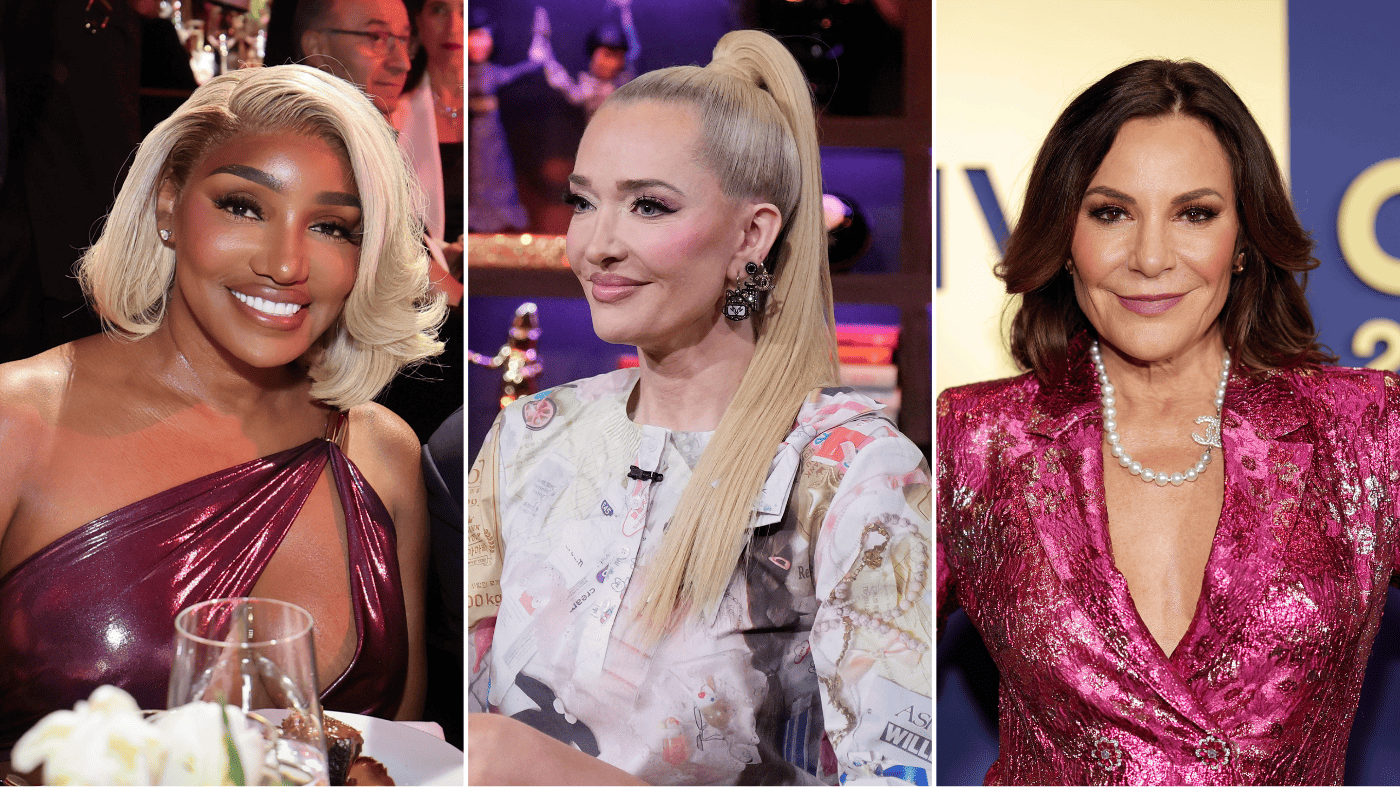
A delegation of prominent figures from Bravo's "Real Housewives" franchise is scheduled to meet with congressional lawmakers this week, shifting focus from televised drama to healthcare policy. The group, which includes Nene Leakes, Erika Jayne, Luann de Lesseps, Phaedra Parks, Melissa Gorga, Candiace Dillard Bassett, and Marysol Patton, will convene at the Russell Senate Office Building on Wednesday.
Their stated objective is to advocate for policies that expand access to HIV prevention and treatment services across the United States. The event, organized by the telehealth platform MISTR and branded as "Housewives on the Hill," will feature personal testimonies from the participants about the impact of HIV on various communities.

A Pattern of Celebrity Policy Engagement
This visit represents a continuation of a trend where reality television personalities leverage their public platforms for political advocacy. It follows other instances where cast members have engaged directly with federal lawmakers. Earlier this year, Angie Katsanevas from "The Real Housewives of Salt Lake City" provided testimony before the House Small Business Committee during a hearing examining franchising regulations.
In a previous example of such advocacy, former "Real Housewives of Beverly Hills" star Lisa Vanderpump participated in a 2016 congressional briefing aimed at raising awareness about the global dog meat trade. These engagements highlight an ongoing intersection between celebrity influence and legislative processes, a dynamic that sometimes raises questions about how media narratives can intersect with political scrutiny.
Focus on Public Health Infrastructure
The advocacy day centers on a critical public health issue, seeking to direct attention and resources toward HIV prevention. The participants are expected to discuss barriers to treatment and the importance of telehealth services in expanding reach. This push for healthcare funding occurs within a broader political context where departmental budgets are frequently contested, similar to recent debates where administrative figures have signaled flexibility on funding allocations for specific agencies.
Public health advocacy by non-traditional political figures can draw significant media attention to specific issues. However, it also operates alongside more conventional policy disputes and administrative actions within federal health agencies, which occasionally face internal challenges, as seen when HHS personnel engaged in unconventional protests over departmental policies.
Context and Implications
The involvement of high-profile entertainment figures in policy advocacy creates a unique dynamic on Capitol Hill, blending pop culture visibility with legislative lobbying. While the immediate goal is to influence discussions around HIV funding, the event also reflects the evolving nature of political engagement and the strategies used by advocacy groups to capture legislative attention.
As Congress addresses a wide range of domestic and international priorities, from skepticism over foreign policy negotiations to debates over security appropriations, targeted advocacy days like this one aim to ensure specific health issues remain on the legislative agenda. The outcome of such efforts often depends on their ability to translate visibility into substantive policy conversations among lawmakers responsible for appropriations and public health legislation.