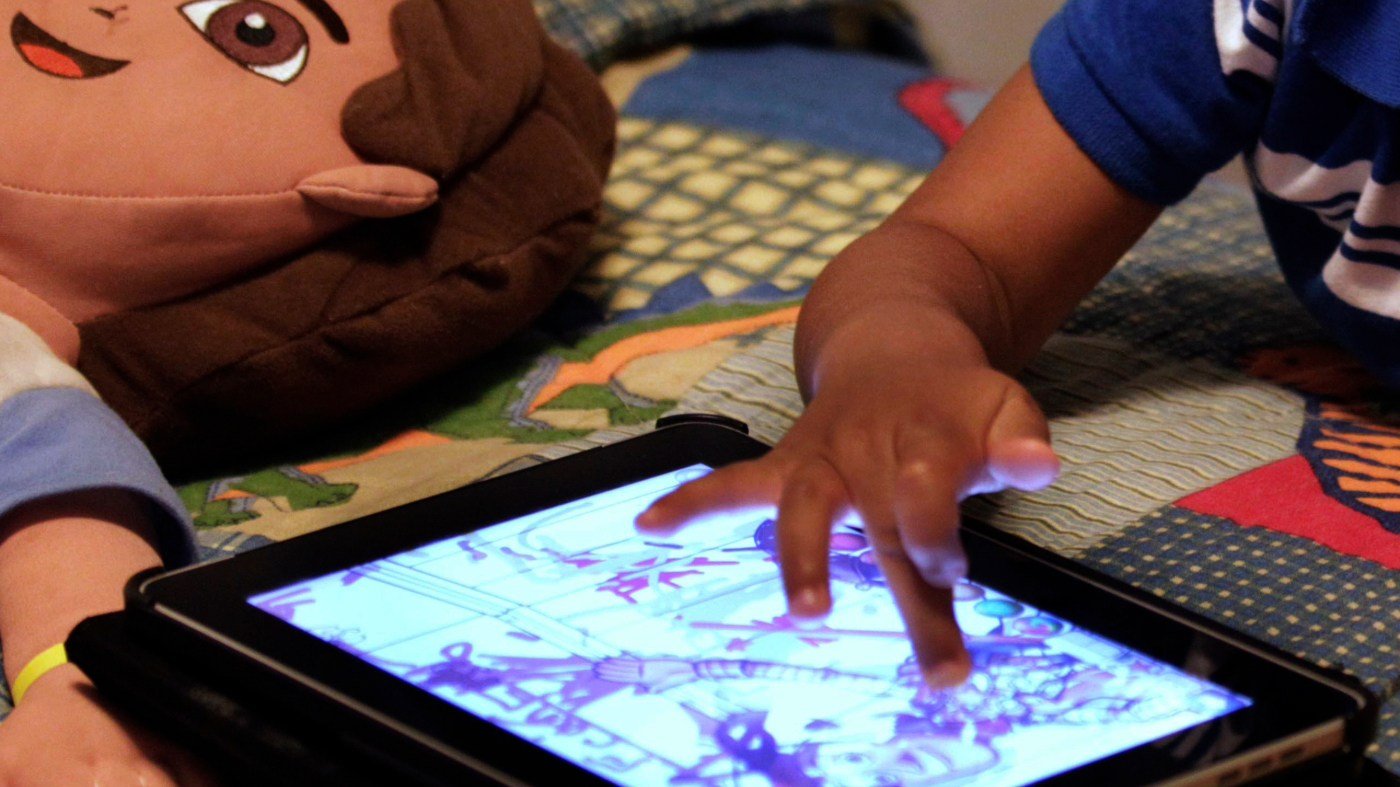
Angela Santomero, the Emmy and Peabody Award-winning co-creator of Blue's Clues and creator of Daniel Tiger's Neighborhood, is raising alarms about the direction of children's media. In a candid critique, she argues that much of today's content for kids is little more than "candy"—designed to keep eyes glued to screens without offering any lasting educational or emotional value.
Santomero's concern stems from her decades of experience in children's television, where she built shows on rigorous formative research and curricula. Blue's Clues was rooted in kindergarten readiness, Super Why! in literacy, and Daniel Tiger in social-emotional skills. Each series was crafted with teams of educators, researchers, and artists who debated every detail, from vocabulary to pacing, to ensure children were genuinely engaged.

Today, however, Santomero sees a landscape where algorithms often dictate what children watch next. "The algorithm knows what keeps kids watching," she writes, "but it doesn't know whether they felt calmer, kinder, more curious, or more confident afterward." This shift, she warns, prioritizes screen time over meaningful interaction.
She draws a sharp distinction between holding a child's attention and engaging them. Flashy images, rapid cuts, and loud sounds may make it hard for a child to look away, but that doesn't mean the content is beneficial. "Sometimes it simply means the content has been designed to make looking away difficult," she notes.
Santomero urges parents to ask critical questions: How does my child act after watching? Does the program inspire play or conversation? Is it inviting them to think, or just encouraging them to keep watching? She emphasizes that the answers matter more than whether a show labels itself "educational."
This debate comes as political divisions over education funding and voter trust on key issues underscore the broader stakes of how children are raised and informed. Santomero's message resonates with a growing movement of parents and experts calling for higher standards in kids' media.
She remains optimistic about media's potential as a teaching tool, but insists that "technology should serve children—not the other way around." Her latest projects, including the book Bunny Lala's Big Song, continue to reflect her commitment to content that leaves something behind after the screen goes dark.
As streaming platforms and viral videos dominate, Santomero's warning is a reminder that quality children's programming requires intentionality—and that the cost of neglecting it is measured not in ratings, but in the development of young minds.