The debate over data center construction has intensified, with some lawmakers and community groups pushing for moratoriums on new projects. But a coalition of industry and labor leaders warns that a blanket ban would do more harm than good, raising costs for families and businesses while failing to address the underlying concerns about energy and water use.
Data centers are the backbone of modern life, handling everything from text messages and hospital records to streaming services and bank transactions. The push for moratoriums, such as the one recently announced in New York, is driven by worries about grid strain, energy costs, and water consumption. While these are legitimate issues, a one-size-fits-all approach would strip local communities of the ability to weigh the benefits of specific projects against their drawbacks.

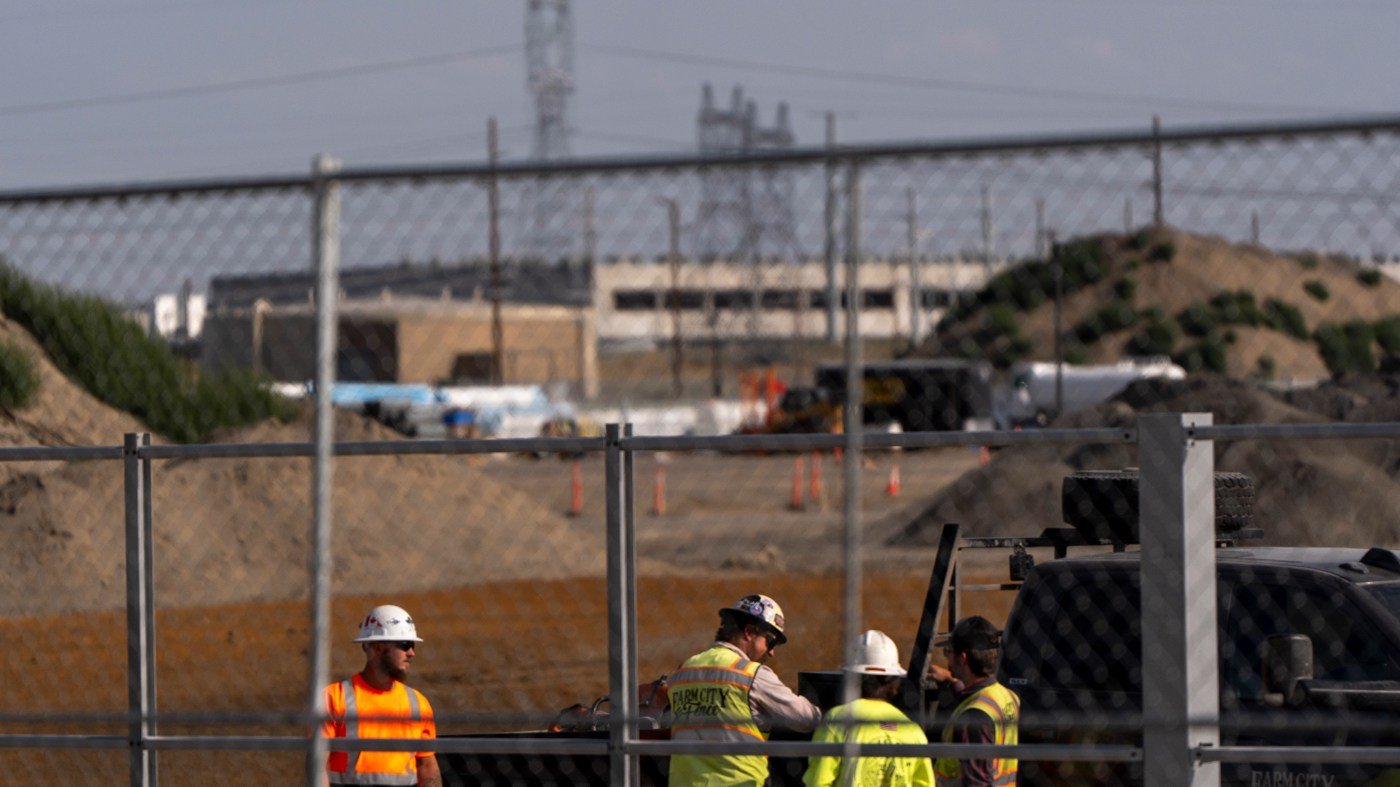
According to the Data Center Coalition and the United Association, a blanket moratorium would eliminate the economic gains that communities are relying on, without solving the underlying problems. It would also undercut the tens of thousands of workers who build, maintain, and operate these facilities. The construction of data centers has become a major source of good-paying union jobs, with the United Association's members holding over 90 percent of the U.S. data center construction market.
Proponents of moratoriums argue they protect ratepayers, but research suggests otherwise. States with heavy data center presence, like Texas and Virginia, have seen lower utility rates, not higher ones. When large customers share the fixed costs of grid infrastructure, they can help reduce the burden on other ratepayers. Moreover, the country needs significant investment in energy infrastructure regardless of data center growth, and policymakers should be seeking ways to attract private investment rather than driving it overseas.
The economic stakes are enormous. In 2024, U.S. data centers supported 5.5 million jobs and generated $204 billion in tax revenue, which helps fund schools, roads, and public safety. A national moratorium would erase hundreds of thousands of high-wage jobs and drain billions in local tax revenue, ultimately making life less affordable for American families.
Instead of blanket bans, the coalition advocates for targeted solutions that force big tech to pay its fair share. For example, more than 100 large load tariffs have been approved or proposed across 37 states to protect residential consumers from shouldering the costs of expanded energy needs. The industry is also investing in water-saving technologies, such as cooling systems that use little or no water, and is co-investing in regional water reuse infrastructure.
Labor and industry leaders argue that the focus should be on working together to build responsibly, not halting progress. They point to historical parallels: rail, electricity, automobiles, and the internet all arrived with questions, but the answer was never to stop building. It was to adapt and innovate.
As the political debate heats up, with some lawmakers like Burchett hitting back at Trump's data center jab, the industry is pushing back against the bipartisan backlash. The message is clear: moratoriums are a blunt instrument that would do more harm than good. The better path is to address concerns with targeted policies that protect consumers while allowing the digital economy to grow.