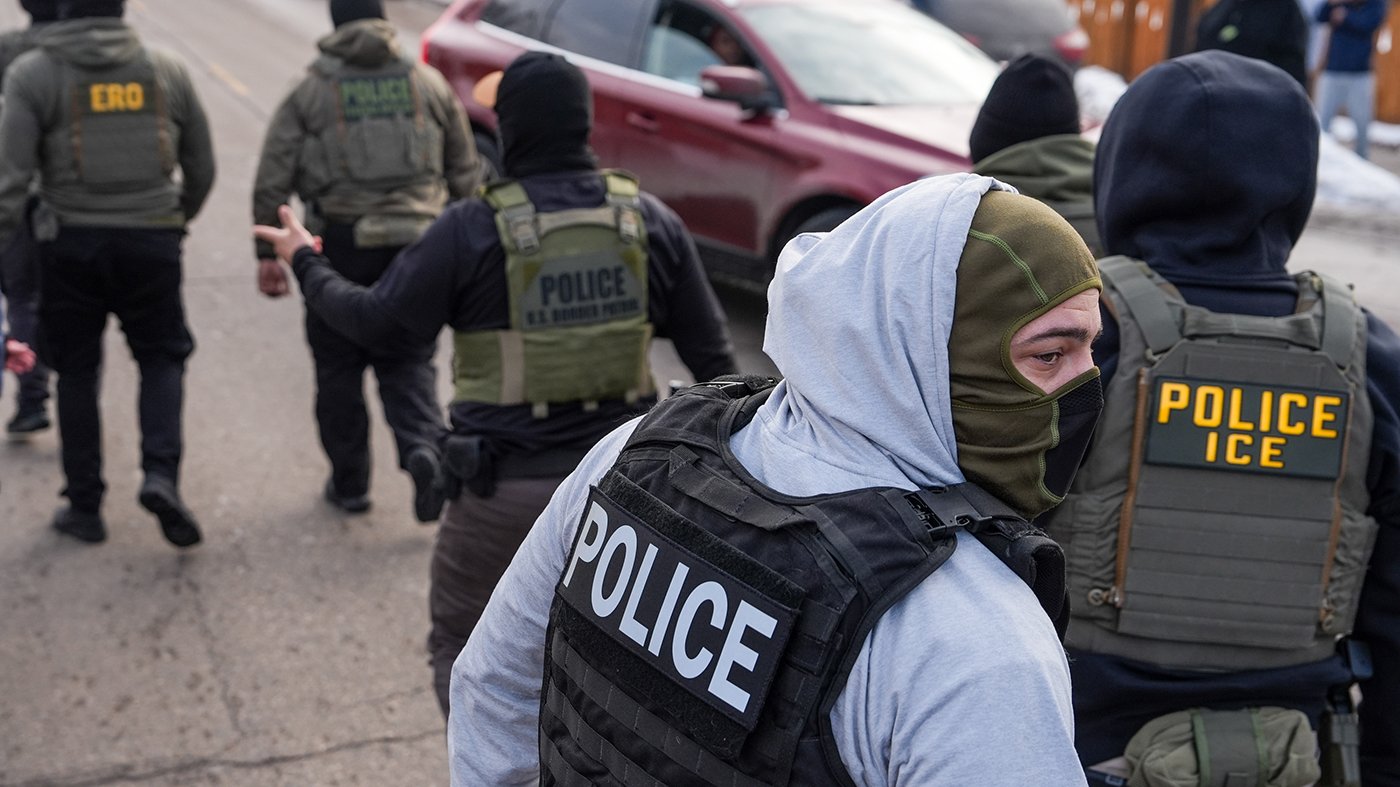
A Democratic legislative effort to prohibit federal immigration officers from wearing face masks during operations has exposed deep historical wounds, with senior Black lawmakers explicitly linking the policy to America's legacy of racial terror. The proposed ban, now a central obstacle to reopening the Department of Homeland Security after a seven-week partial shutdown, is framed by its proponents not merely as a procedural reform but as a moral imperative against state-sanctioned anonymity.
A Generational Memory of Masked Menace
For members of the Congressional Black Caucus, particularly those who came of age in the Jim Crow South, the image of a masked law enforcement officer evokes specific and chilling historical parallels. "I grew up in a situation where I have seen masked people," said Representative Emanuel Cleaver, the 81-year-old Missouri Democrat and former CBC chairman. "A white guy jumps out of the car with a mask on, I mean, my first reaction is self defense."
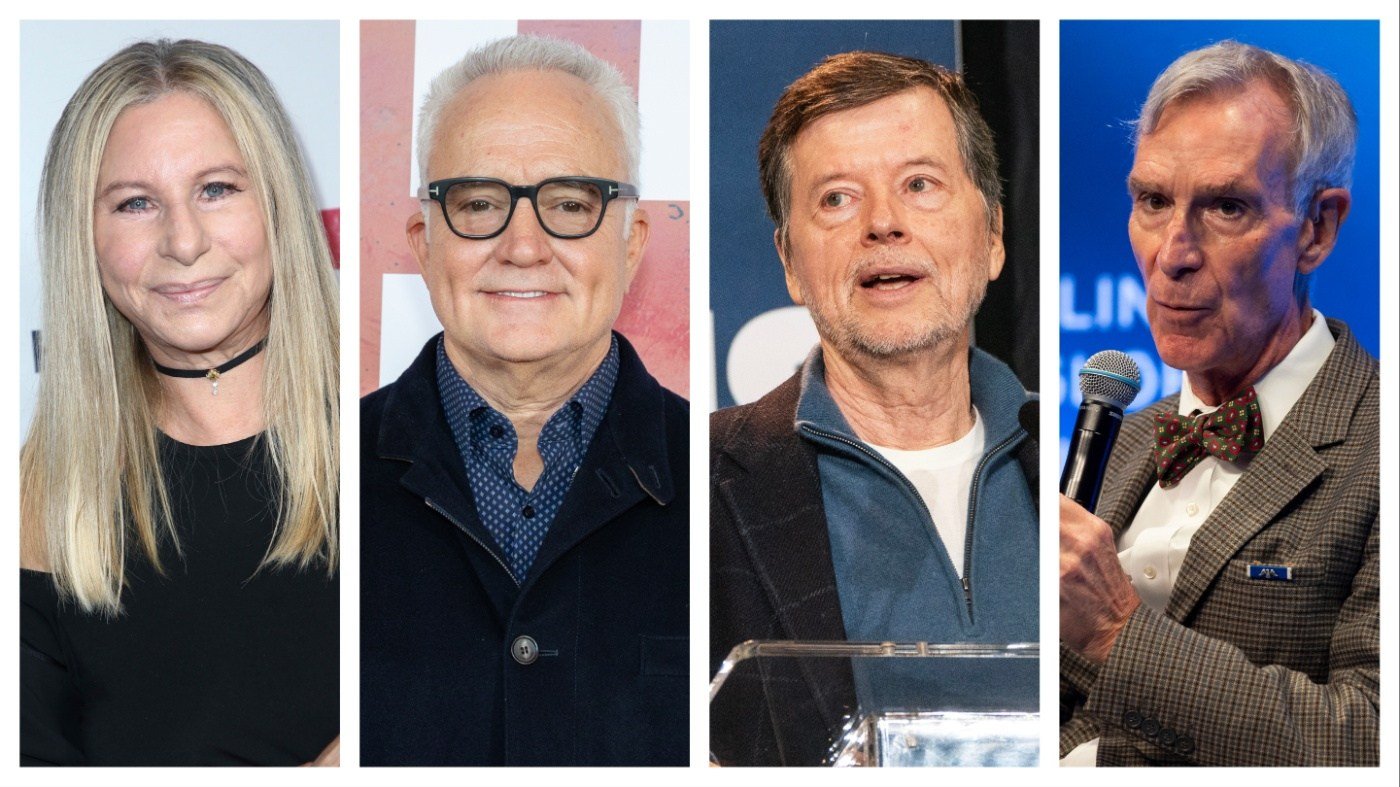
Representative Danny Davis, 84, of Illinois recounted a similar upbringing in rural Arkansas, where masks were solely the province of those intending mischief. "The only reason you wouldn't want to be identified is that you are up to no good," Davis stated, arguing the logic of concealment remains deeply suspect. "If you're doing what is acceptable, you don't mind people knowing that you're doing it, even if you're law enforcement."
Catalyst: Fatal Shootings in Minnesota
The political clash was ignited by two fatal shootings involving masked federal agents in Minneapolis earlier this year. In January, an Immigration and Customs Enforcement officer shot and killed Renée Good, a 37-year-old mother, during a protest. Weeks later, Customs and Border Protection agents shot Alex Pretti, a 37-year-old VA nurse who was filming enforcement actions. In both incidents, the officers who fired were wearing masks that obscured their identities.
Democrats, including Representative Glenn Ivey of Maryland, contend the masks foster a culture of impunity. "I think they feel like there's no repercussions because nobody knows who they are," said Ivey, a former prosecutor who draws a direct line from the hoods of the Ku Klux Klan to the tactical masks of today. "The logic behind the masks for the Klan is the same as the logic behind the masks now, which is to hide an identity. And if you're on the good guys side, that's not what you should be doing."
Administration Pushback and a Wider Political Stalemate
The Trump administration has vigorously defended the practice. Officials, including White House border coordinator Tom Homan, argue that ICE and CBP personnel are targeted by intense hostility and that masks are necessary to protect them from doxxing and physical retaliation. "If you want ICE to take the masks off, the threat level has to decrease," Homan asserted in a recent interview, calling on critics to stop inflammatory rhetoric.
This standoff over masks is one of several Democratic demands—including expanded body camera use and restrictions on raids—that have stalled a funding deal for DHS, creating the longest partial government shutdown in U.S. history. While the White House has offered some concessions in a letter to the Senate, the mask ban remains a non-negotiable item for many Democrats. This internal party focus on specific enforcement policies comes as some analysts warn that a narrow agenda could carry political risks without a unifying broader vision.
The debate unfolds against a volatile political backdrop where law enforcement accountability remains a flashpoint, as seen in other recent judicial developments like the dismissal of federal charges against officers in the Breonna Taylor case. For the Congressional Black Caucus, the issue transcends typical partisan gridlock. It represents a confrontation with a historical symbol of terror, repurposed within modern federal authority. The outcome will signal not only the rules governing immigration enforcement but also whose historical memory shapes contemporary security policy.