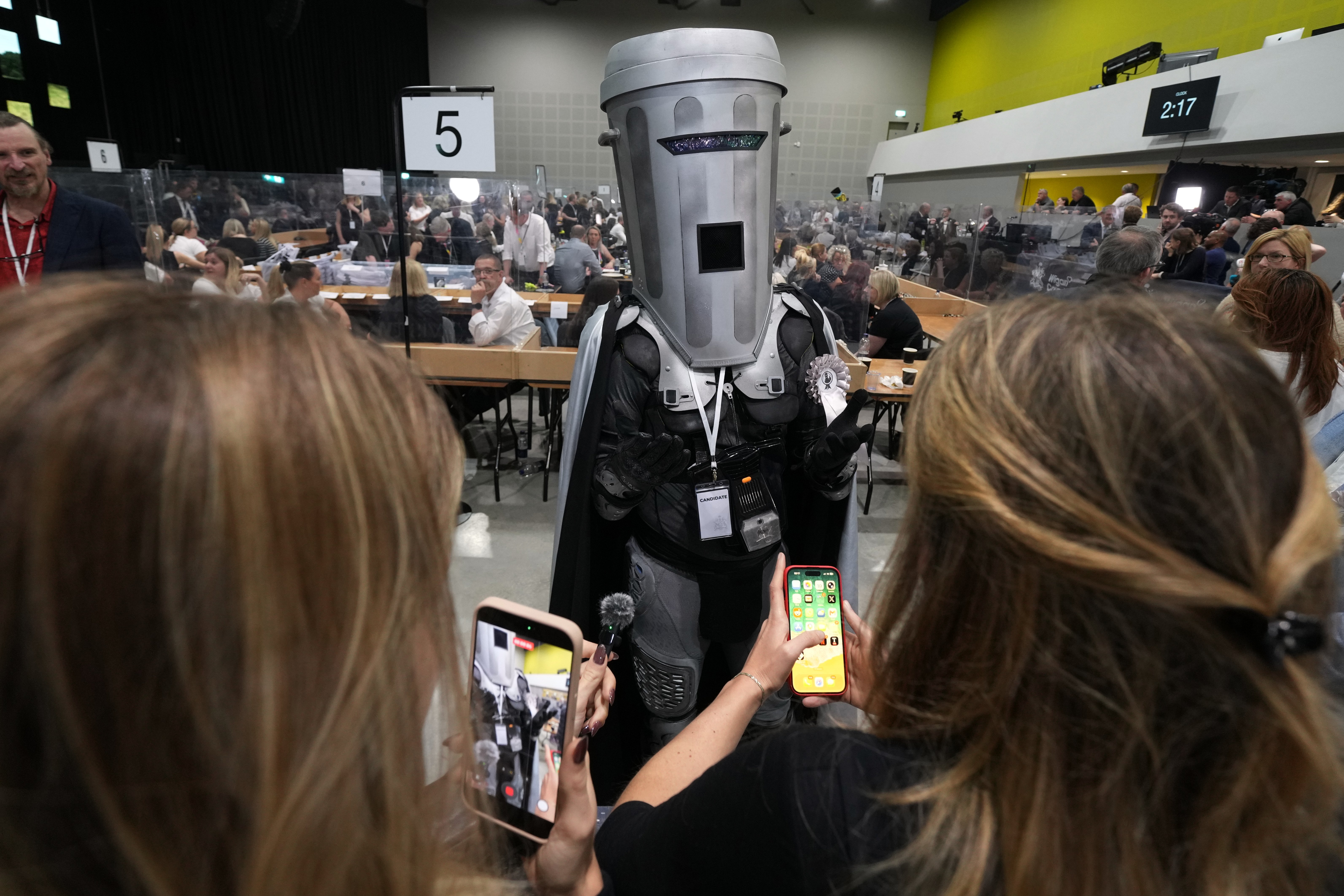
In a quirky twist of British democracy, Nigel Farage, the leader of Reform UK, is battling a candidate dressed as a trashcan in a special election for Parliament. The contest, which might seem like a farce, carries serious political weight, potentially influencing the trajectory of Britain's right-wing politics.
The candidate, Count Binface, is the creation of comedy writer Jonathan David Harvey. Binface joins a tradition of novelty candidates who exploit Britain's low bar for parliamentary candidacy—just a form and a fee of £500 (about $675), with no residency requirement for the constituency. This unusual setup has turned the race into a spectacle with strategic implications.
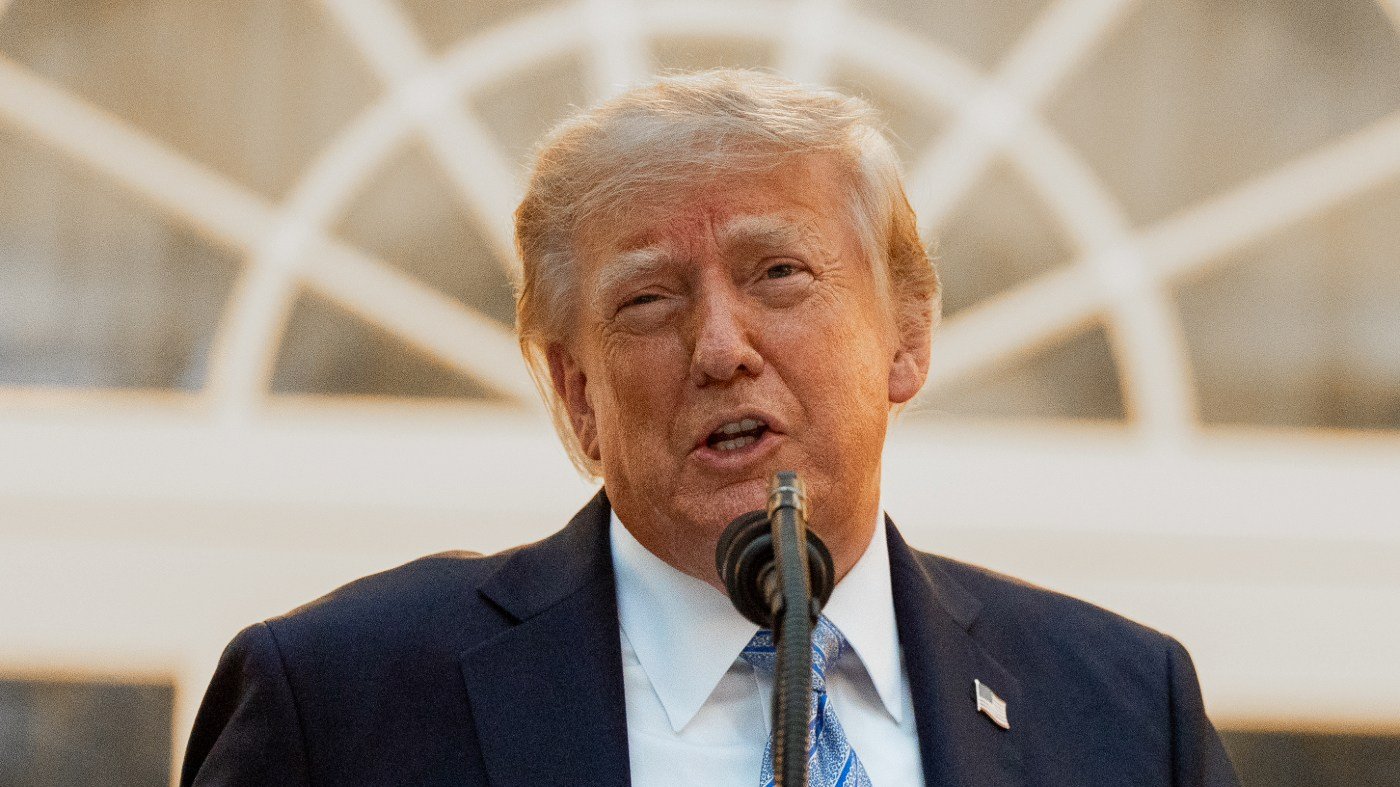
Farage, who already held the seat but resigned amid a corruption investigation, is running in the Clacton constituency. The major parties have boycotted the election, leaving Farage to face a motley crew of pranksters and unknowns. Binface, however, has emerged as the de facto opposition, drawing media attention and even earning 20% in a recent Survation poll, a stark contrast to his previous best of 308 votes.
For Farage, the campaign has been more nuisance than platform. Instead of advancing his anti-establishment agenda, he's been forced to fend off a character straight out of a children's show. His polling numbers have dipped from the 46.2% he secured in the 2024 general election, when he unseated the Conservative incumbent.
The stakes go beyond Farage's ego. Reform UK holds only seven seats in the Commons, yet it's polling nearly even with the ruling Labour Party, according to the Financial Times' tracker. In January, Reform surpassed the Conservatives, a historic humiliation for a party that has dominated British politics for two centuries. Some analysts draw parallels to Labour's early 20th-century rise, which relegated the Liberal Party to irrelevance.
Britain's electoral system favors two-party dominance, making Reform a potential successor to the Tories if current trends persist. Thus, the Conservatives have a vested interest in embarrassing Farage. If he wins by less than two-thirds of the vote, it could puncture Reform's momentum and offer the Tories a lifeline. Otherwise, the Conservatives may face a long, slow decline.
Binface benefits from protest votes against Farage and from Conservative supporters who might back him to undermine Reform. The low stakes—Labour's huge majority means the outcome won't change governance—could also depress turnout, which might favor Farage, as his base is more energized. Yet, some voters may be repelled by the idea of a joke candidate as the main opposition.
This election is a microcosm of Britain's shifting political landscape, where the rise of insurgent parties and the decline of traditional ones are reshaping the map. As similar dynamics play out in other democracies, the outcome in Clacton could send ripples far beyond its borders.
For now, Farage remains the heavy favorite, but the margin of his victory will be scrutinized as a barometer of Reform UK's resilience. If Binface's trashcan becomes a symbol of resistance, it might just mark the beginning of a new chapter in British politics—one where the establishment's decline is symbolized by a man in a costume.