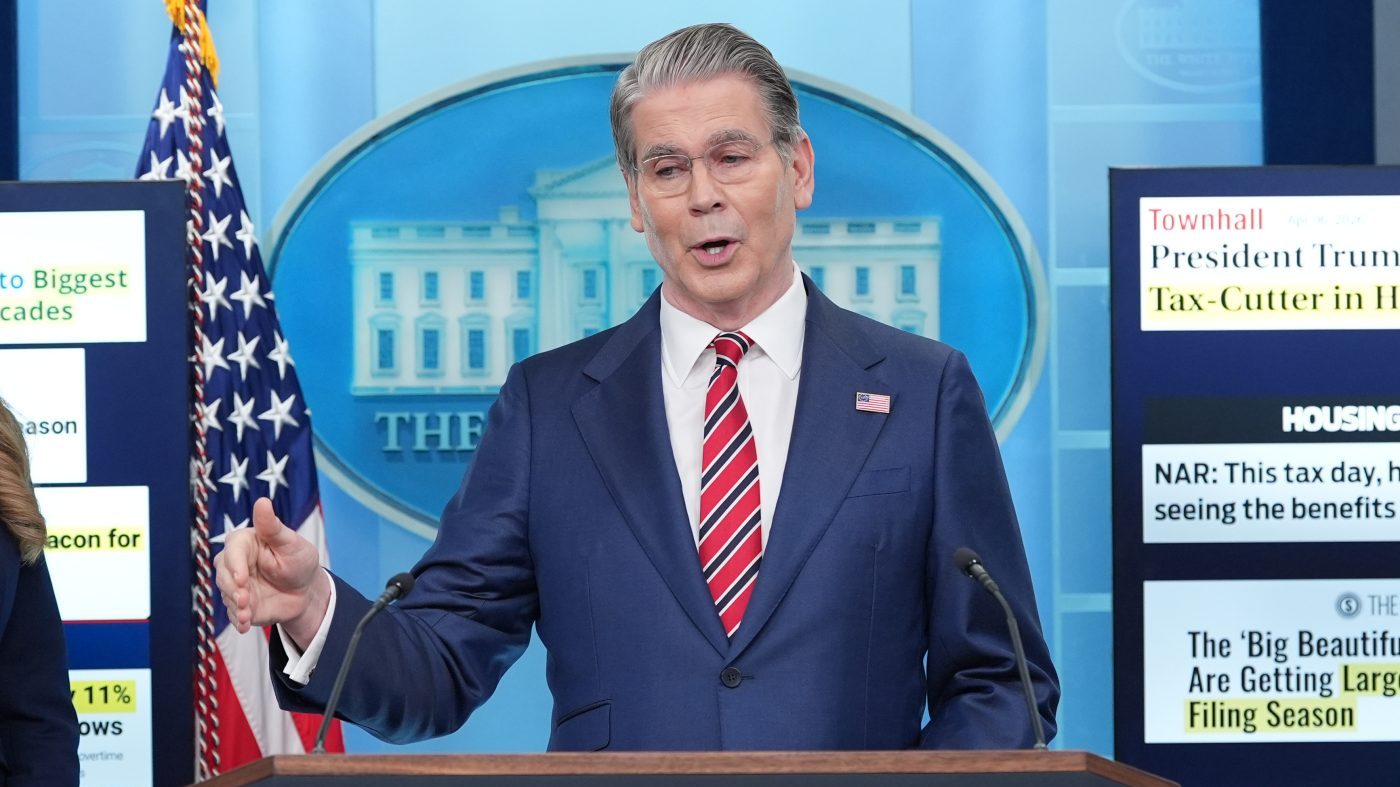
Treasury Secretary Scott Bessent projected Wednesday that American drivers could see gasoline prices fall to approximately $3 per gallon this summer, but only if diplomatic efforts to reopen the critical Strait of Hormuz succeed. The forecast offers a potential economic reprieve but remains tethered to the volatile U.S.-Iran conflict.
Timeline Tied to Maritime Chokepoint
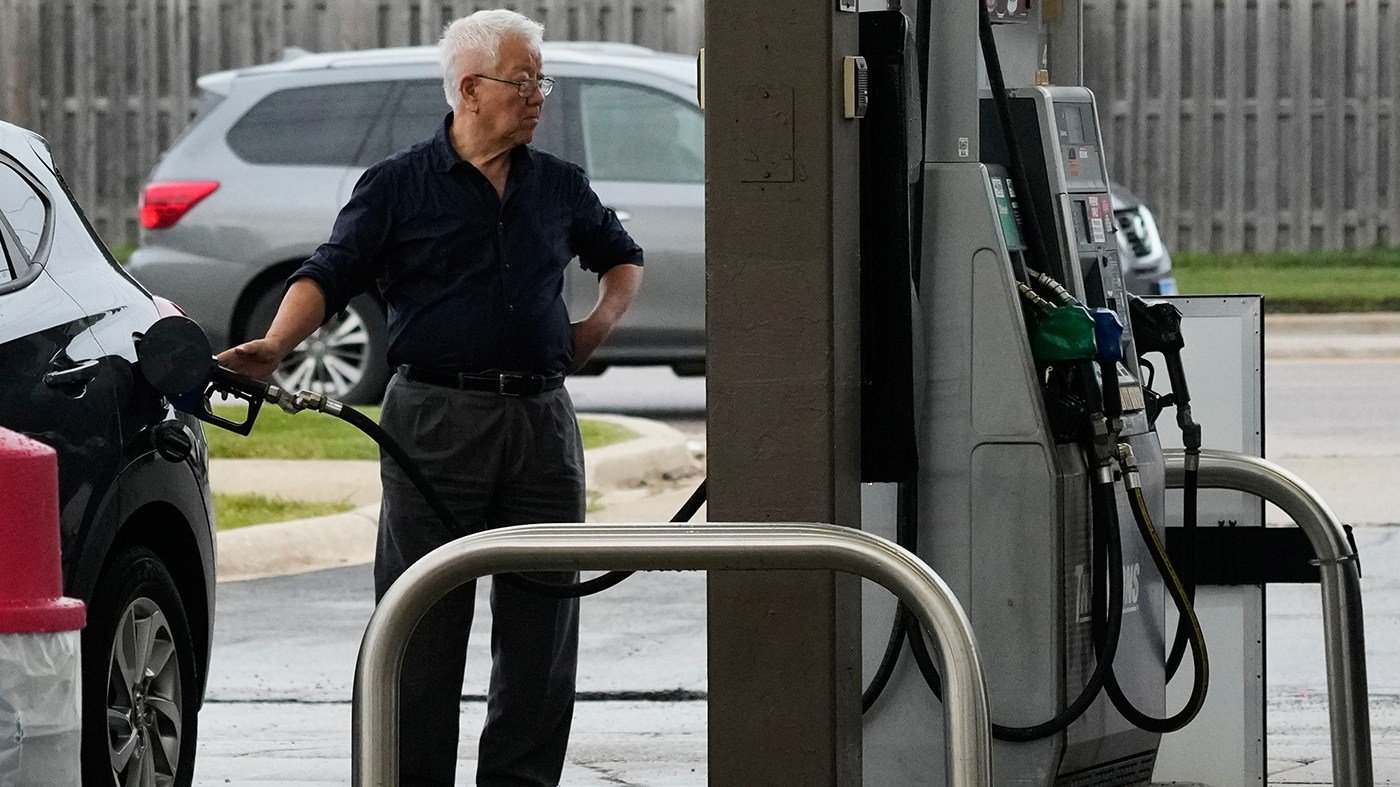
Speaking at a White House briefing, Bessent outlined a window between June 20 and September 20 for the price drop, directly linking it to negotiations over the strategic waterway. "I'm optimistic that sometime between June 20 and September 20 that we can have $3 gas again," he stated. The national average stood at $4.11 per gallon on the day of his remarks, according to AAA data.
The secretary's optimism stems from conversations with Middle Eastern finance ministers during "bank week" meetings in Washington. "They all say when the straits are open they can start pumping again within one week," Bessent reported, indicating a rapid potential supply response from regional producers.
War's Toll on Global Energy Markets
The ongoing military confrontation with Iran, which began in late February, has triggered a global energy price spike. The Strait of Hormuz, a maritime passage for roughly one-fifth of the world's traded oil, has been effectively closed since hostilities commenced. The situation intensified this week as the Trump administration initiated a full blockade of Iranian ports, further constricting supply.
This energy shock has placed the administration on the defensive politically, with Republicans anxious about affordability messaging ahead of the November midterm elections. Administration officials, including Bessent, have framed the pain as a necessary strategic investment. "The message is short term volatility for long term gain," he told reporters, arguing that higher prices are a temporary cost for preventing a nuclear-armed Iran.
Administration's Balancing Act
The Treasury Secretary's comments represent a delicate attempt to manage economic expectations while maintaining a hardline foreign policy stance. His projection serves as both a promise of relief and a public pressure tactic on the negotiations. Bessent, who has also recently urged Federal Reserve patience on interest rates due to the conflict, is central to the administration's economic war management.
However, the path to reopening the strait remains fraught. The blockade and broader war effort have drawn criticism, including from within the President's own party. Some GOP lawmakers have rebuked the administration's rhetoric and strategy toward Iran, suggesting internal political risks accompany the military and economic ones.
Meanwhile, other cabinet officials are signaling continued near-term pressure. The Energy Secretary has warned that gas prices may still peak in the coming weeks due to the Hormuz blockade, creating a potentially rocky summer for consumers before any potential fall decline.
The administration's focus extends beyond energy markets, with Bessent confirming other controversial domestic policy moves, such as drafting an order to require banks to collect citizenship data. Yet, the immediate political firestorm is fueled by pump prices. Whether Bessent's $3 forecast materializes will depend overwhelmingly on a diplomatic or military resolution half a world away, leaving American households as unwitting stakeholders in the showdown with Tehran.