FAA Scrutinizes Air Traffic Protocols After Military-Civilian Aircraft Incident
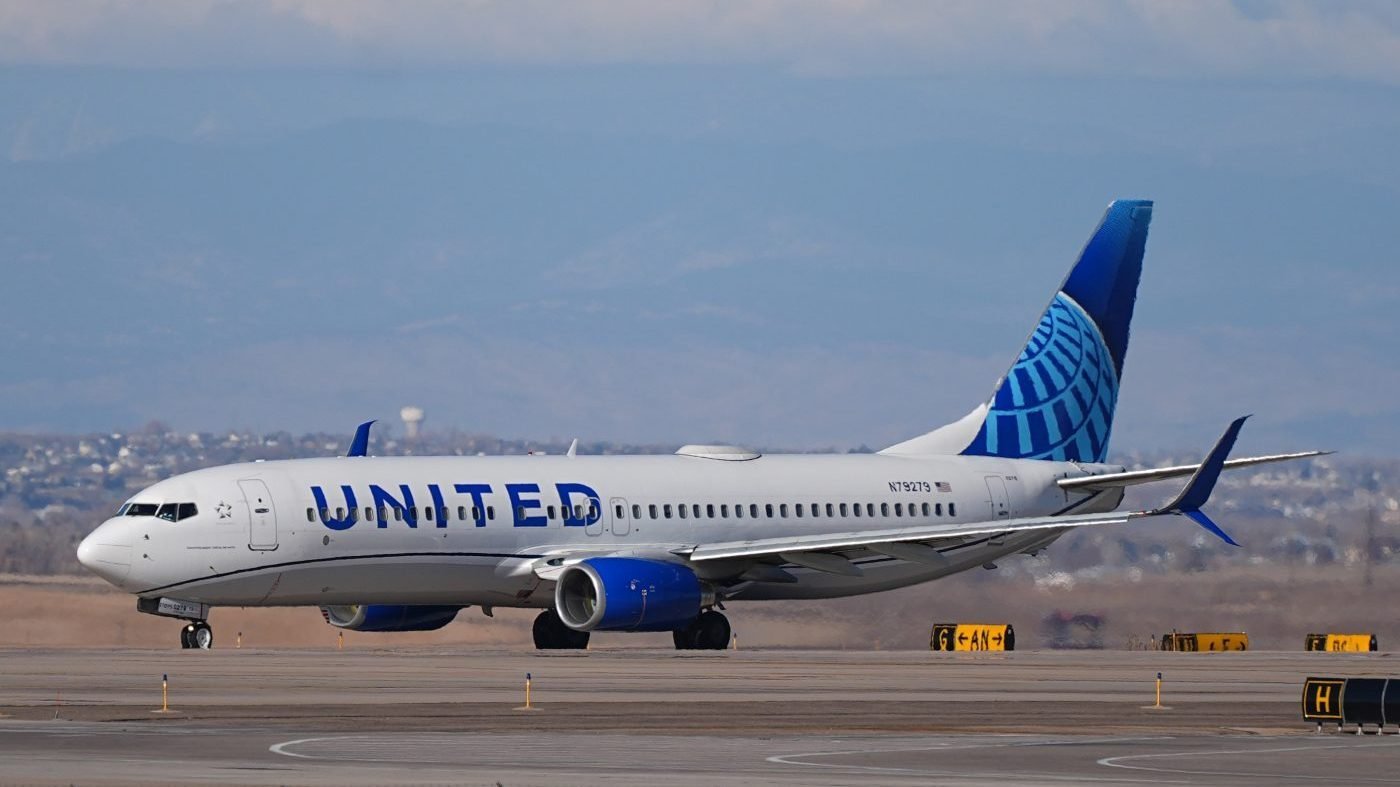
The Federal Aviation Administration has opened an investigation into a dangerous proximity event between a commercial airliner and a U.S. Army helicopter over Southern California. The incident occurred Tuesday evening as United Airlines Flight 589 was on final approach to John Wayne Airport in Santa Ana.
According to flight tracking data, a Sikorsky UH-60 Black Hawk helicopter crossed the path of the Airbus A320, coming within approximately 525 feet vertically and 1,422 feet laterally. The United flight, carrying 162 passengers and six crew members, was arriving from Denver. The Army helicopter was returning to base following routine training operations and was in communication with air traffic control at the time.
Procedural Questions Follow Recent Policy Shift
United Airlines stated that its pilots were alerted to the helicopter's presence by air traffic control and subsequently received an automated traffic collision alert. The crew responded by leveling the aircraft's descent. No injuries were reported and the aircraft did not collide.
The incident comes just days after the FAA, under Administrator Bryan Bedford and Transportation Secretary Sean Duffy, suspended the use of "visual separation" procedures between airplanes and helicopters. The agency now mandates that controllers use radar to actively manage aircraft spacing. The practice of visual separation allows controllers to advise pilots of nearby traffic and rely on pilots' sight to maintain distance, a method now under intense review.
The FAA probe will determine whether visual separation protocols were improperly applied during Tuesday's event. This scrutiny follows a broader pattern of aviation safety incidents that have prompted congressional hearings and regulatory action.
Echoes of Fatal January Collision Drive Policy Debate
This latest close call inevitably recalls the catastrophic January 2025 mid-air collision between an American Airlines plane and a Black Hawk helicopter near Reagan Washington National Airport. The National Transportation Safety Board concluded that the air traffic system's "overreliance on visual separation" was a contributing factor in that crash, which killed all 67 people aboard both aircraft.
The NTSB found that the practice was used to promote efficient traffic flow without adequate consideration for the limitations of the "see-and-avoid" concept, especially at night or in congested airspace. The board's findings have placed lasting pressure on the FAA to overhaul procedures governing mixed military and civilian traffic in shared corridors.
The incident also highlights the complex interface between federal operational authority and local airspace, a jurisdictional tension that extends beyond aviation into areas like immigration enforcement. The Army's training missions in densely populated civilian airspace require precise coordination with FAA controllers, a process now under a microscope.
As the investigation proceeds, it will examine controller instructions, pilot responses, and the technological alerts generated by the aircraft's collision avoidance systems. The outcome is likely to influence not only ongoing procedural changes at the FAA but also broader federal policy on technology and security in critical infrastructure. The probe's findings will be closely watched by lawmakers overseeing transportation safety and defense operations.