Airport Employee Honored for In-Flight Intervention
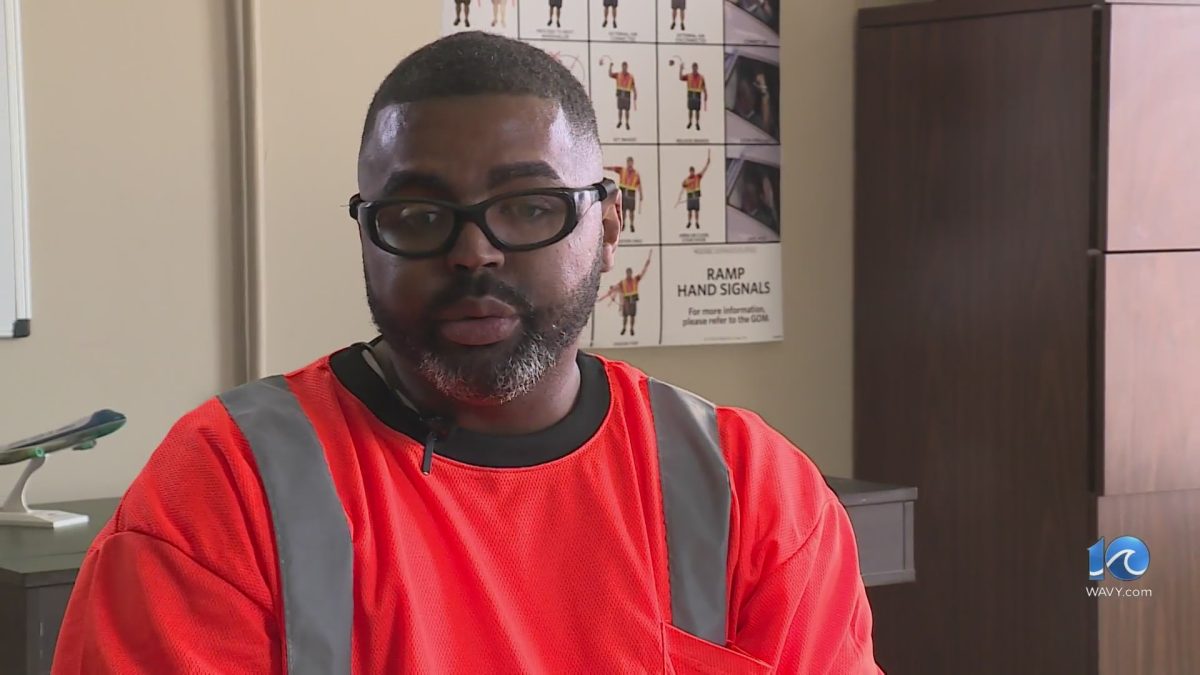
A Virginia aviation worker has been formally recognized for his decisive actions during a mid-air security incident, highlighting ongoing concerns about passenger conduct and cabin safety. Randall Johnson, an employee at Norfolk International Airport and an assistant women's basketball coach at Virginia Union University, received a $5,000 award from his employer, Unifi Aviation, during a surprise ceremony at his workplace.
Ceremony Disguised as Routine Workday
Johnson believed he was reporting for a standard shift when he was met by family members—including his mother, sister, aunt, and grandmother—alongside gathered coworkers. The presentation was orchestrated to honor his conduct aboard a Delta Air Lines flight originating from Houston on February 18. "We just knew to come that day," said his mother, Kim Johnson. "They told us about half an hour before there was going to be a ceremony with a big surprise."

The incident that prompted the award occurred when a passenger aboard the flight became aggressive and moved toward the cockpit door. Johnson intervened physically, subduing the individual and preventing the situation from escalating further. His actions ensured the safety of fellow passengers and crew during the critical moment.
Context of Aviation Security Challenges
This event occurs against a backdrop of persistent strains on the national aviation security apparatus. While not directly linked to staffing shortages, incidents of passenger misconduct and security breaches continue to draw political and operational scrutiny. The response of a ground employee while off-duty underscores the layered nature of aviation security, relying on both professional personnel and responsible citizens.
Political pressure on aviation security has intensified in recent years, with debates often focusing on funding, staffing, and protocol. Instances like the one involving Johnson provide tangible examples of the unpredictable threats that can emerge post-screening, beyond the jurisdiction of the Transportation Security Administration. They also highlight the role of individual vigilance.
Similar breaches have prompted federal action elsewhere. For example, authorities recently charged a Florida man with aircraft piracy following an airport perimeter breach and attempted boardings in Daytona. Such cases reinforce the continuous challenge of securing all points of the air travel system.
Broader Implications for Policy and Operations
The recognition of Johnson by a private aviation services contractor, Unifi Aviation, points to the industry's efforts to incentivize and celebrate security-minded behavior among its workforce. It also serves as a public relations gesture emphasizing safety commitment to the flying public and to regulators.
Analysts note that while heroic individual actions are commendable, they are not a substitute for systemic robustness. Past crises, such as when major airports faced critical staffing shortages due to unpaid TSA officers during a government shutdown, revealed vulnerabilities that individual bravery cannot mitigate. A fully funded, well-staffed, and trained security workforce remains the foundational defense.
Johnson, balancing roles in aviation and collegiate athletics, represents the diverse backgrounds of those who comprise the nation's travel infrastructure. His award ceremony, blending personal pride with professional acknowledgment, reflects a moment where individual courage aligned with collective security needs, averting a potential disaster at 30,000 feet.