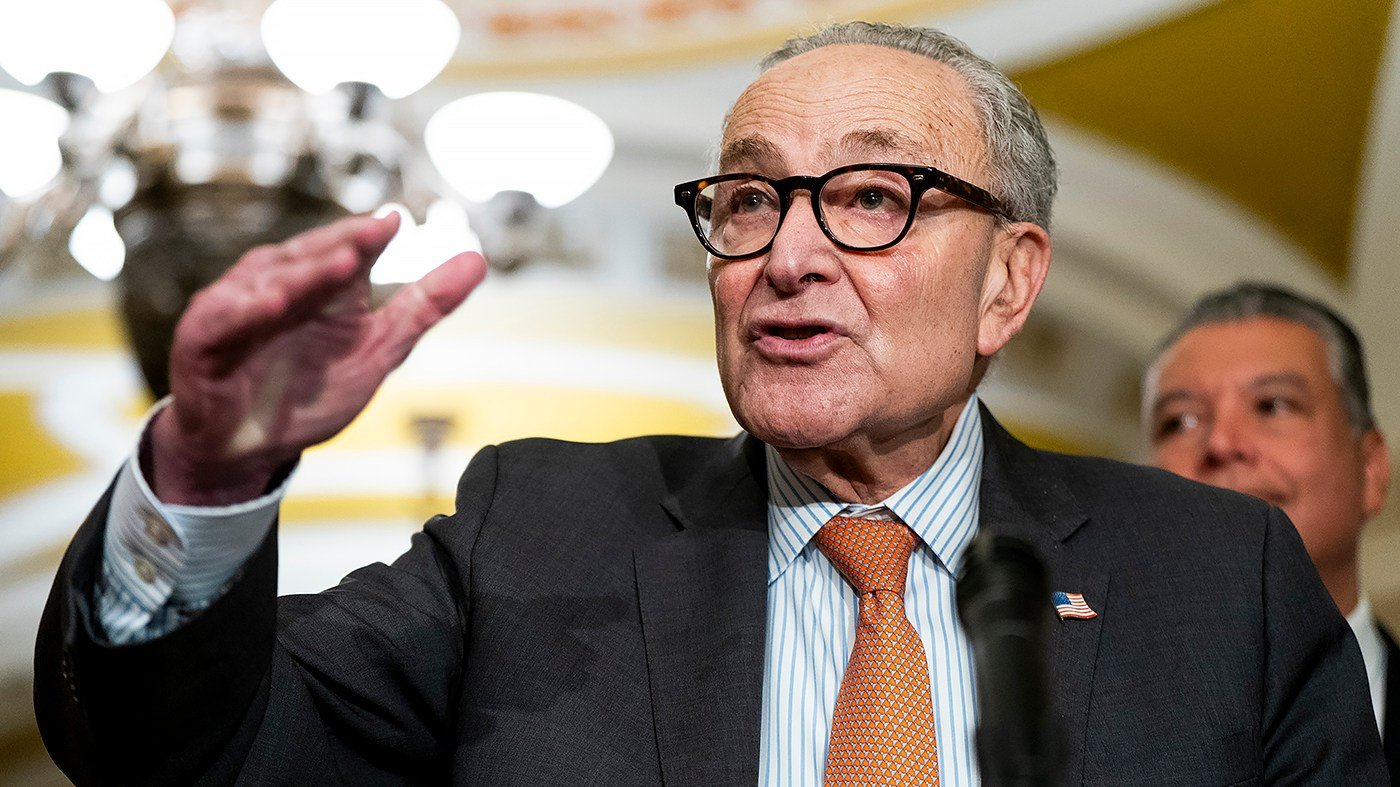
As Democrats brace for a tense election night, strategists and lawmakers are already sketching out a legislative agenda should they capture the Senate majority. Decision Desk HQ gives Democrats a 56% chance of flipping the chamber, with a 77% likelihood of reclaiming the House. But any victories would land them in a divided government, facing a White House openly hostile to their priorities and a compressed timeline before 2028 maneuvering dominates Washington.
Joshua Miller, government affairs director at Public Citizen, sees this as a critical audition for voters. "It is an opportunity for Democrats to audition for the American people for why they should have complete power after 2028," he said. Yet he warned that the campaign trail could easily dictate the terms of D.C. debates, urging Democrats to set the agenda rather than react to it.
Oversight as the First Move
The immediate focus would be aggressive oversight of the Trump administration. With committee gavels, Democrats could issue subpoenas and summon Cabinet secretaries for testimony, a scenario certain to escalate tensions between the executive and legislative branches. However, some Democrats are urging restraint on impeachment, mindful of the party's failed efforts during Trump's first term. Phil Gardner, a centrist Democratic strategist, cautioned that such moves could alienate swing voters. "If we start to think of 2026 as history repeating itself from 2018, then I don't have faith that Democrats took lessons from their past defeats or mistakes," he said. Even some eager impeachment advocates recognize the futility, Gardner added, noting "we did it twice. It didn't work."
Affordability Takes Center Stage
After months of campaigning on the cost of living, Democrats would likely push legislation to lower everyday expenses. Senate Minority Leader Chuck Schumer has already rolled out a series of proposals targeting high grocery prices, including breaking up meatpacking monopolies. The party's messaging frames affordability as a direct rebuke to Trump's policies, which they argue have driven up costs for families.
Healthcare and Medicaid Cuts
Healthcare remains a cornerstone issue. Democrats aim to reverse Medicaid cuts embedded in the 2025 Republican tax package and restore enhanced Affordable Care Act premium tax credits that lapsed last fall. Wendell Primus, a Brookings Institution scholar, expects Democrats to prioritize these items, though they'll need to negotiate with a Republican president. "It's a question of, do you try to get something done that may be a little smaller than what you want, because you know you've got to deal with a Republican presidency right now, or do you say, 'We're going to make a big deal out of this issue, so it helps us get the ultimate prize, a Democrat president in 2028,'" Primus said. Senator Brian Schatz, likely to become Democratic whip, has specifically flagged Medicaid cuts as a top target, saying "it does reduce the rate at which people can't afford their lives."
Democrats also face pressure from their base to act boldly, but with a narrow majority and a hostile White House, their legislative achievements may be limited. The party's playbook, released by Schumer in April, emphasizes "lower costs," "reliable care," and "less hassle," though specifics remain vague. As the election approaches, Democrats are weighing whether to compromise for incremental wins or hold firm for a 2028 mandate. The outcome will shape not only the next two years but also the party's trajectory heading into the next presidential cycle.