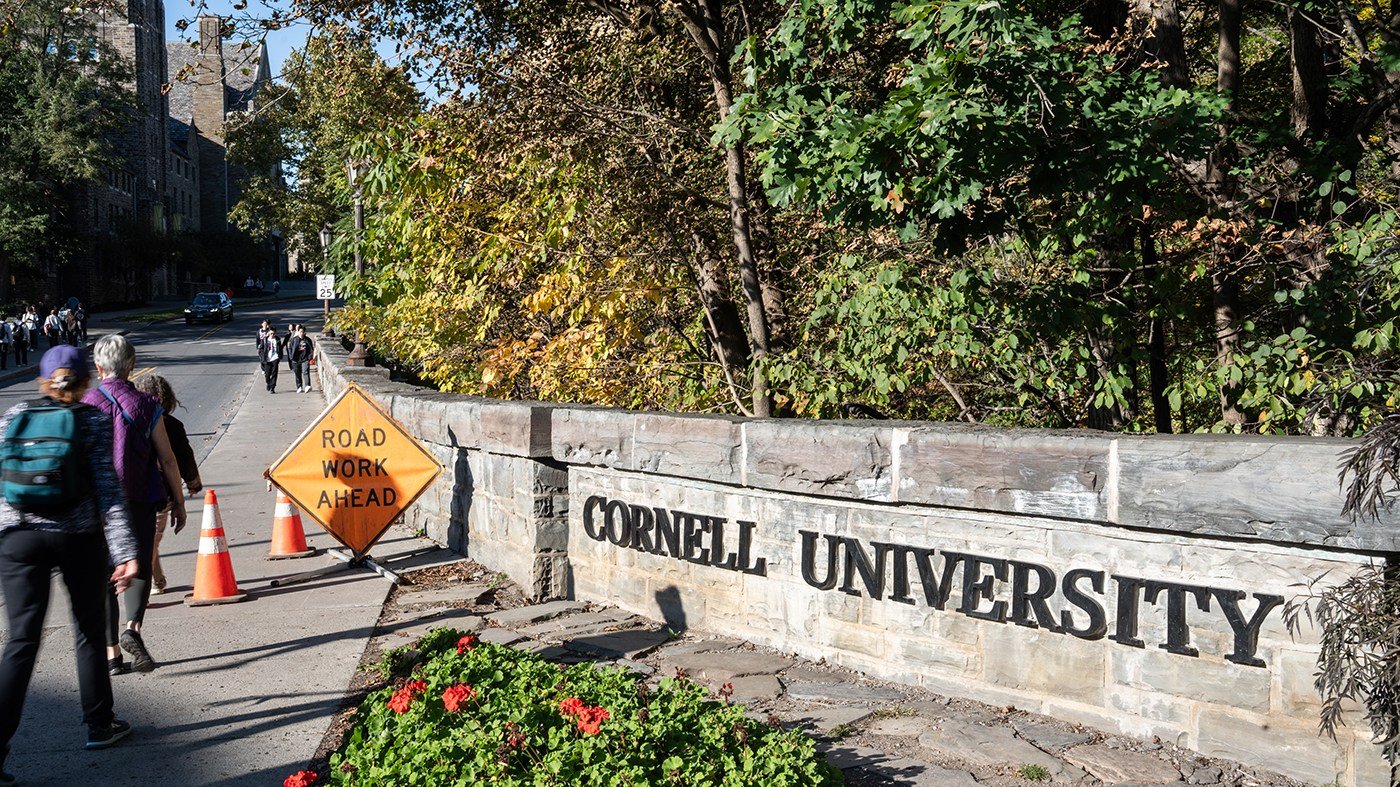
The alleged gang rape of a Cornell University student has thrust campus sexual assault prevention programs into the national spotlight, prompting renewed debate over their effectiveness. In the wake of the incident, Cornell's interim president, Michael Kotlikoff, has pledged to expand education efforts, but experts warn that current programs often fail to translate awareness into reduced violence.
Kotlikoff announced plans to invest in prevention-focused initiatives, bolster bystander intervention training, and consult national experts to refine the university's approach. However, a 2023 meta-analysis by Heather Kettrey, an associate professor at Clemson University, found that such trainings have a "much more substantial effect on knowledge and attitudes" than on actual violence prevention. "Although campus sexual assault prevention programs do appear to improve knowledge and attitudes, there is not strong evidence that campus sexual assault programs are doing much to prevent violence," Kettrey said.

The gap between education and action is a central challenge. Many programs are delivered as one-time sessions during orientation or through online modules, which students may forget or ignore. Omny Miranda Martone, founder and CEO of the Sexual Violence Prevention Association, noted that students often lack trust in the instructors, leading them to disregard the material. "Everyone's a stranger, especially whoever's teaching them this information... They don't have trust in this person or rapport with this person, and so it's not being contextualized," she said.
Experts advocate for repeated, varied training sessions throughout the academic year, a point echoed by Jessica St. Germaine of RAINN. "We see these things be most effective when we have a higher dosage of exposure," she said, emphasizing that ongoing training helps reinforce resources and bystander strategies.
The Cornell case also underscores the role of peer accountability. Martone highlighted that in the alleged incident, no one in the group chat intervened. "If just one of the people in that group chat had said 'This is messed up,' then this might not have escalated," she said, pointing to the failure of bystanders to speak out.
Despite federal requirements under the Campus Sexual Violence Elimination Act, the specifics of prevention programs vary widely. A 2024 survey found that 1 in 5 undergraduate women and 1 in 17 undergraduate men experience sexual assault during college, with underreporting likely masking the true scale.
The Cornell case involves a student who accused seven Chi Phi fraternity brothers of assault after being coerced into drugs and alcohol. The university has since banned fraternity parties and added investigators, as reported in Cornell's response to the lawsuit. Critics argue that such measures, while necessary, do not address the root causes.
Tracey Vitchers, executive director of It's on Us, stresses that prevention must begin long before college. "The truth is that sexual violence prevention education is not a one-time educational program. We need to be having these conversations about consent and healthy relationships and bodily autonomy in age-appropriate ways," she said.
As Cornell works to rebuild trust, the broader lesson is clear: prevention requires sustained, credible, and early education, coupled with a culture that holds peers accountable. The case has also fueled calls for legal accountability, as seen in how lawsuits drive institutional change.