Republican leaders are increasingly puzzled and frustrated by the public's persistently negative view of the economy, especially as growth accelerates and some analysts tout the possibility of an American economic "golden age." Yet the latest inflation reports have done little to lift the gloom, with both the Consumer Price Index and Producer Price Index coming in hotter than expected in recent days.
The September CPI showed inflation accelerating, rising 0.6% month-over-month after a 0.4% increase in August. Energy prices led the surge, climbing 5.2%, while core prices—excluding food and energy—rose a more modest 0.3%. The September CPI report underscored that the cost-of-living squeeze is far from over, and the wholesale inflation surge added to the concern.
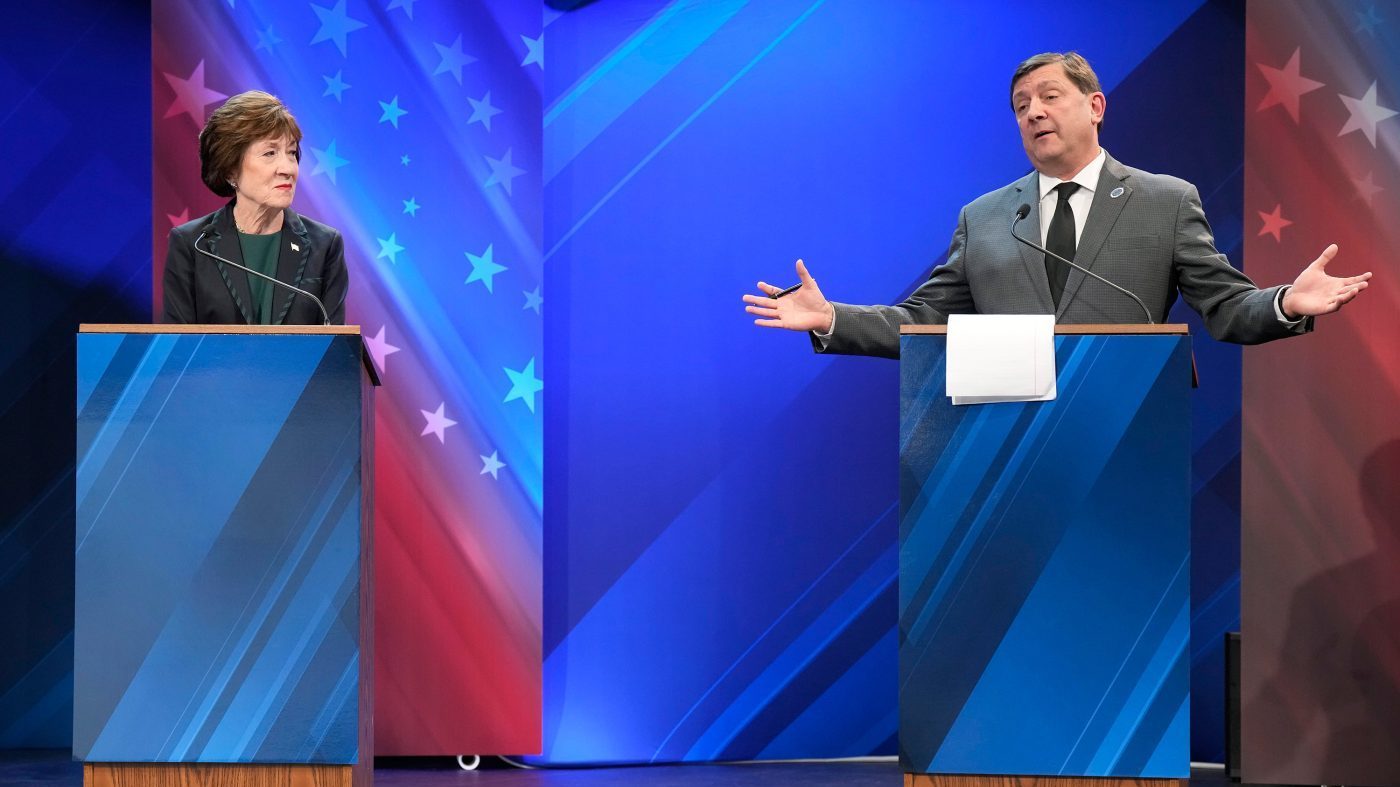
Democrats, who have made affordability a central plank of their campaign to retake Congress, seized on the numbers with glee. The House Democratic Caucus posted on X: "Trump promised to lower costs and end inflation on day one. The exact opposite has happened. This president has been a total failure."
The political fallout is clear: consumer pessimism, driven by higher-than-expected inflation, has translated into poor approval ratings for the president and the Republican Party, dimming their chances of holding the House and Senate in next month's midterms. This marks a sharp reversal from the usual dynamic, where Republicans typically lead on economic trust. A recent Washington Post poll found that 51% of adults now trust Democrats more to keep the country prosperous, versus 37% for Republicans—the first time Democrats have held such an edge since 2012.
The sentiment is all the more striking because the underlying data tell a different story. Major banks reported strong earnings, with notable signs of consumer resilience. JPMorgan saw credit and debit card spending rise 10% year-over-year, Wells Fargo reported a 12% jump in credit card charges and 8% in debit card spending, and Citigroup card spending soared 13%. These are extraordinary numbers for a population recording the lowest confidence in 12 years. And the spending isn't fueled by debt—charge-off rates on credit cards actually fell, indicating borrowers are keeping up.
Bank executives attribute the spending to a strong labor market and wage growth that have helped Americans absorb higher prices. Wells Fargo's CEO noted that employment gains are supporting consumption, while Citigroup's Jane Fraser said, "The labor market is stable and companies remain active."
So why the disconnect? Economic growth, real income gains, low unemployment, and a booming stock market are being overshadowed by anxiety over cumulative price increases. Since the pandemic, prices have jumped more than 20%, with much of that occurring under the current administration. Liberal media and Democratic candidates have amplified the bad news while downplaying the positives, but Republicans have also struggled to craft a compelling message. They appear wary of repeating President Biden's mistake of telling Americans they don't understand how well off they are—a line that backfired when inflation peaked at 9%.
Gerard Baker of The Wall Street Journal captured the frustration in an op-ed titled "It's the Economy, Stupid—but How Stupid?" He drew parallels to 1992, when Bill Clinton won by exploiting perceptions of a weak economy even though the recession was over and GDP was growing at 4%. Baker argues that today's economy may be on the cusp of a golden age, driven by AI and other innovations, but voters' flawed perceptions could again decide the election.
With the midterms looming, the political stakes are high. Republicans are scrambling to reframe the narrative, but the inflation data keep undercutting their message. As one GOP strategist put it, "We're fighting a headwind that we can't control." The party's hopes may rest on whether voters focus on the strong fundamentals or the persistent pain at the pump and grocery store.