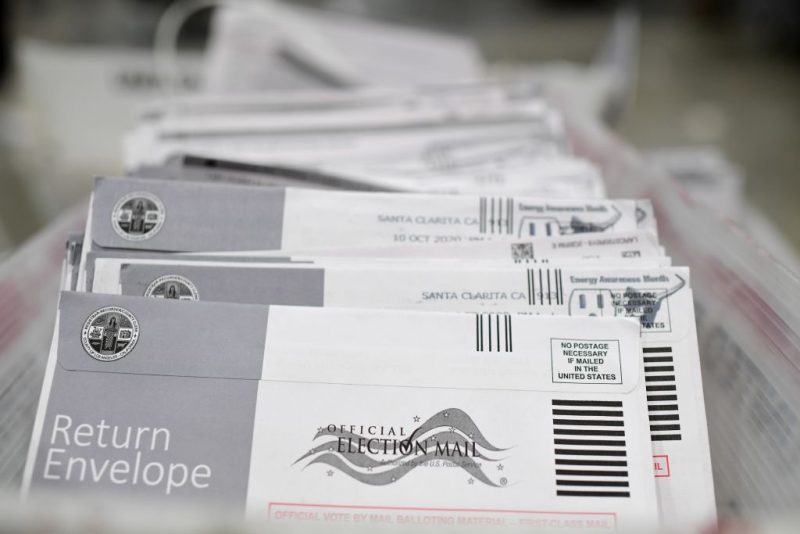
A federal appeals court has reinstated key provisions of Texas' 2021 election integrity law, including the requirement that mail-in voters provide identification on their ballots and applications. The ruling from the 5th U.S. Circuit Court of Appeals reverses a lower court's decision from March that had blocked these changes.
The law, known as Senate Bill 1 or the Election Protection and Integrity Act, was authored by state Sen. Bryan Hughes, R-Mineola. It also imposes new rules on voter registration, requires those assisting voters to sign an oath affirming no coercion, and creates new election fraud offenses. Hughes defended the law, calling it a set of "common sense reforms" that aim to make voting easier and cheating harder.
The legal challenge came from voter advocacy groups, who argued that the ID requirement disproportionately affects elderly and disabled voters—who make up the majority of mail-in voters in Texas—and violates the Americans with Disabilities Act. A study by the Brennan Center for Justice found that roughly one in seven mail-in ballot applications were rejected due to missing or mismatched identification numbers, often when a voter's number didn't match what was on file.
However, the 5th Circuit panel disagreed, noting that rejection rates have dropped significantly as voters become familiar with the rules. The court cited testimony that rejections fell from 11-12% to 2.7% in just eight months, and that officials expect the numbers to continue declining as the state's identification database improves.
Hughes echoed that sentiment, saying the rate is "continuing to come down" as people learn the process. The Texas Secretary of State's office advises mail-in voters to include both their Texas ID number and the last four digits of their Social Security number on applications and ballots; if either matches state records, the ballot is accepted.
Looking ahead, Hughes said he doesn't anticipate "major wholesale" changes to the state's election system in the 2027 legislative session, but he and colleagues will continue to explore ways to enhance election security. The decision comes amid ongoing legal battles over voting rules, with similar disputes reaching the Supreme Court, as seen in emergency pleas on voting rules.
The ruling is a significant win for Texas Republicans, who have pushed for stricter voting laws in the name of integrity. Critics, however, argue such measures suppress turnout, particularly among minority and disabled voters. The case may still be appealed, but for now, the ID requirements are back in effect.