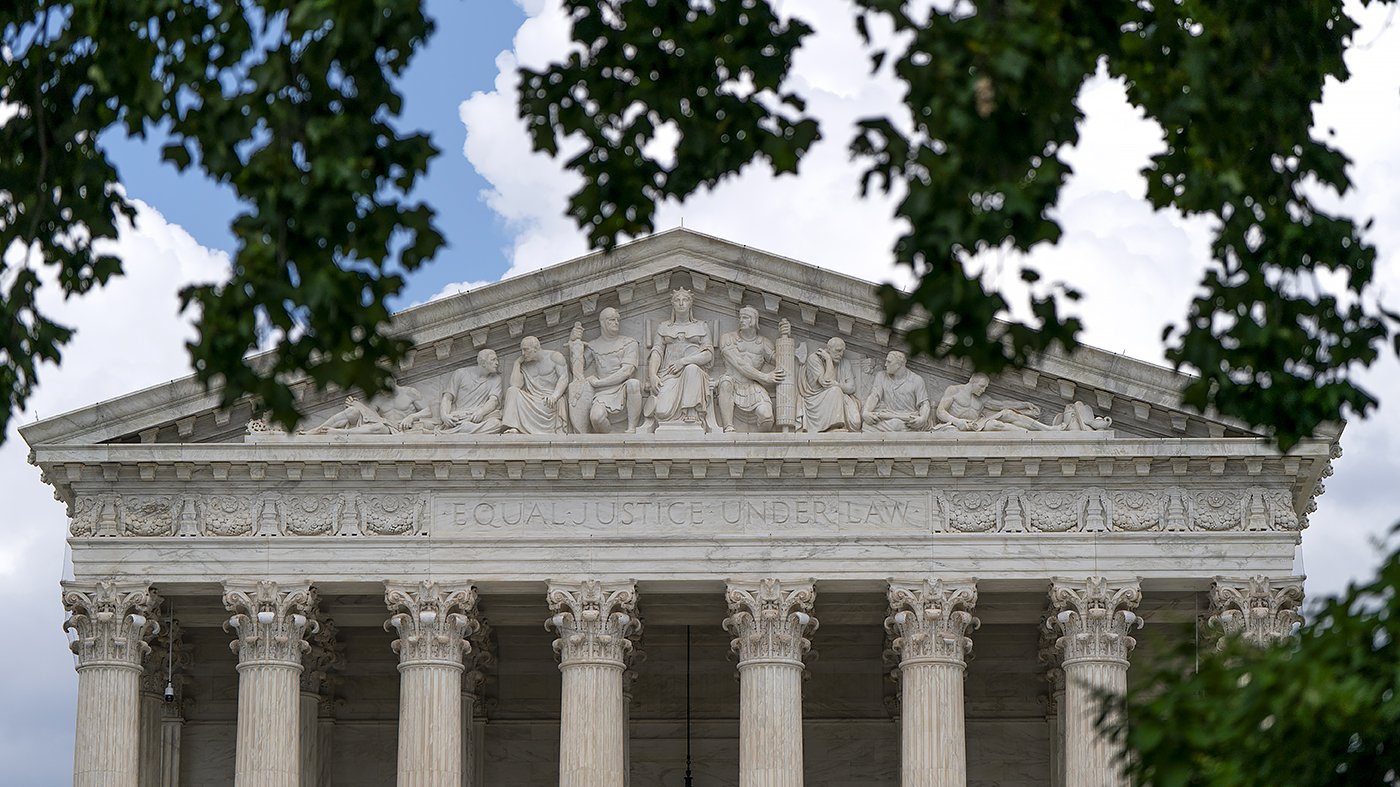
The Supreme Court's emergency docket has come roaring back to life during the justices' summer break, with President Trump pressing the court to reinstate his mail ballot restrictions and greenlight construction of a new White House ballroom. The flurry of requests places the high court squarely in the political crosshairs once again, following a series of landmark rulings on other facets of Trump's agenda.
Beyond the high-profile White House matters, the justices have also been asked to weigh in on an Apple contempt dispute, a Tennessee execution, and even the fate of a “vicious” dog facing euthanasia.
White House Ballroom Dispute
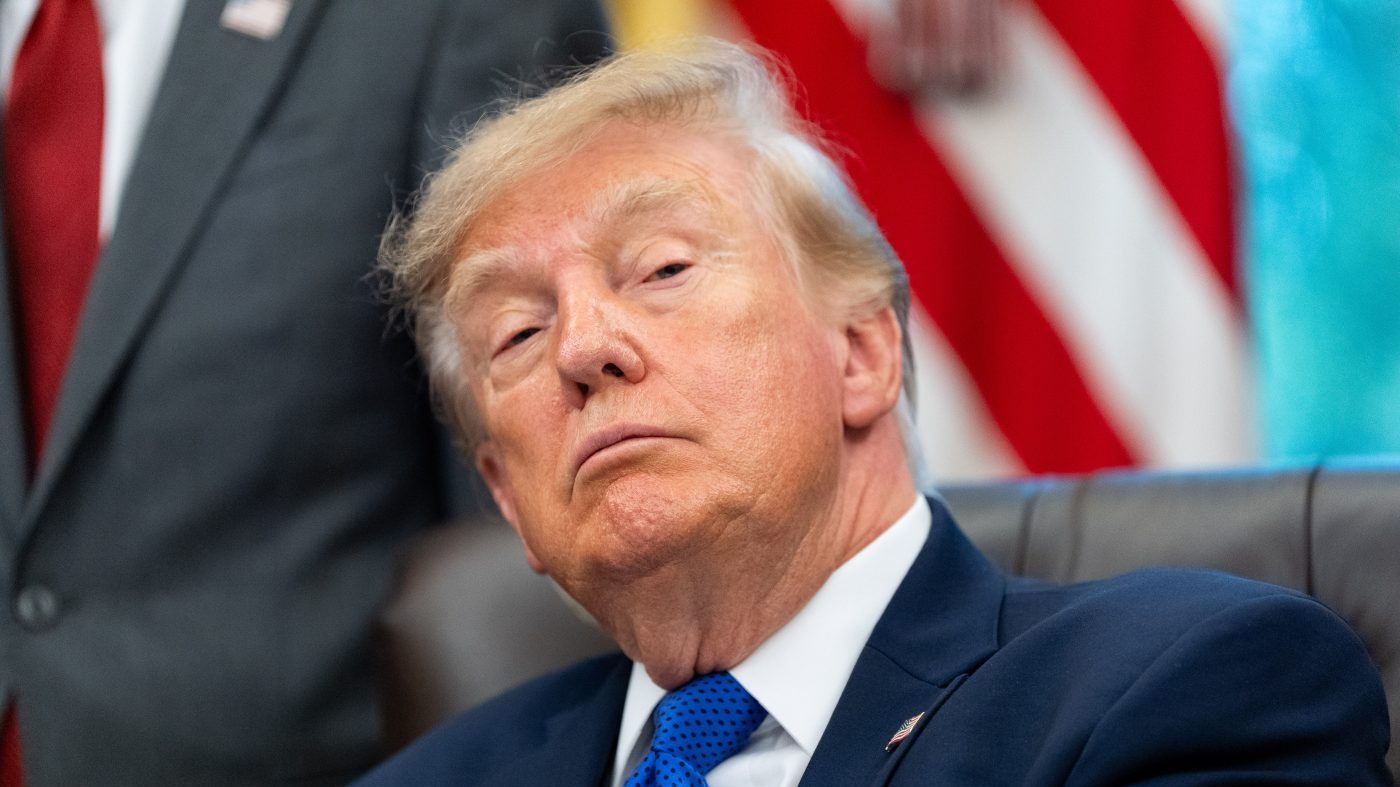
On Friday, Trump filed an emergency application asking the Supreme Court to clear the way for the ballroom project, which has been stalled by a lawsuit from a preservationist group. The administration argues that the group lacks legal standing and that the project does not require additional congressional authorization, despite the group's claims to the contrary.
Solicitor General D. John Sauer, in a 45-page filing, emphasized that the ballroom is essential for Trump's security, calling the lower court's injunction “judicial overreach.” The Justice Department has repeatedly cited security threats, including the 2024 assassination attempts at a Butler, Pa., rally and a Florida golf course. More recently, the administration has pointed to the White House Correspondents' Association dinner shooting, a shooting near the White House complex, a plot to attack a UFC fight on the White House lawn, and a threat that prompted Trump to secretly board an alternate aircraft in Europe.
“The updated East Wing complex is absolutely required and should not be enjoined,” Sauer wrote. The administration notes that construction is already 65 percent complete and moving quickly with a 250-person crew, arguing it is too far along for courts to intervene. The preservationist group is due to respond by Tuesday.
Mail Ballot Restrictions
Meanwhile, the court could rule at any time on whether to revive Trump's executive order targeting mail ballots, which is currently blocked by a lower court. The order, issued in March, directed the Department of Homeland Security to create a list of verified citizens eligible to vote and instructed the U.S. Postal Service to refuse delivery of mail ballots to those not on the list. A federal judge blocked the policy, potentially preventing it from taking effect before November's midterm elections.
The legal situation is complicated by the fact that the judge issued two separate injunctions: one in a case brought by Democratic-led states, which is directly before the Supreme Court, and another with nationwide effect that is not yet before the justices. The administration is urging the court to act on the first injunction and also clarify that the judge erred in both rulings. “In all events, it is critical that the Court act promptly on the pending stay. Otherwise, the district court’s erroneous orders will effectively run out the clock,” Sauer wrote.
The blue states counter that the second case raises “distinct legal issues” and should be handled separately.
Apple's Contempt Fight
Apple's long-running legal battle with Epic Games over app store commissions has returned to the Supreme Court. The justices are already scheduled to consider whether Apple was properly held in contempt in the case. On Wednesday, Apple filed an emergency request to delay a deadline for additional disclosures in the trial proceedings until after the Supreme Court rules. Justice Elena Kagan temporarily paused the deadline to review the request, but on Thursday she denied it without comment.
Tennessee Execution
The court also faced a last-minute appeal from Anthony Hines, convicted in the 1985 murder of a woman at a Tennessee motel. Hines challenged the state's lethal injection protocol, citing a botched execution attempt in May that lasted over an hour. He raised Eighth Amendment claims against cruel and unusual punishment and expressed concerns about the doctor involved in the failed procedure. The state argued Hines had no valid claim to halt his execution.
The Supreme Court's summer recess has been anything but quiet, as it juggles these emergency appeals alongside its regular docket. The decisions could have significant implications for voting rights, presidential authority, and the administration's agenda.