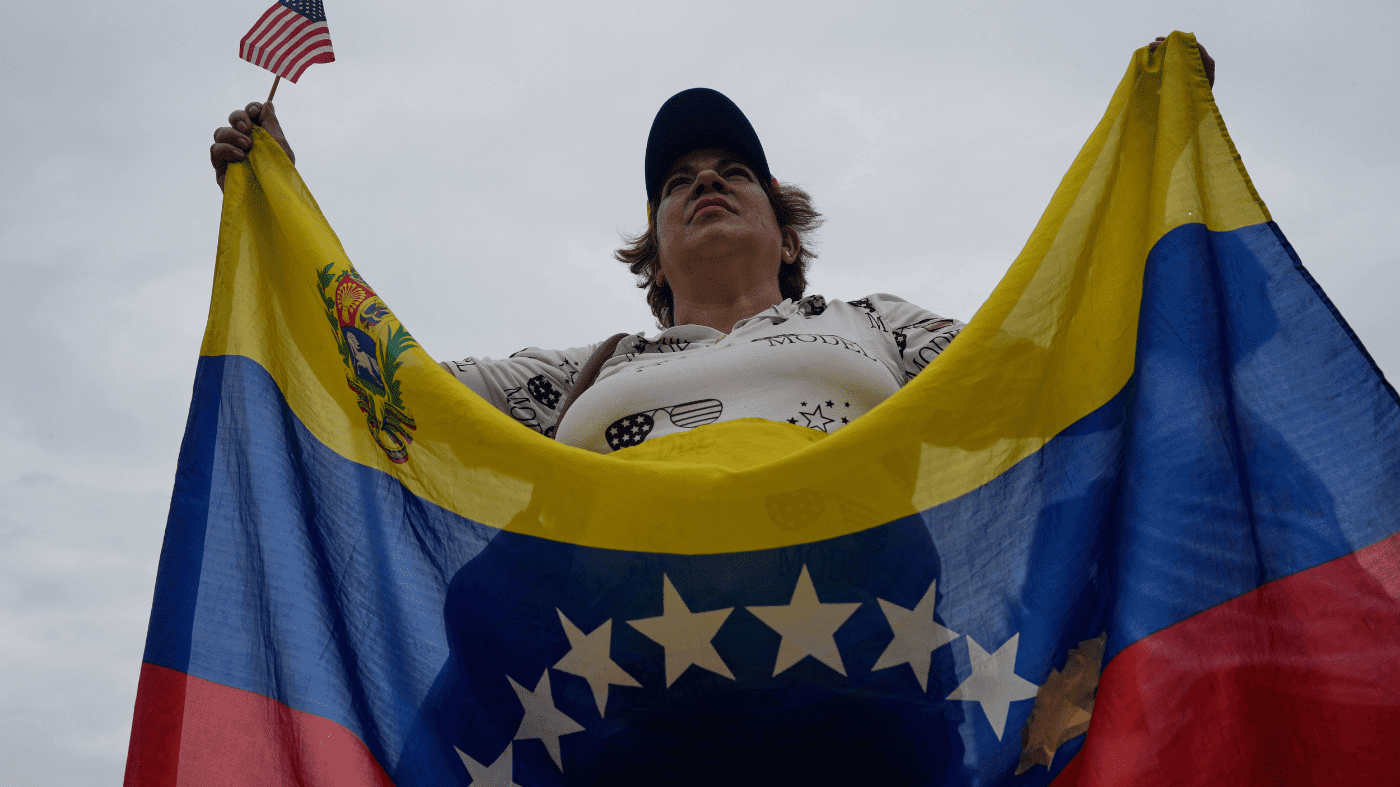
The capture of Nicolás Maduro on January 3 marked a decisive shift in US-Venezuela relations. Operation Absolute Resolve, which dismantled the dictator's security apparatus, proved that the revived Monroe Doctrine is more than rhetoric—drug traffickers and autocrats are no longer beyond reach. Yet eight months later, a critical obligation remains: ensuring Venezuela holds free, fair, and transparent elections.
The recent oil agreement with Venezuela—covering 65 billion barrels of proven reserves—was a pragmatic step. It promises investment and jobs in Venezuela while bolstering US energy security and lowering gasoline prices. Crucially, it prevents adversaries like China, Russia, and Iran from profiting from these resources.
But this deal has put Washington at a crossroads. The administration can either deepen a business relationship with an illegitimate government or set a clear timeline for elections and support the emergence of a democratic, prosperous Venezuela. The choice seems obvious, yet history shows that authoritarian regimes often offer a false sense of stability, while democracy is messy and demanding. Still, only the latter can build lasting prosperity.
Past attempts at pragmatic engagement with dictators have failed. In 2016, President Obama visited Cuba, betting that Raúl Castro differed from his brother. The result: the regime arrested 10,000 people that year and tightened its grip, even as US restrictions were eased. Similarly, President Clinton's policy of engaging China in the 1990s—hoping trade would foster a middle class and democratic change—ended with China more repressive and economically stronger. As Clinton famously said, "The more we bring China into the world, the more the world will bring change and freedom to China." That prediction proved tragically wrong.
These lessons underscore why elections in Venezuela are not optional. They are the only way to ensure a genuine transition, not just a transactional arrangement. The contrast with Guyana is instructive. Venezuela's neighbor, a democracy, is experiencing explosive growth—real GDP surged 43.8% in 2024, and it expects over $6 billion in oil revenue this year. The UN noted that Guyana's recent elections strengthened public confidence in democratic processes. Prosperity and democracy, it turns out, go hand in hand.
Meanwhile, Delcy Rodríguez, an unelected official, remains part of the problem. Her regime has made superficial concessions—handing over enriched uranium, releasing some prisoners, easing press restrictions, and allowing Human Rights Watch access for the first time in 18 years. But these are tactics to normalize the regime, not to share power. As the saying goes, Venezuela's interim government is willing to change as much as needed, as long as nothing actually changes.
Operation Absolute Resolve disarmed the dictator. Now it's time to dismantle the dictatorship. The Venezuelan people are clamoring for elections, and the US has the leverage to make it happen—at the right moment and in the right manner. The window is open; the question is whether Washington will act decisively. The template for such pressure exists. It's time to finish the job and set a date.