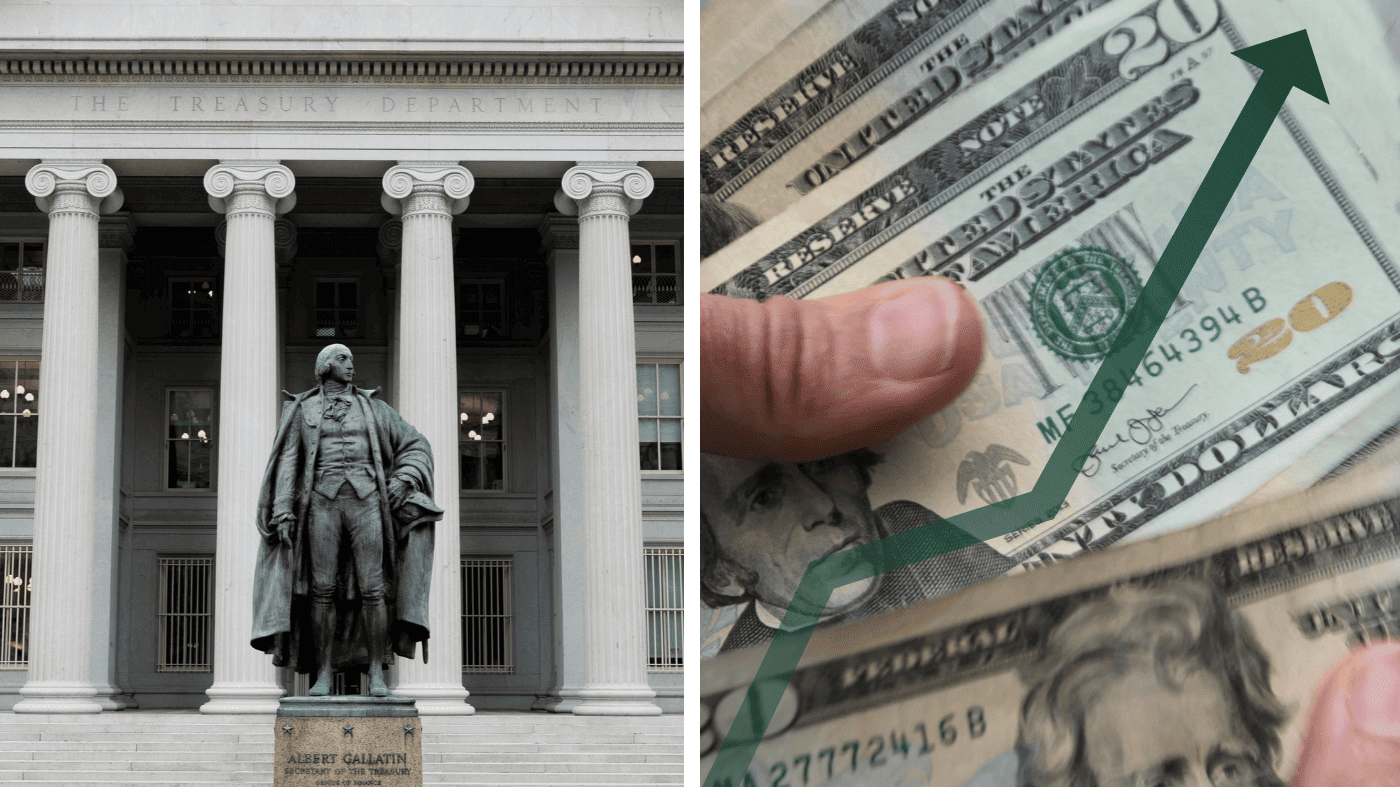
The yield on the 10-year U.S. Treasury note climbed to its highest point in over two decades on Thursday, a move that signals rising borrowing costs for consumers and businesses across the country.
Early in the trading session, the benchmark yield touched 5.34%, a level not seen since April 2002, when it closed at 5.48%. By mid-morning, it had eased slightly to around 5.32%, still up about 3 basis points from Wednesday's close.

The sustained upward trend in bond yields over the past seven months reflects a confluence of factors, including elevated energy prices, persistent inflation, and a growing appetite for artificial intelligence infrastructure. Since late February, when the 10-year yield closed at 3.96%, the note has climbed steadily, driven in part by the onset of the U.S.-Israel conflict with Iran.
The Middle East conflict has disrupted shipping through the Strait of Hormuz, pushing energy prices higher and contributing to inflationary pressures in the United States. The personal consumption expenditures price index, a key inflation gauge, rose 3.4% year-over-year in August, according to the Bureau of Economic Analysis. The national average price for a gallon of regular gasoline stood at approximately $4.41 on Thursday, up sharply from pre-conflict levels.
Government debt is also exerting upward pressure on yields globally. The U.S. national debt surpassed $40 trillion in August and now stands at roughly $40.1 trillion, prompting investors to demand higher returns on longer-term securities.
The 30-year Treasury bond, which typically offers a higher yield than shorter-term instruments, also rose on Thursday, trading at about 5.67%—its highest level since April 2002. This increase mirrors the broader trend in the bond market.
Federal Reserve officials have pointed to the boom in artificial intelligence as another factor driving up yields. The construction of data centers and the development of AI models require significant inputs such as construction labor and energy, which are also used widely across other sectors. Fed Governor Lisa Cook noted on Monday that increased AI investment could introduce price pressures to those other sectors, potentially feeding into inflation.
The sell-off in the bond market is already translating into higher costs for homebuyers. The average 30-year fixed-rate mortgage hit 7.03% last week, the first time it has exceeded 7% since January 2025, according to Freddie Mac.
For a broader perspective on how these market movements are influencing Wall Street, see bond yields keep pressure on stocks. Additionally, the intersection of AI investment and policy is a topic of ongoing debate, as highlighted in the appointment of an AI czar. The energy price spike has also revived discussions about data center energy demands.