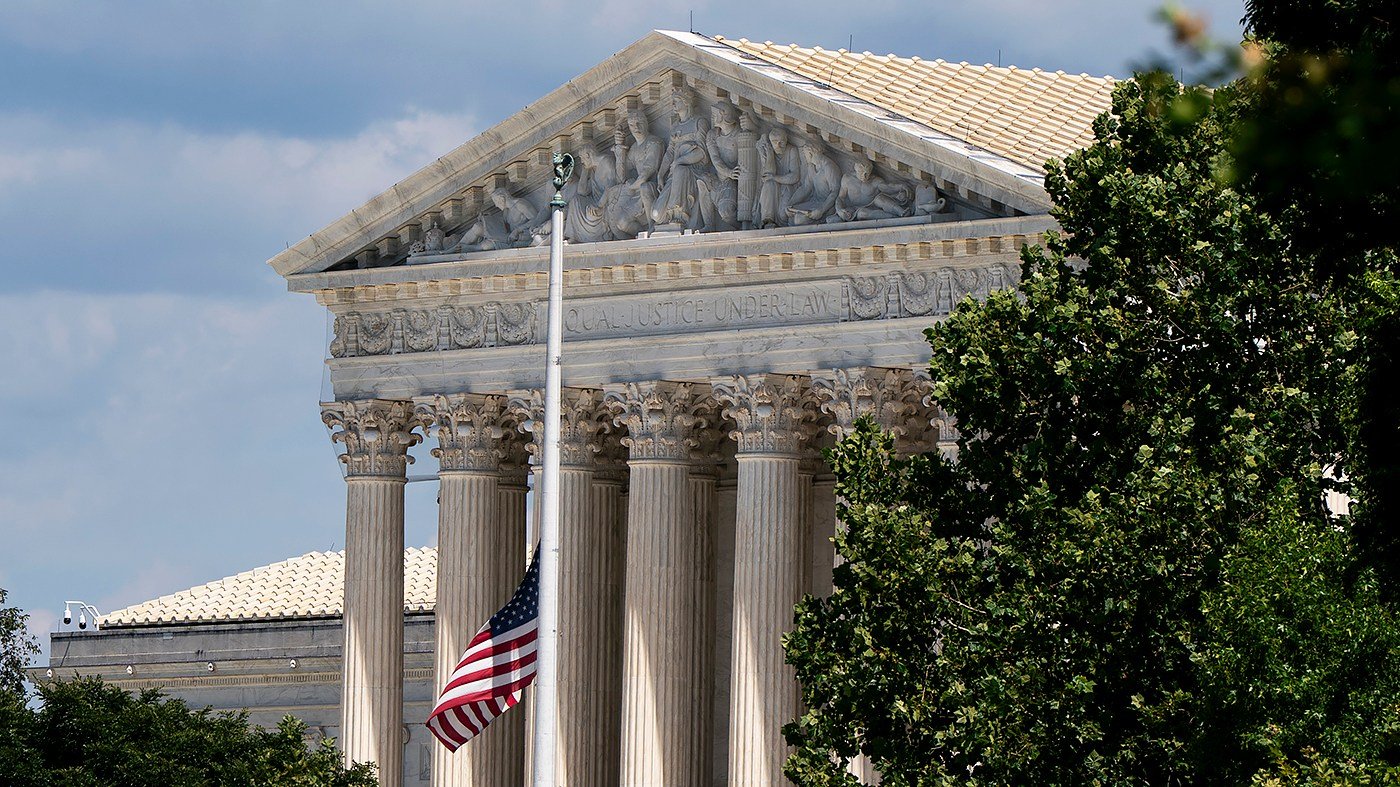
The Supreme Court has agreed to hear a Kentucky zoning dispute that pits a Catholic church's plans for a large religious shrine against local land-use rules, setting up a significant test of federal protections for religious exercise.
The justices on Thursday granted review in a case brought by the Missionaries of St. John the Baptist, a religious order based in the Cincinnati suburbs. The order sought to build a 39-foot grotto honoring the Virgin Mary on a vacant lot adjacent to its property in Park Hills, Kentucky, but was blocked by local zoning restrictions.
At the center of the case is the Religious Land Use and Institutionalized Persons Act (RLUIPA), a 2000 federal law that shields religious institutions from zoning laws that impose a "substantial burden" on their religious exercise. The church argues that the denial of its permit violates that statute, while local officials and neighboring residents contend the ordinance is a neutral land-use regulation.
The dispute began when the Park Hills zoning board initially granted the church a conditional use permit, despite a town ordinance that restricts certain uses to arterial streets. Neighbors, concerned about increased traffic and the grotto's size, sued, arguing the permit violated state and federal law.
A state trial judge sided with the church, but the Kentucky Court of Appeals reversed. The Kentucky Supreme Court upheld that reversal, reasoning that the ordinance did not substantially burden the church's religious exercise because it could build a smaller shrine on its existing property. The court also noted that the church was aware of the zoning restriction before seeking the permit.
In its petition to the U.S. Supreme Court, the church argued that this interpretation misreads RLUIPA and that appellate courts have split on what constitutes a "substantial burden." The church's lawyers wrote that the lower court's decision "exacerbates the deep fractures" among federal and state courts, and they urged the justices to clarify the law's scope in land-use cases.
Lawyers for the neighbors had urged the Court to reject the case, arguing it was not a suitable vehicle to address the broader legal questions.
The case is one of several religious liberty matters on the Court's docket this term, and a decision is expected by summer of next year. The outcome could have wide implications for how local governments balance zoning authority with religious freedom, particularly in cases involving similar land-use conflicts across the country.
Observers note that the Court's ruling could also affect other pending disputes involving religious institutions and municipal regulations, including detention policies and immigration enforcement that raise separate constitutional questions.