Sabato's Crystal Ball, a leading nonpartisan election handicapper, has moved the Wisconsin governor's race from a toss-up to leaning Democratic following Milwaukee County Executive David Crowley's upset primary victory over democratic socialist Francesca Hong. The shift, announced late Tuesday, reflects growing confidence among analysts that Crowley can hold the governor's mansion for Democrats in the fall.
Crowley's win defied pre-primary polls that showed him trailing Hong by more than 20 points. Hong, who had gained national attention as part of a wave of democratic socialist candidates, was seen as a rising star within the party's left wing. But Crowley, a moderate with deep ties to Milwaukee's political establishment, secured the nomination with a late surge that caught many observers off guard.
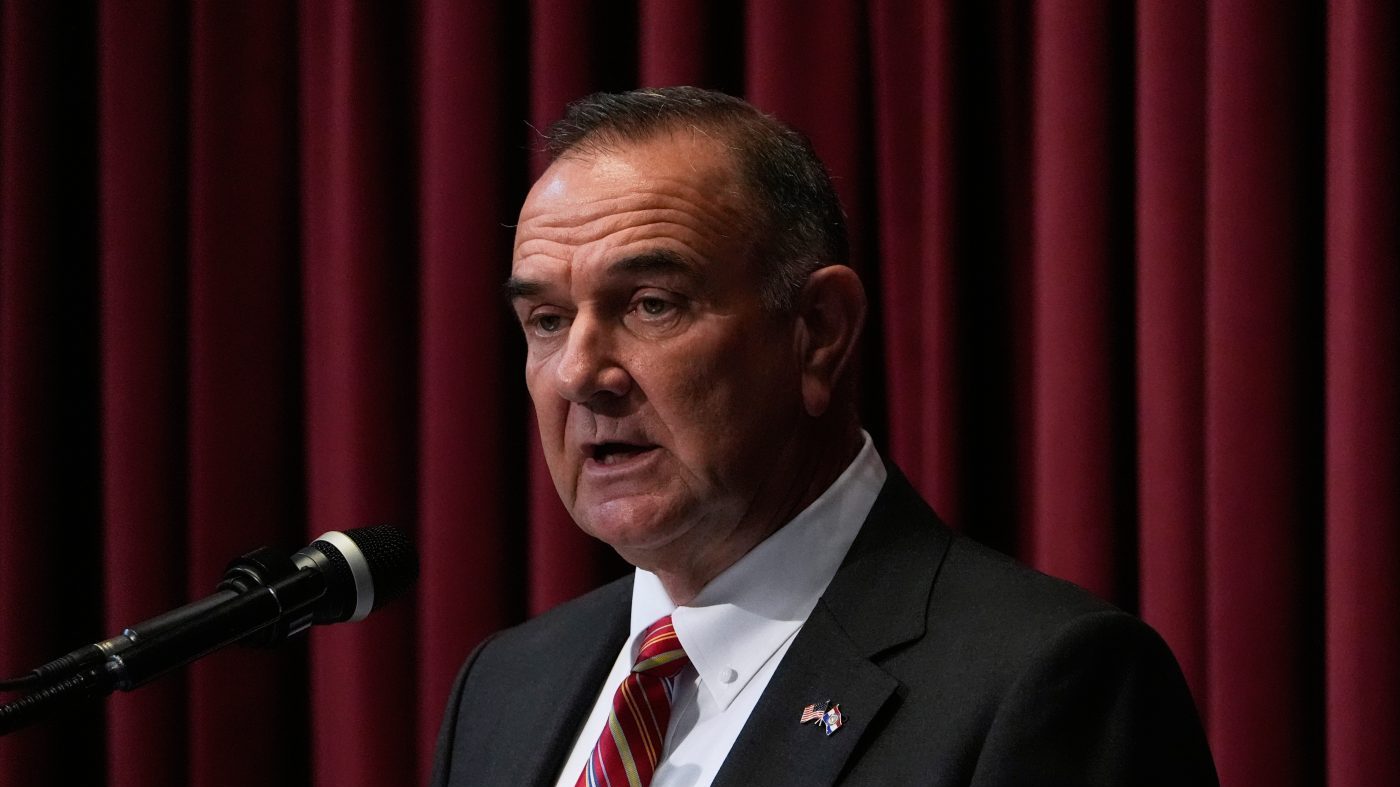
The victory is a significant boost for centrist Democrats, who have recently been overshadowed by democratic socialists in high-profile primaries in New York and Colorado. As centrist Democrats struggle to counter the left's momentum, Crowley's success offers a template for moderates to win in competitive states.
Crowley's campaign was bolstered by endorsements from retiring Governor Tony Evers, Representative Gwen Moore, and Democratic National Committee member Alex Lasry. Those establishment nods helped consolidate support among moderate voters and party insiders, who viewed Hong as too far left to win a general election.
The Crystal Ball's shift suggests that Crowley is now favored to defeat Republican nominee Tom Tiffany in November. Tiffany, a conservative congressman, has focused his campaign on economic issues and border security, but Wisconsin's recent electoral history has favored Democrats in statewide races.
Crowley is among a small but notable group of Black men running for governor this cycle, including Republicans Byron Donalds of Florida and John James of Michigan, as well as Democrats Ras Baraka of New Jersey and Jermaine Johnson of South Carolina. His candidacy could energize Black voters, a key Democratic constituency in Wisconsin.
Political analysts note that the race's shift could have broader implications for the national political landscape. If Crowley can hold the seat, it would be a rare bright spot for Democrats in a challenging midterm environment. Conversely, a Tiffany win would be a major upset and a signal of Republican strength in the Midwest.
The Crystal Ball's rating change is based on a combination of polling, fundraising, and historical trends. While the race is still competitive, the handicapper's move reflects a growing belief that Crowley's moderate profile and local appeal give him an edge in a state that has been closely divided in recent elections.
As the campaign moves into the general election, both candidates will face intense scrutiny. Crowley will need to defend his record on issues like public safety and economic development, while Tiffany will look to tie Crowley to national Democratic policies that are unpopular in Wisconsin. The outcome could hinge on turnout in Milwaukee and the suburbs, where Crowley is expected to perform well.
For now, Democrats are cautiously optimistic. "This is a critical race for our party," said one Democratic strategist. "Crowley's win shows that a pragmatic message can still resonate with voters, even in a polarized environment."