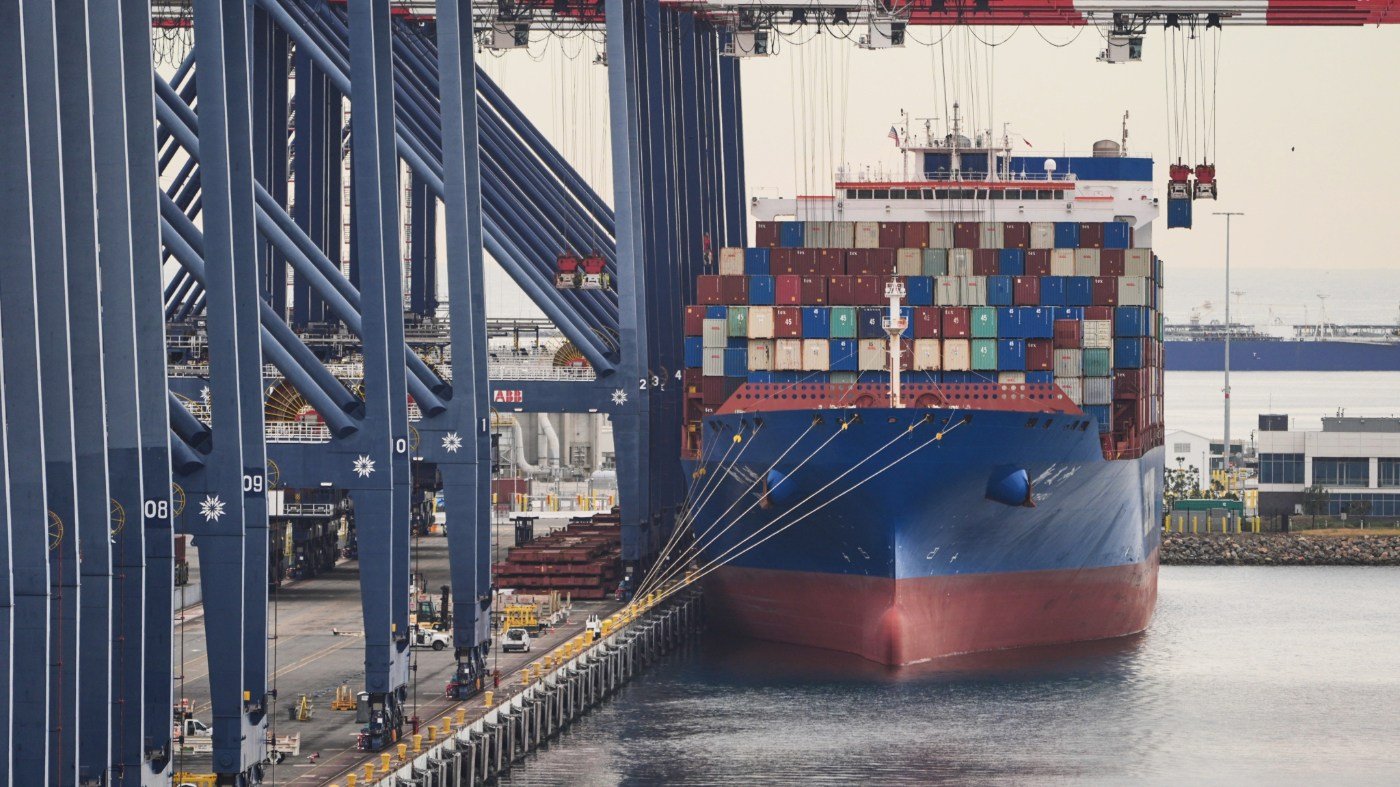
The recent election results signal that American voters are exhausted by trade wars and the unpredictability of tariff policy. The antidote to such chaos is a return to rules-based trade—rules that give businesses the stability to plan, consumers the confidence that prices won't spike overnight, and trading partners the assurance that today's allies won't become tomorrow's targets on a whim.
Public sentiment appears to back this view. A Council on Foreign Relations poll found that 49% of Americans define fair trade as all countries being bound by the same set of rules. But where can such rules be found? The answer, according to trade expert Bruce Hirsh, is not to reinvent the wheel but to build on the existing framework of the World Trade Organization (WTO).
Hirsh, a principal at Tailwind Global Strategies and a former senior trade official, argues in a recent analysis that the WTO rulebook is comprehensive and widely followed, covering everything from limits on discriminatory treatment of imports to commitments on subsidies, transparency in regulation, customs efficiency, and market access for services. Crucially, these rules were not imposed by an unaccountable bureaucracy; they were negotiated by member states through consensus. Compliance, he stresses, is not an act of fealty to abstract ideals but a practical way to avoid economic harm and reduce friction that can spill over into broader geopolitical cooperation.
It's true that the WTO has struggled to keep pace with modern challenges such as Chinese overcapacity, supply chain vulnerabilities, and a more fragmented geopolitical landscape. Yet Hirsh argues that these shortcomings do not negate the value of the rules that do exist. Roughly 70% of global trade still operates under WTO rules, a testament to their enduring utility. He notes that a less obstructionist stance from a few members could unlock progress on agreements that would partially restore the WTO's relevance as a negotiating forum.
The dispute settlement crisis
Beyond the rulebook and monitoring functions, an effective dispute settlement system is vital to preventing trade wars. When countries perceive the process as fair, they are more likely to accept adverse rulings, and retaliation is limited to the impact of the offending measure. However, the United States effectively broke the system in 2019 over concerns about judicial overreach in the appellate body. While fixing that system is important, Hirsh points out that compliance continues largely because of mutual interest in stable trade relationships.
Rebuilding trust
Given the difficulty of negotiating new rules, other arrangements may be necessary, but they will take time. In the interim, Hirsh argues that a U.S. recommitment to the WTO is essential. That means restoring trust in Washington as a reliable partner—a trust that has eroded, as evidenced by Canadian Prime Minister Mark Carney's recent statements. To rebuild confidence, the U.S. must rein in presidential tariff authorities and articulate clear criteria for any departures from WTO rules.
Such clarity, Hirsh suggests, would highlight deficiencies in the current system while showing partners that any deviations are predictable and limited, not aimed at them. This is particularly important as allies gain a clearer understanding of the urgent need to address China's trade practices. As the world watches, the U.S. must decide whether to embrace the rules-based order or continue down a path of ad hoc tariffs that undermines its credibility. The choice, Hirsh implies, will shape not just trade but the broader geopolitical landscape.