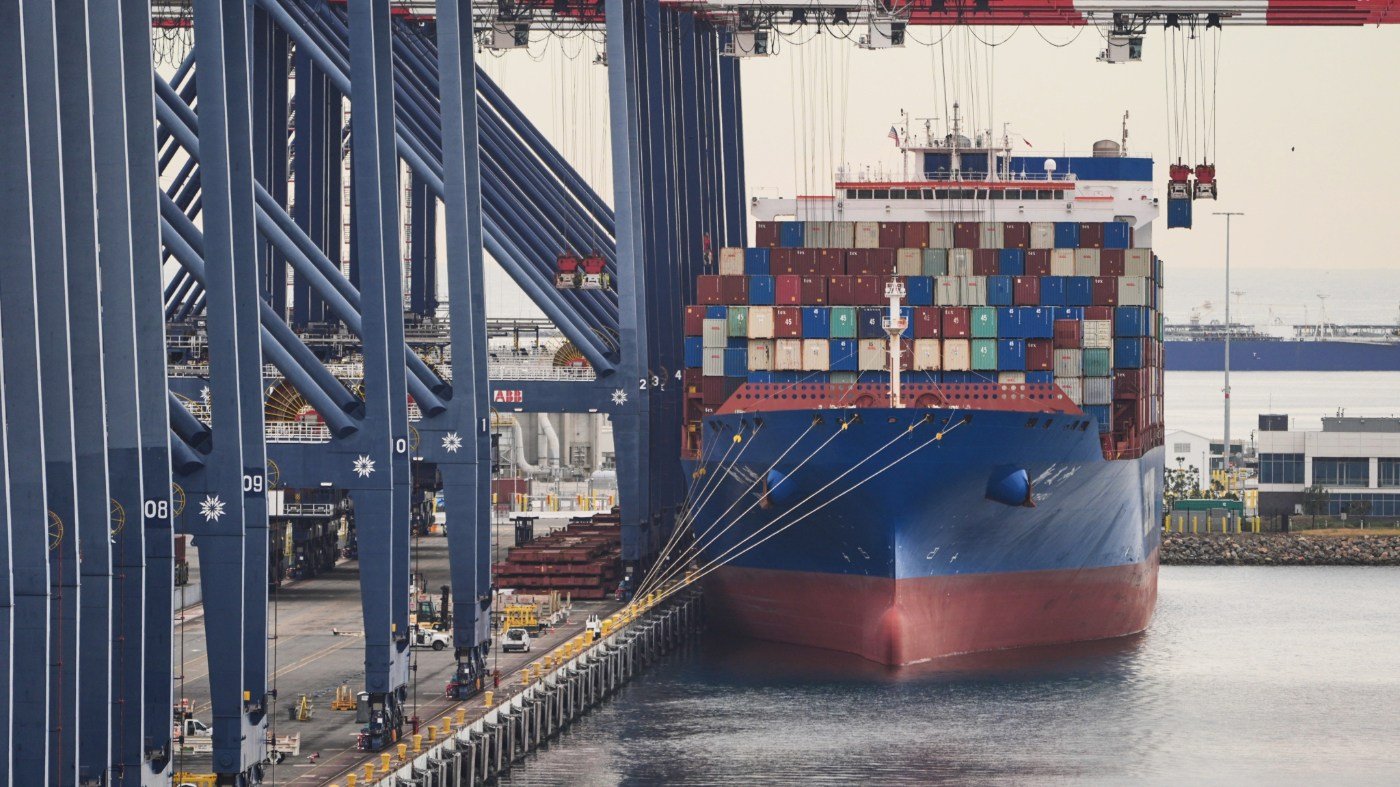
The recent election results signal a clear public appetite for an end to the trade wars and tariff unpredictability that have defined recent U.S. policy. The antidote to such chaos is a return to rules—rules that offer businesses the stability and foresight they need to operate, rules that protect consumers from sudden price spikes due to arbitrary levies, and rules that reassure current trading partners that they will not be treated as adversaries based on the whims of a single leader.
Public sentiment aligns with this view. A Council on Foreign Relations poll found that 49% of Americans believe fair trade means all countries adhere to the same set of rules. The question is where to find such rules. The answer, according to trade experts, lies not in reinventing the wheel but in recommitting to the extensive rulebook of the World Trade Organization (WTO). This framework, largely shaped by U.S. economic interests, remains the most effective baseline for American economic engagement globally, even if it requires supplementation or occasional departure.
The WTO rulebook is comprehensive, covering non-discriminatory treatment of imports, commitments to curb and remedy harmful subsidies, transparent regulatory processes, efficient customs procedures, and market access for services. These rules are not the product of an unaccountable bureaucracy; they were negotiated by member states through consensus. Compliance is not an abstract allegiance but a practical means to avoid economic harm and reduce frictions that can undermine broader cooperation.
Critics rightly point to the WTO's inability to address modern challenges such as Chinese overcapacity, supply chain resilience, and geopolitical fragmentation. However, this does not diminish the value of existing rules. Roughly 70% of global trade still occurs under WTO rules, underscoring their continued relevance. As noted in testimony before the House Ways and Means Trade Subcommittee, a less obstructionist stance by a few members could unlock progress on agreements that would partially restore the WTO's role as a negotiating forum.
The dispute settlement system, though currently hobbled by the U.S. blockade of the Appellate Body since 2019 over concerns of judicial overreach, remains crucial for preventing trade wars. Losing parties are more likely to accept outcomes they view as fair, and retaliation is limited to the impact of the offending measure. While restoring the system would be valuable, compliance largely persists due to mutual interest in stable trade relations.
Given the difficulty of negotiating new rules, supplemental arrangements may be necessary. But they should build on the WTO baseline, which offers unmatched breadth of membership and issue coverage. The U.S. must articulate clear criteria for any departures from WTO rules—such as targeting countries that use non-market policies to dominate sectors and weaponize that dominance. This clarity would highlight deficiencies in the current system while reassuring partners that any deviations are predictable and limited, not directed at them.
Rebuilding trust, eroded by recent tariff policies and rhetoric, is essential. As Canadian Prime Minister Mark Carney's statements illustrate, allies are wary. The U.S. must restore tariff policies that distinguish between friends and adversaries, rein in presidential tariff authorities, and demonstrate a commitment to rules as a baseline, even if departures are sometimes necessary. Such a recommitment to the WTO is vital for answering both how to reach new arrangements and what to do in the meantime. Without it, the chaos of retreat from rules will persist, undermining global economic stability.

