The World Health Organization is demanding more transparency from Moscow following the death of a young researcher at a Siberian plague laboratory, with reports of a second potential infection adding urgency to the request.
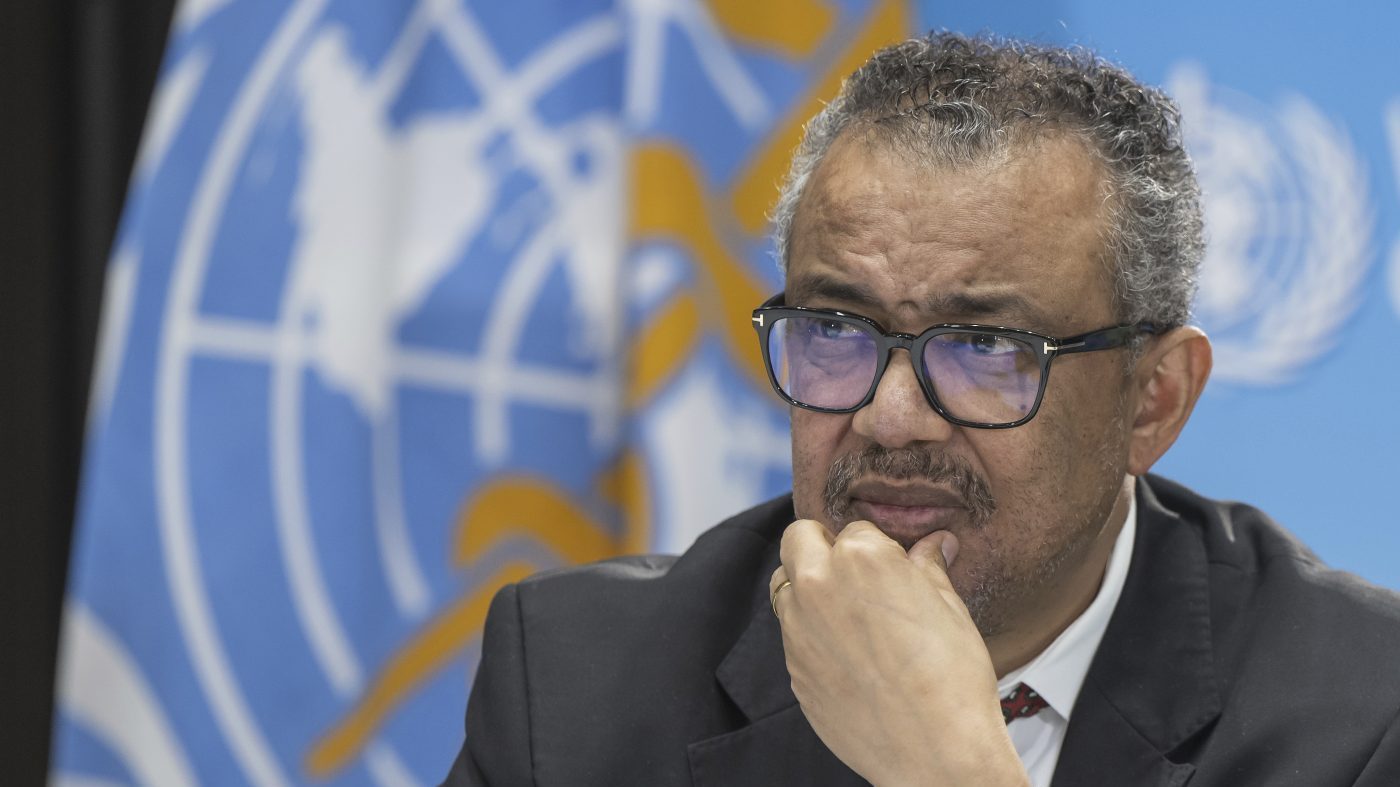
WHO Director-General Tedros Adhanom Ghebreyesus issued a statement Tuesday saying the agency had formally asked Russian authorities to clarify the circumstances surrounding the fatal case of pneumonia that killed a 28-year-old worker at the Irkutsk Anti-Plague Research Institute last week.

“Timely, complete and transparent information sharing under the International Health Regulations is essential to clarify conflicting reports and enable an accurate assessment of potential public health risks,” the statement read.
The worker died on Oct. 2 after being hospitalized with severe pneumonia, following unconfirmed reports of an accidental exposure in the lab. Russian officials have not publicly identified the pathogen responsible or explained how the infection occurred.
The case has drawn international attention, including from former President Donald Trump, who called it “concerning” and said he planned to discuss the matter with Russian President Vladimir Putin “very soon.” The Kremlin, however, disputed that any such call had been scheduled.
According to Ghebreyesus, Russian health authorities have told the WHO that no plague cases have been recorded recently in the Irkutsk region and that an epidemiological investigation has been launched. Officials said contacts of the deceased worker were tested and placed under medical observation, with no high-threat pathogens detected so far. Roughly 200 people were initially quarantined as part of the response.
The WHO chief said his team remains in contact with Russian officials and has offered technical support, but is seeking additional information about the cause of the pneumonia, the pathogen that triggered the public health alert, and reports involving a second employee.
Kremlin spokesman Dmitry Peskov dismissed much of the media coverage as false, directing the public to information provided by Rospotrebnadzor, Russia's consumer safety watchdog. He also pushed back on Trump's claim of a planned phone call, saying no such conversation had been arranged.
This incident has renewed global concern about biosafety protocols in Russian laboratories, particularly those handling dangerous pathogens. The U.S. State Department has previously reaffirmed a do-not-travel advisory for Russia in the wake of the suspected plague death, and some lawmakers, including Senator Marco Rubio, have pressed Moscow for more details on the outbreak.
While plague remains rare in modern times, it is not unheard of, as recent cases in the United States have shown. The WHO's insistence on full disclosure reflects the high stakes of any potential pathogen release.