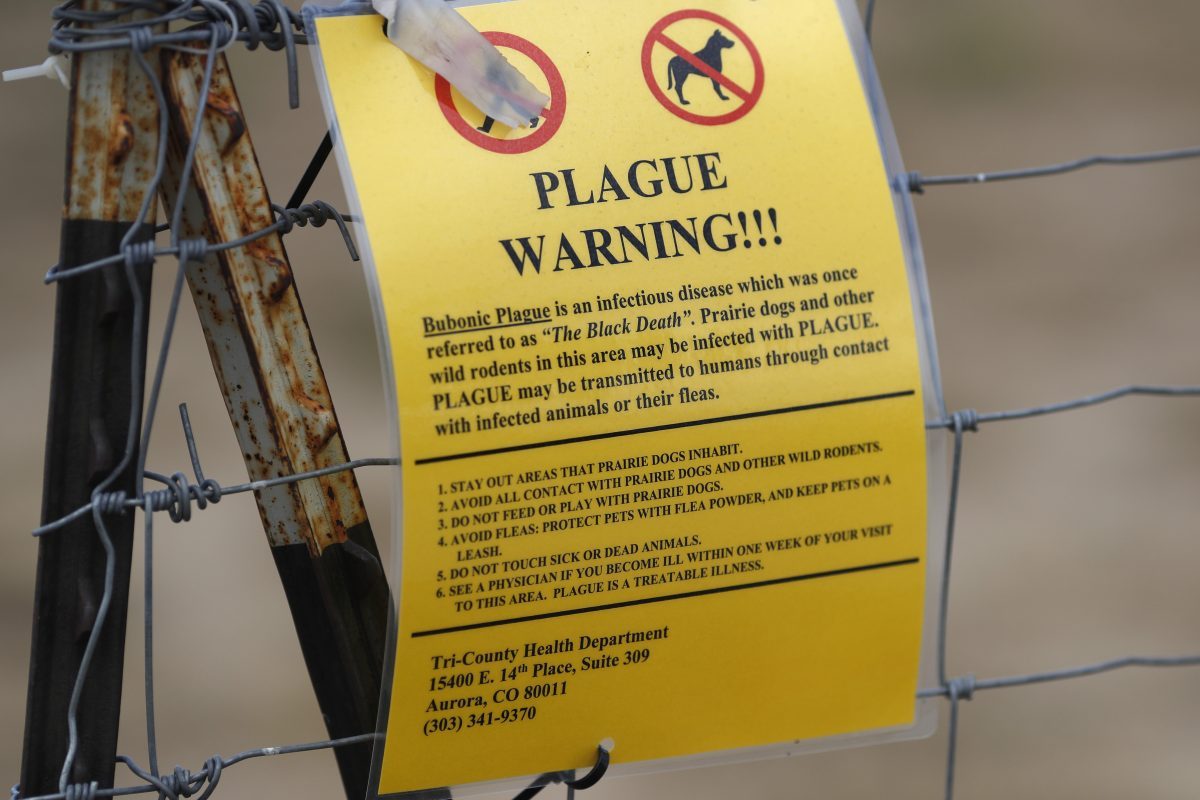
Federal health authorities are tracking a suspected plague outbreak in Russia, but they stress that the situation does not warrant public alarm. Still, the disease's near-certain fatality if untreated has renewed scrutiny on a pathogen that many Americans assume is a historical footnote.
In the United States, person-to-person transmission of plague has not occurred in over a century, according to the Centers for Disease Control and Prevention. However, isolated cases continue to surface. Earlier this year, a woman in New Mexico died of the plague, state health officials confirmed. That followed a pneumonic plague death in Arizona in 2024.

CDC data from 2000 through 2023 shows that human plague cases in the U.S. have ranged from zero to 17 per year, with an average of about seven. Most infections are reported in rural areas of the Southwest, particularly in New Mexico, Arizona, Colorado, and California.
The recent deaths come as U.S. officials have been pressing Moscow for details on a suspected case involving a lab worker. The White House has also expressed concern over the Russian case, with President Trump offering U.S. assistance.
Plague's Persistent Presence
Plague is caused by the bacterium Yersinia pestis, which circulates among wild rodents and their fleas. Humans typically contract the disease through flea bites or direct contact with infected animal tissue. The three main forms are bubonic, septicemic, and pneumonic — the latter being the most virulent and the only form that can spread from person to person via respiratory droplets.
Although pneumonic plague is particularly dangerous, prompt antibiotic treatment significantly improves survival odds. Public health officials emphasize that the risk to the general public remains extremely low, even in endemic regions.
Surveillance and Response
The CDC and state health departments maintain surveillance systems to detect plague activity in animal populations and human cases. In the Southwest, officials regularly test rodent populations and issue advisories when infected fleas are found. Residents are urged to avoid contact with wild rodents, especially sick or dead ones, and to use insect repellent to prevent flea bites.
The recent deaths underscore the need for continued vigilance, even as the disease remains rare. “Plague is not something we see often, but it is still with us,” said a CDC spokesperson. “Our surveillance and response systems are designed to catch cases early and prevent wider spread.”
For context, the U.S. has not seen a plague epidemic in modern times, but the disease's persistence in animal reservoirs means occasional human cases are inevitable. The last urban plague epidemic in the U.S. occurred in Los Angeles in the 1920s. Since then, cases have been sporadic and mostly confined to rural areas.
While the Russian outbreak has put hundreds under observation, U.S. health officials have not changed domestic guidelines. Travelers to plague-endemic regions, including parts of Africa, Asia, and South America, are advised to take precautions similar to those recommended in the American Southwest.
As the world watches the Russian situation, the recent U.S. deaths serve as a reminder that plague is not merely a relic of the Middle Ages. It remains a rare but real public health concern, one that requires constant monitoring and rapid response to keep it in check.