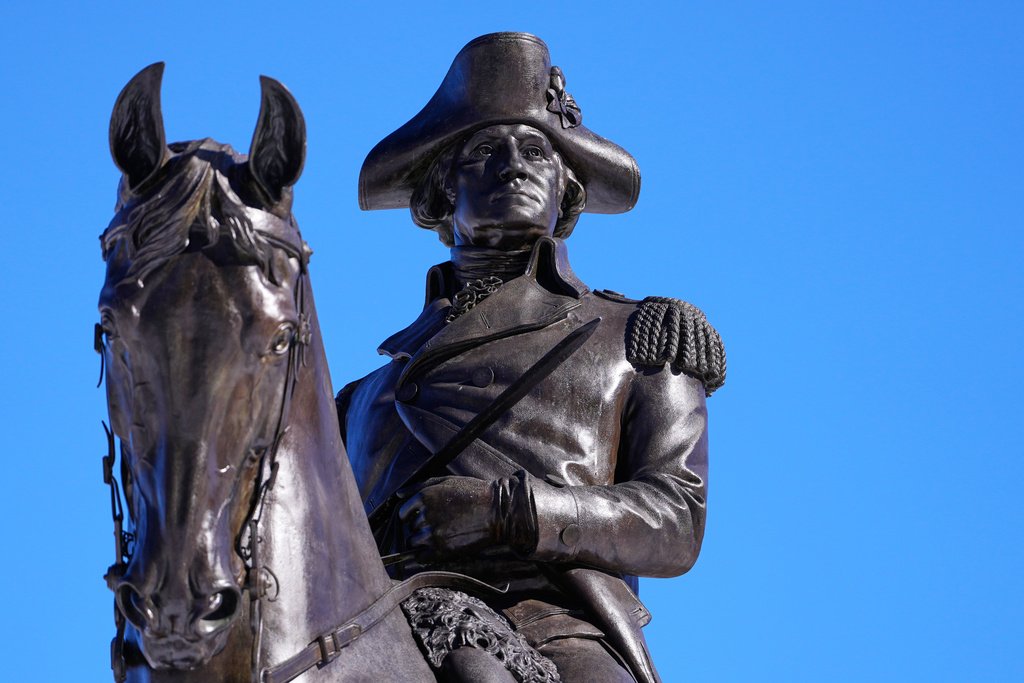
On April 30, 1789, George Washington took the oath of office in New York City, setting a precedent that resonates more urgently today than ever. In his First Inaugural Address, he defined the presidency not by what it could do, but by what it must refuse to become—a distinction between capacity and restraint that current political debates sorely need.
Two passages from that speech deserve renewed scrutiny. First, Washington declared an "indissoluble union between virtue and happiness, between duty and advantage, between the genuine maxims of an honest and magnanimous policy, and the solid rewards of public prosperity and felicity." Second, he declined personal profit from the office, asking that compensation be limited to "actual expenditures as the public good may be thought to require." These were not ceremonial niceties; they formed a governing framework.

Washington's first claim is deceptively simple: ethics and outcomes are inseparable. A nation that tolerates dishonesty or self-dealing at the top cannot sustain long-term prosperity. Virtue, in his view, was not a moral accessory but a functional requirement. Public trust was not a byproduct of success but a precondition for it. This idea runs counter to the transactional view of modern politics, where results are often divorced from means. Washington rejected that separation outright, insisting that duty and advantage align—and that abandoning one forfeits the other.
The second passage operationalizes that philosophy. His refusal of emoluments was not modesty; it was institutional design. The young republic had just broken from a monarchy where power and wealth intertwined. Washington understood that the presidency would be legitimate only if it was visibly a public trust. He removed himself from any perception of personal benefit, setting a standard tested unevenly over centuries.
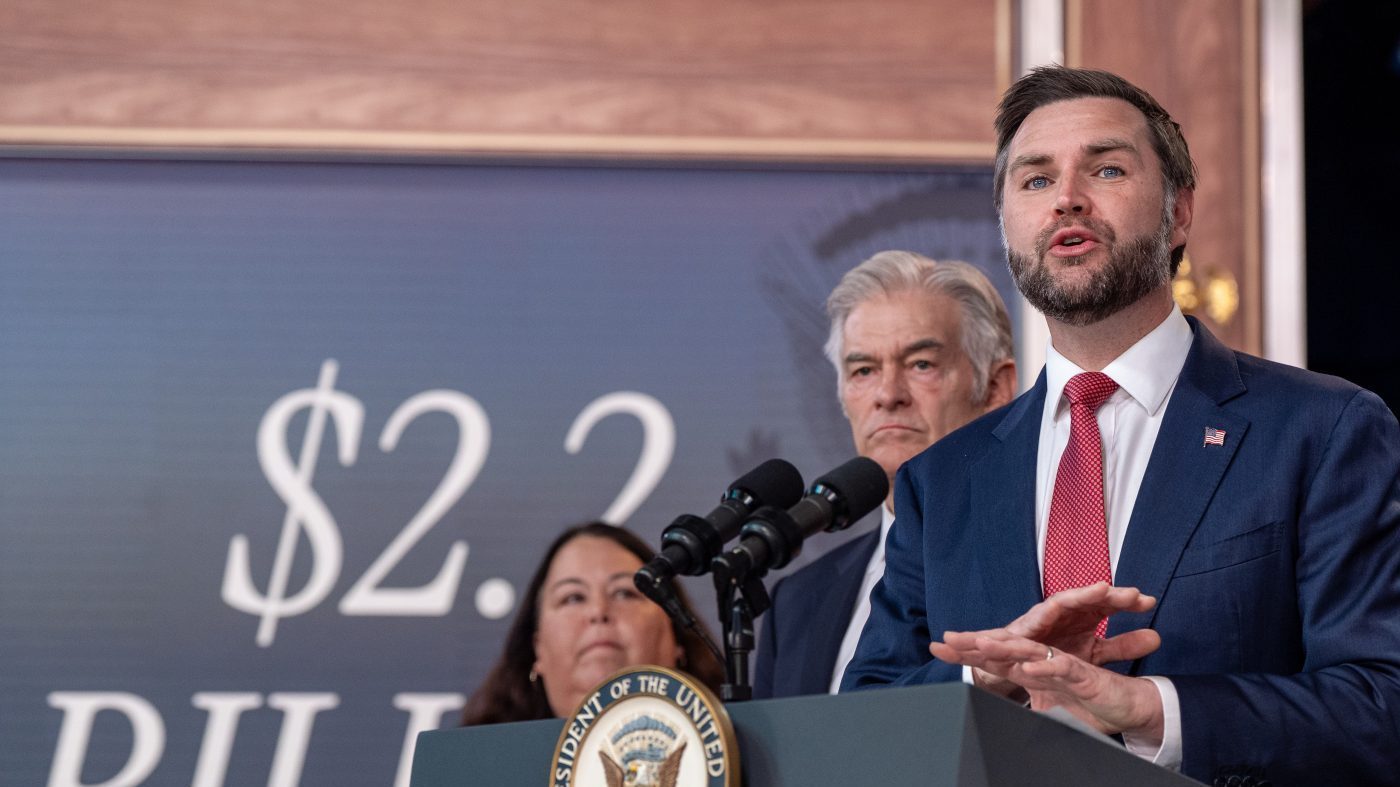
Which brings us to the present. In recent years, the presidency has been viewed by some as an expansive instrument of personal authority rather than a constrained office. President Trump has articulated that view, framing presidential power in sweeping terms and resisting the notion that restraint is defining. His business interests—spanning real estate, branding, media, and ventures like cryptocurrency—have raised persistent questions about the line between public duty and private gain. Supporters argue this reflects results-oriented pragmatism, unburdened by outdated norms. Critics see a blurring of boundaries that Washington made unmistakable.
This is not a debate about style or decorum. It is about the structural integrity of the office. Washington's framework suggests a republic's health depends less on laws than on the discipline of those entrusted to execute them. Laws can constrain behavior but cannot substitute for character. If leaders view the office as an extension of themselves—their will, interests, and advantage—the system bends around that idea. Systems that bend far enough around one person's will do not snap back when that person leaves.
It is tempting to treat Washington's words as artifacts of a gentler era, disconnected from modern political realities. That would be a mistake. The scale, speed, and visibility of today's environment make his insights more relevant. The stakes are higher; the consequences of ethical erosion travel faster. The question Washington posed—quietly but unmistakably—is still central: Is power something to be exercised to its limits, or disciplined by principle?
No statute can fully answer that. It is answered by the choices of individuals who hold office and the expectations we set for them. We would do well to move beyond ritual remembrance and return to Washington's standard—not because it is nostalgic, but because it is practical. A republic that loses the connection between virtue and advantage becomes less stable. Washington saw this from the start. The only question is whether we do now.
For more on how leadership shapes Washington's political culture, see our coverage of recent turmoil in the capital and the united appeal by former presidents to preserve democratic norms.