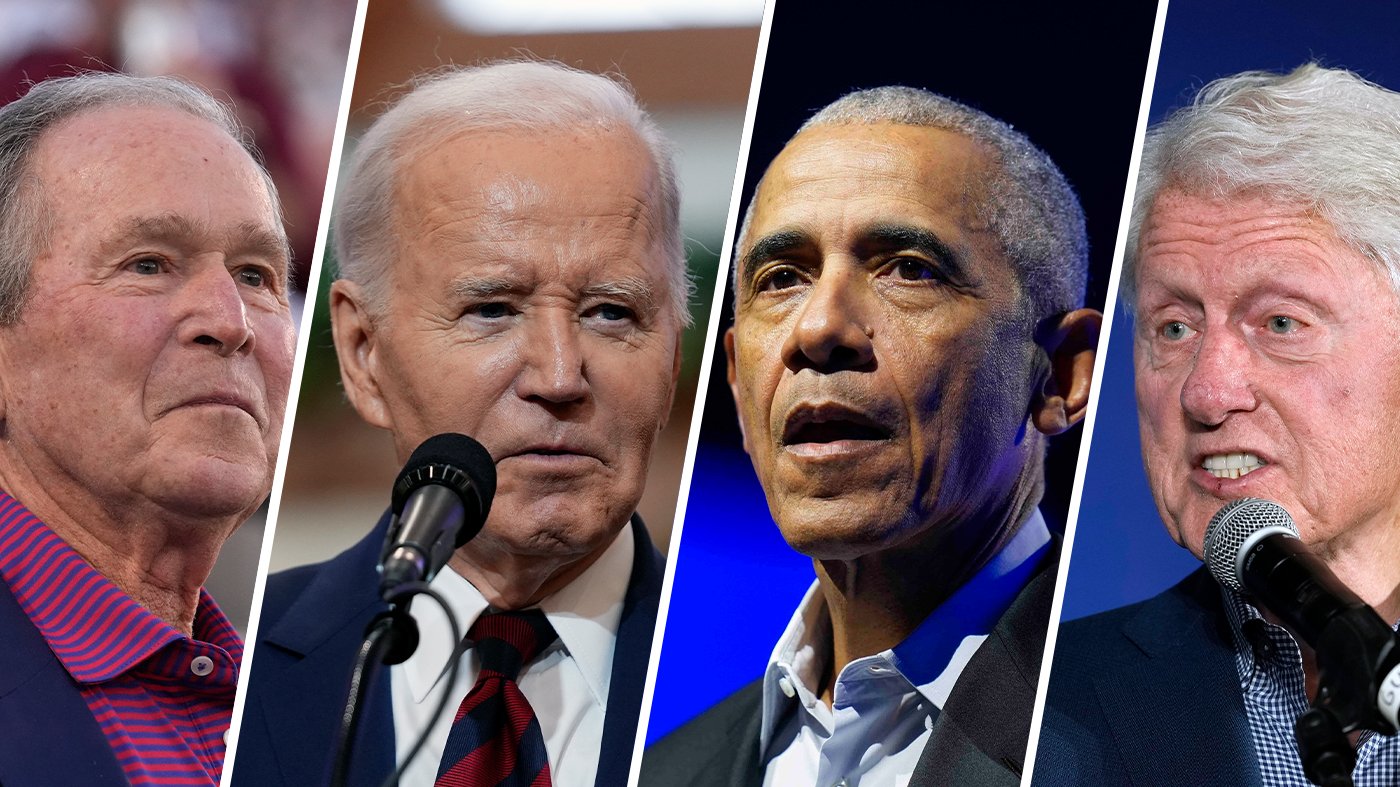
As the United States approaches its 250th anniversary this July, the nation's four living former presidents have collectively issued a rare, unified call for national perseverance and civic renewal. In separate remarks delivered as part of a History Channel event in Philadelphia, Bill Clinton, Barack Obama, George W. Bush, and Joe Biden framed the semiquincentennial as a pivotal moment for reflection on the country's democratic endurance and future trajectory.
A Call Against Cynicism
Former President Bill Clinton delivered a direct message aimed at countering national disillusionment. "My central plea is this: do not abandon faith in America," Clinton stated in an interview with Jenna Bush Hager that aired on NBC. He emphasized the historical significance of the American experiment, noting, "We now hold the record for the longest-lasting freely elected government in history. Many doubted we would reach this milestone." Clinton, 79, argued that extending this record requires a conscious choice favoring "cooperation over perpetual conflict" and an acceptance that political participation involves both victory and defeat.
Ideals for the Next Quarter-Millennium
Former President Barack Obama outlined the conditions he believes are necessary for the republic to thrive another 250 years. When asked by Hager for his anniversary message, Obama expressed confidence in America's capacity for longevity, contingent on public adherence to core principles. "If we remain faithful to the foundational idea—that we, the people, have been entrusted with self-government—if we honor our responsibilities, and if we extend respect and consideration to our fellow citizens, even amidst disagreement, we will succeed," Obama said. The 44th president stressed that a healthy democracy requires citizens to "resolve differences through peaceful, lawful processes."
From Spectator to Citizen
George W. Bush offered a tripartite admonition focused on historical awareness and active participation. Speaking to his daughter, the 43rd president said, "My counsel is to recognize your fortune in being part of a great nation." He urged Americans to "study our history to better anticipate the future" and, crucially, to "be a citizen, not a spectator." Bush, 79, elaborated that this means "engaging in the political process and practicing the ethic of loving your neighbor as yourself."
Uniqueness and Underlying Unity
Former President Joe Biden highlighted the nation's constitutional framework and argued that perceived divisions are overstated. "Our nation's uniqueness lies in our genuine belief that democracy is governed by Constitutional rule," Biden said. "We hold that all are created equal and entitled to opportunity. Focusing on that principle fosters growth rather than fracture." The 46th president, 83, concluded, "We are not nearly as divided as our political portrayal suggests," pointing to a reservoir of common purpose that he believes can be tapped.
The coordinated messages arrive during a period of intense political polarization, serving as a pointed counter-narrative to voices advocating for institutional disruption or questioning democratic norms. The event itself, held in the city where the Declaration of Independence was signed, was steeped in symbolic weight.
This collective appeal from the former commanders-in-chief underscores a shared, cross-partisan anxiety about the nation's civic health at a historic juncture. Their remarks implicitly respond to current political tensions, including the escalating rhetoric noted by critics of the current presidential campaign. The call for studied citizenship also intersects with ongoing policy debates, such as those surrounding the widening opportunity gap for younger Americans, which affects long-term civic engagement.
While not addressing specific policies, the former presidents' focus on unity and process stands in contrast to the nation's external challenges, including deep-seated international mistrust as highlighted ahead of sensitive diplomatic talks. Their unified front presents the semiquincentennial not merely as a celebration, but as a summons to deliberate action to secure the democratic project for centuries to come.