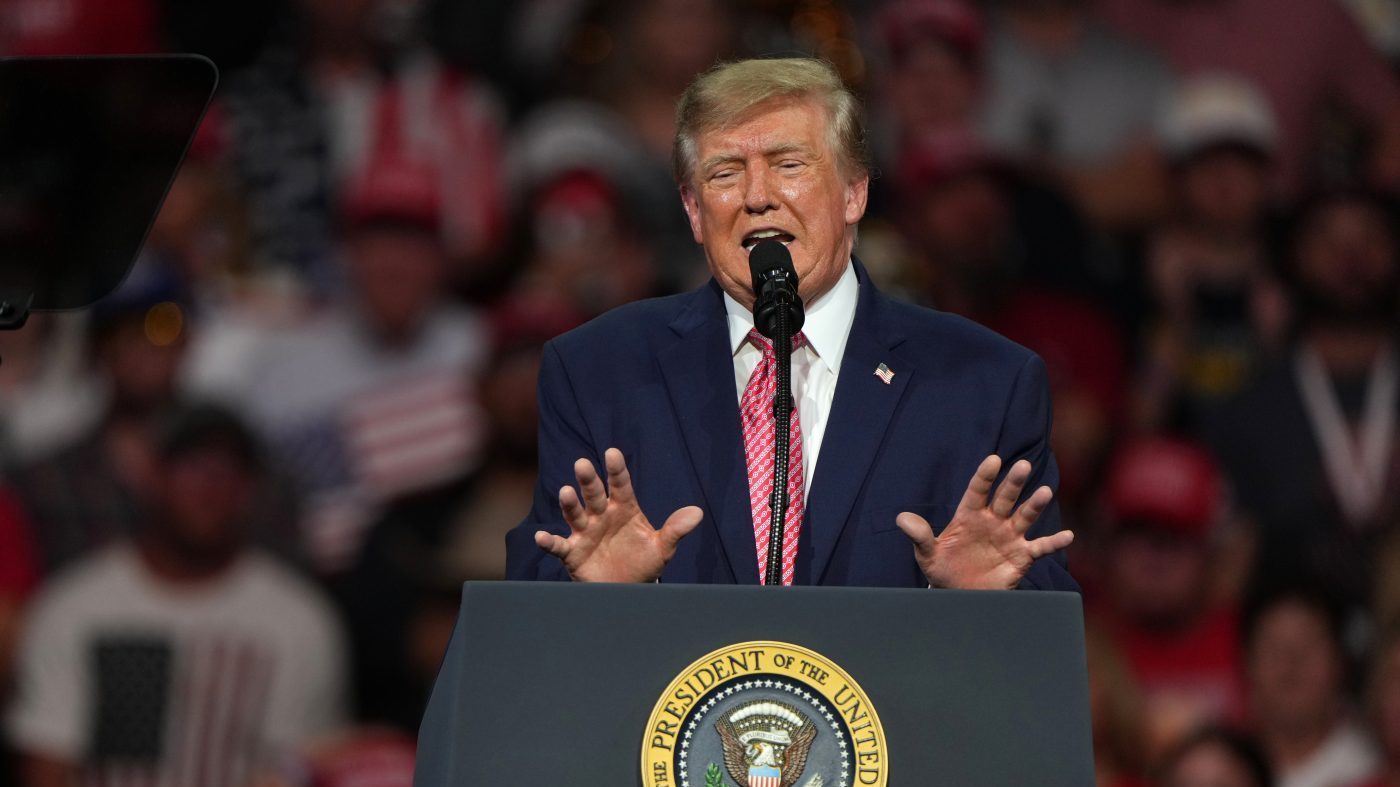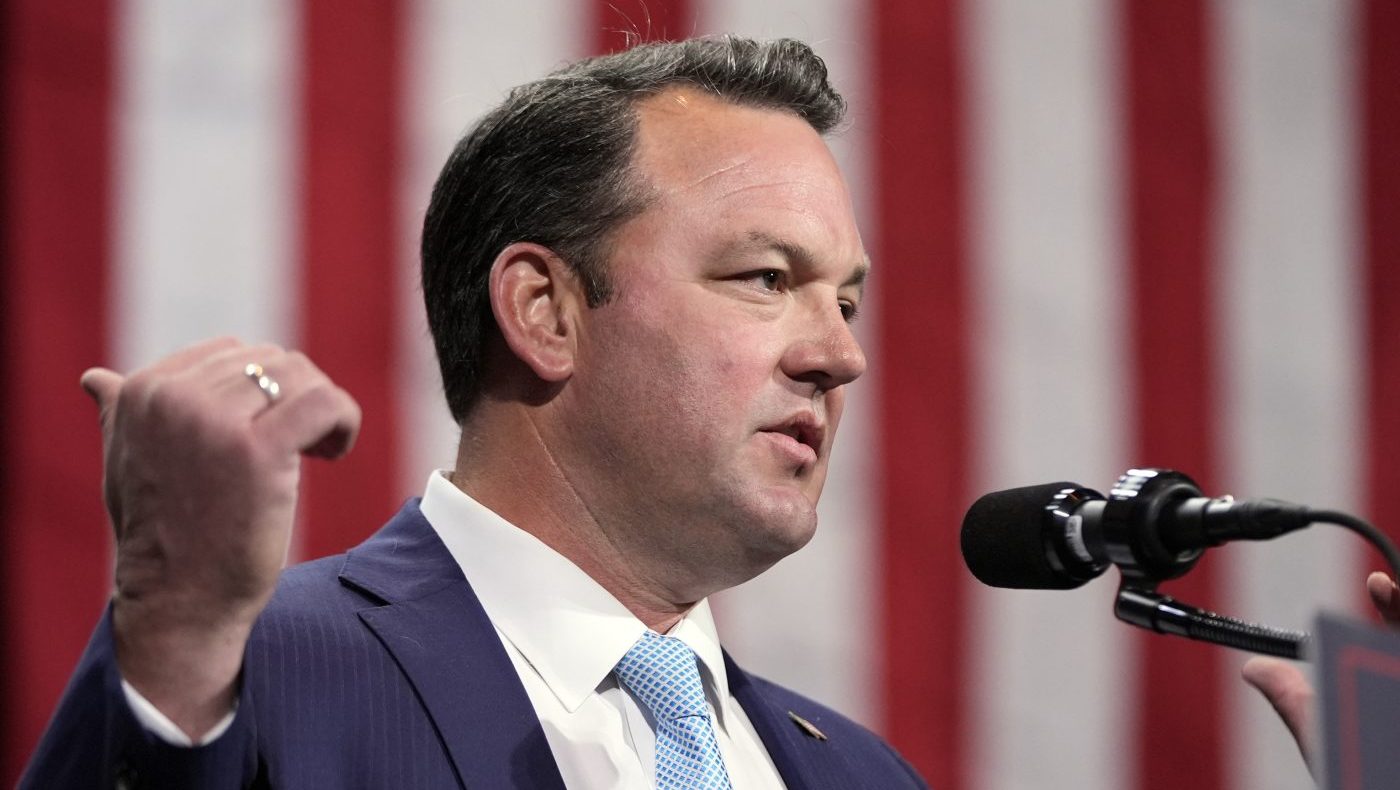
A fresh Atlanta Journal-Constitution survey released Thursday shows the Georgia Republican gubernatorial primary tightening into a two-man race, with healthcare executive Rick Jackson holding a narrow 2.4-percentage-point lead over Lieutenant Governor Burt Jones. With less than three weeks until primary day, the poll underscores a fluid contest that remains up for grabs.
According to the survey, 27.2% of likely GOP primary voters back Jackson, a first-time candidate who jumped into the race in February. Jones, who landed former President Donald Trump's endorsement in August before Jackson entered the field, garnered 24.8% support. The margin of error stands at 3.1 percentage points, making the race statistically tied.
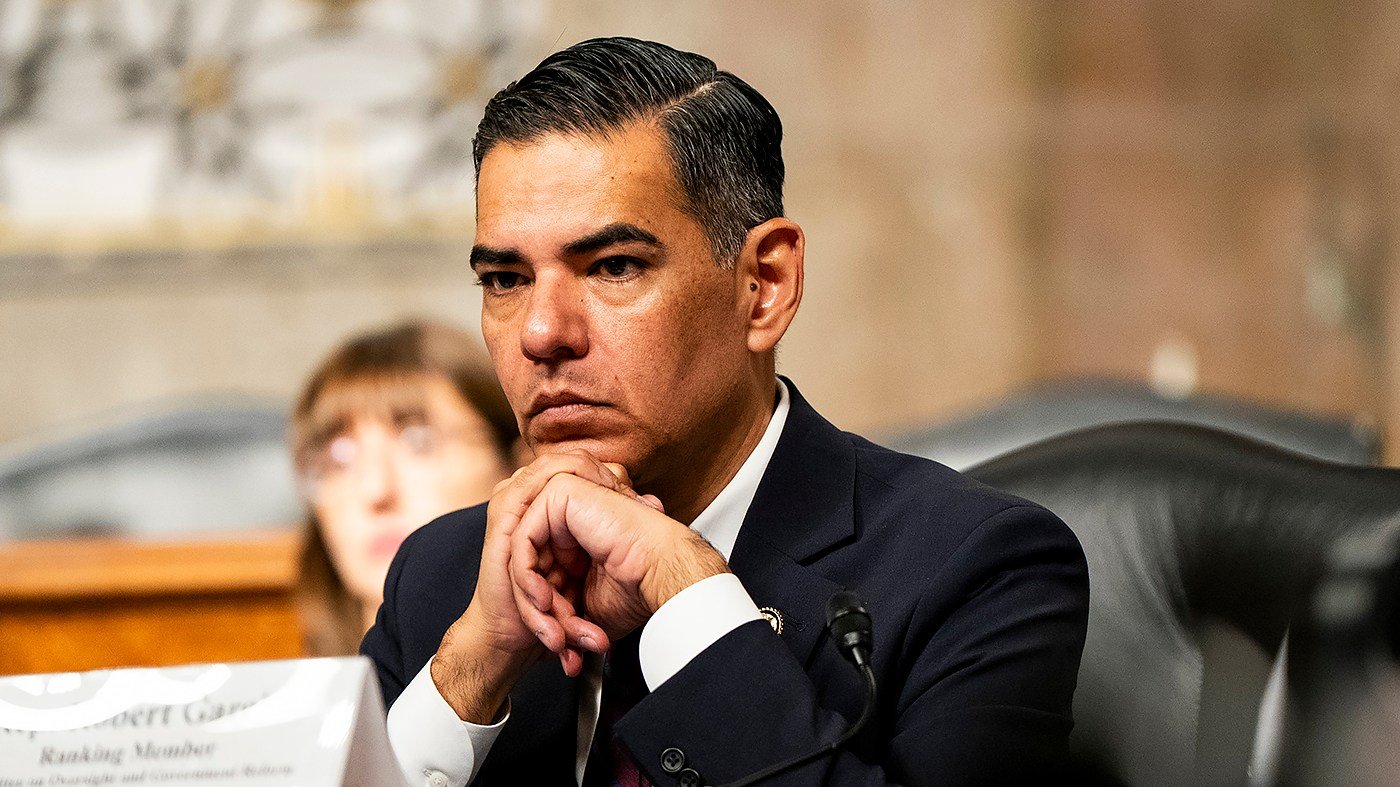
Secretary of State Brad Raffensperger, who defied Trump's demands to overturn Georgia's 2020 election results, sits in third place with 14% support. Attorney General Chris Carr and political newcomer Thomas Williams trail with 2.9% and 0.5%, respectively. A significant 30% of respondents remain undecided, signaling potential volatility as the campaign enters its final stretch.
Early voting for the May 19 primary began Monday and runs through May 15. Raffensperger's office reported that 35,352 Georgians cast ballots in person on the first day—a record for a midterm primary election. The high turnout suggests intense interest in the race, which has already seen massive spending: Jackson has poured about $56 million into his campaign, while Jones and his leadership committee have spent roughly $26 million combined.
On the Democratic side, a separate Emerson College poll conducted in late February found former Atlanta Mayor Keisha Lance Bottoms leading with 35% support, followed by former Republican Lieutenant Governor Geoff Duncan at 13% and former DeKalb County CEO Michael Thurmond at 7%. Nearly 40% of Democratic primary voters were undecided at the time.
The Republican primary has been marked by sharp divisions over Trump's influence and election integrity. A recent heated debate highlighted these fractures, with Jones defending his Trump endorsement while Jackson positioned himself as a political outsider. Raffensperger's refusal to overturn the 2020 results remains a central fault line.
If no candidate secures a simple majority on May 19, the top two finishers will advance to a runoff on June 16, with early voting running from June 8-12. The possibility of a runoff adds another layer of uncertainty to an already unpredictable race.
The Atlanta Journal-Constitution poll, conducted by the University of Georgia's School of Public and International Affairs, surveyed 1,000 likely GOP primary voters by phone. The findings reflect a contest that remains highly competitive, with Jackson's self-funded campaign and Jones's establishment backing creating a classic outsider-versus-insider dynamic.
As the primary nears its climax, both campaigns are expected to intensify outreach to undecided voters, who could ultimately decide the outcome. The race in Georgia mirrors broader national trends, with similar dynamics playing out in other GOP primaries, such as the Michigan gubernatorial contest where businessman John James has surged to the lead.