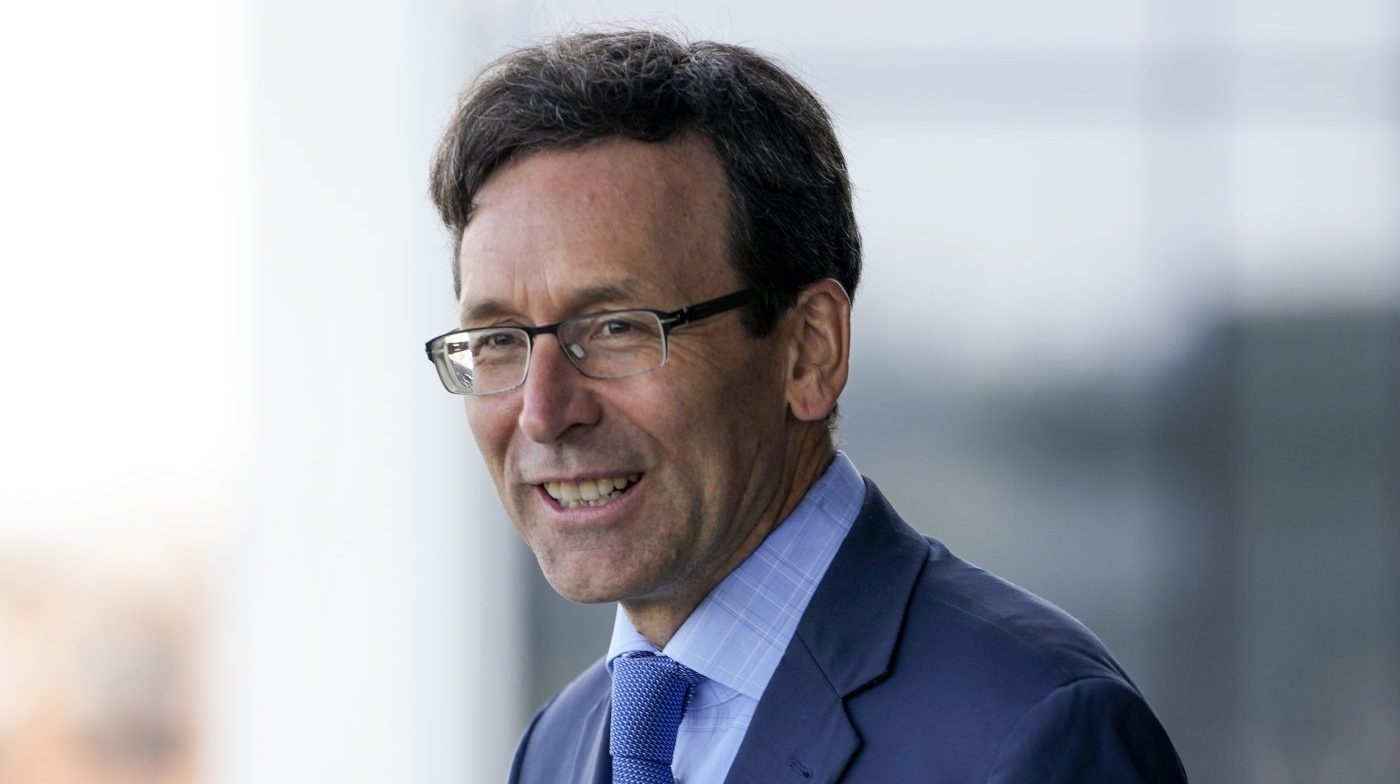
Washington Governor Bob Ferguson (D) confirmed on Sunday that he had direct conversations with President Trump and Homeland Security Secretary Markwayne Mullin regarding the catastrophic wildfires currently ravaging the state. The first-term governor took to social media platform X to disclose the discussions, emphasizing the severity of the situation.
In his post, Ferguson stated that he "detailed how dire and devastating the situation is in Spokane and across our state" during his call with the president and the secretary. He added that the president is aware of the crisis and expressed concern for Washington residents. Ferguson noted that they would collaborate on additional federal assistance requests.
The scale of the disaster is immense: according to Wildfire Trackers, there are 14 active fires near Spokane, ranging from small blazes to a massive 7,708-acre inferno—roughly nine times the size of Central Park. Air quality in the region has deteriorated to unhealthy levels, as reported by the state's Department of Ecology on Monday.
The human toll is staggering. Washington Commissioner of Public Lands Dave Upthegrove told CNN that the fires have destroyed more than 700 homes and forced nearly 65,000 families to evacuate. This is a displacement crisis that will require sustained federal and state coordination.
Earlier on Sunday, the Federal Emergency Management Agency (FEMA) approved Washington's request for Fire Management Assistance Grants (FMAGs) for three specific fires: the Sinlahekin Fire in Okanogan County, the Fairview Fire in Stevens County, and the Autumn Lane Fire in Spokane County. These grants are critical for covering up to 75% of eligible firefighting costs, including field camps, equipment, and mobilization activities.
FEMA noted that these fires threaten essential infrastructure, including state-owned dams, a wastewater treatment plant, raw water reservoirs, and a major power transmission line serving roughly half of Okanogan County. Schools are also at risk. The agency clarified that FMAGs do not provide direct assistance to homeowners or business owners, which may be a point of concern for those affected.
The governor's outreach to the president comes amid a broader political climate where disaster response and federal coordination are under scrutiny. This is not the first time Ferguson has had to navigate such high-stakes communications; his handling of this crisis will likely be a defining moment of his tenure.
As the fires continue to burn, the immediate priority is protecting lives and property. But the long-term recovery—and the political implications of federal support—will be closely watched by observers and constituents alike.