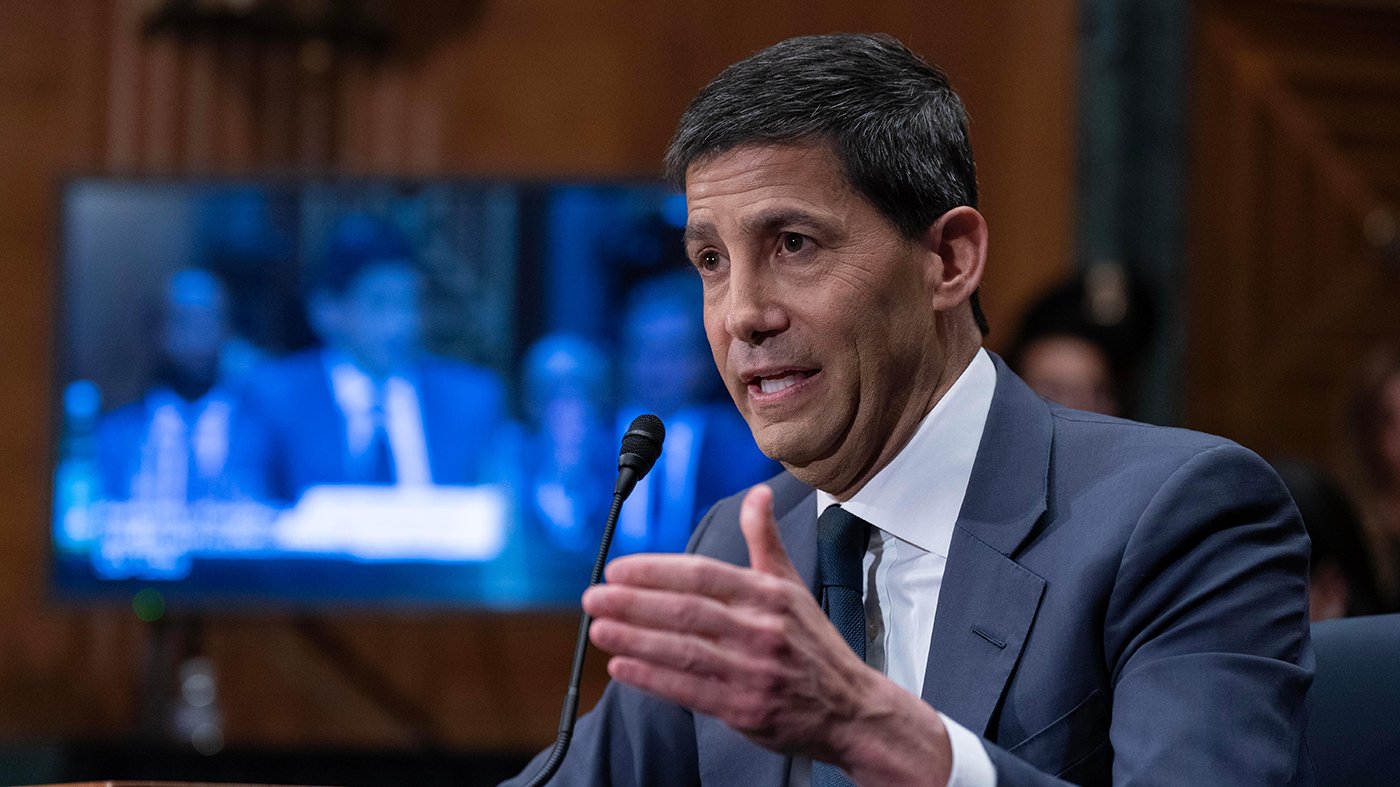
The Federal Reserve held interest rates steady Wednesday, marking a cautious start for new Chair Kevin Warsh at his first rate-setting meeting. The Federal Open Market Committee unanimously voted to keep the benchmark rate between 3.5 and 3.75 percent, a shift from May’s divided vote that saw four dissents.
Warsh, confirmed by the Senate last month, now faces a delicate balancing act. President Trump has been pushing for rate cuts, but inflation hit a three-year high in May, surging to 4.2 percent year-over-year according to the consumer price index. The spike, driven largely by the war with Iran, has pushed energy and other goods prices sharply higher. That’s a steep jump from February’s 2.4 percent annual rate.
The conflict with Iran has choked shipping through the Strait of Hormuz since February, sending oil prices above $100 a barrel. An expected memorandum of understanding to end the war, set to be signed Friday, could reopen the waterway. Oil has already eased to around $77 a barrel, and the average U.S. gas price dipped to $4.03 a gallon. But experts warn that relief at the pump may be slow to materialize, with elevated prices likely for months.
Alongside a hotter-than-expected May jobs report, the odds of rate cuts this year are fading. Instead, hikes are becoming a real possibility. The Fed’s latest economic projections show eight FOMC members expect rates to stay put, nine anticipate hikes of varying degrees, and only one sees a single quarter-point cut.
That puts Warsh in a difficult position. Trump has repeatedly called for lower rates, even suggesting in April he’d be disappointed if Warsh didn’t cut immediately. The dynamic echoes the tension between Trump and Warsh’s predecessor, Jerome Powell, whom the president often accused of being too slow to ease policy. Powell drew Trump’s ire so intensely that the president threatened to fire him multiple times.
The Department of Justice launched a criminal probe into Powell late last year over Fed renovations, but the investigation was closed in April as it became a roadblock to Warsh’s confirmation. Powell remains on the Fed’s board of governors, with a term running through January 2028. He has said he’ll stay until the probe is fully resolved. U.S. Attorney Jeanine Pirro has warned she could reopen the case depending on the Fed inspector general’s findings.
That creates an unusual situation at the central bank, with both the current and former chairs serving on the board. It also blocks Trump from appointing another governor more favorable to rate cuts, limiting his influence over monetary policy. The standoff leaves Warsh navigating between the White House’s demands and the reality of rising prices.
For now, the Fed is holding its ground, but the path ahead remains uncertain. The war’s end could bring some relief, but inflation pressures are likely to persist, keeping the central bank on alert.