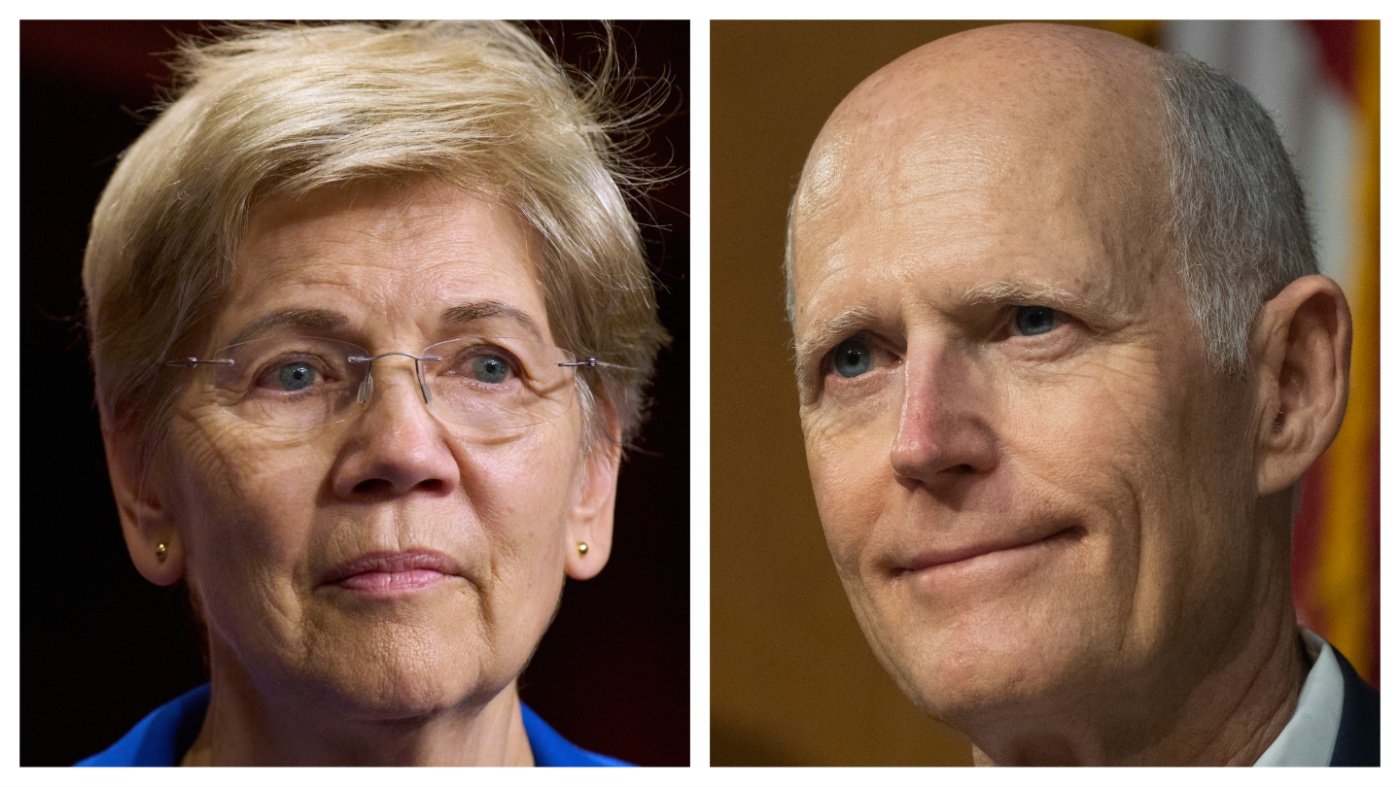
In an unusual alliance bridging the ideological divide, progressive Sen. Elizabeth Warren (D-Mass.) and conservative Sen. Rick Scott (R-Fla.) have introduced legislation that would permanently bar former members of Congress from working as registered lobbyists. The bill, called the Banning Lobbying and Safeguarding Trust Act, targets the so-called revolving door that has long eroded public confidence in Washington.
The measure would prohibit former senators and representatives from engaging in any activity requiring registration under the Lobbying Disclosure Act, including lobbying Congress or the executive branch. It also extends to any lobbying contacts, regardless of formal registration status, effectively barring former lawmakers from communicating with current members, staff, or legislative offices.
“It’s simple: Members of Congress should spend their time in Washington serving the American people, not preparing to cash in big time with a cushy lobbying career after they leave office,” Warren said in a statement. “It’s long past time to close the revolving door that’s corrupted our government and destroyed public trust in elected officials. This bipartisan bill is an important push to get that done.”
Scott echoed those concerns, noting that the public’s faith in institutions is at a historic low. “Trust in our institutions is at an all-time low, and the revolving door between Capitol Hill and K Street is a big part of that,” he said. “Our founders never intended public service to become a training ground for a lifetime of lobbying. Sen. Warren and I are working to end this practice once and for all.”
Under current law, former senators face a two-year cooling-off period before they can lobby their former colleagues, while former House members must wait just one year. The Warren-Scott bill would replace these waiting periods with a permanent ban. The legislation also empowers the Department of Justice to pursue both criminal and civil penalties. Simple violations could result in up to one year in prison, while knowing and willful violations could carry up to five years. Fines of up to $50,000 per transgression would apply.
The bipartisan push comes amid growing scrutiny of the influence industry on Capitol Hill. Critics argue that the current system allows former lawmakers to leverage their connections for lucrative post-service careers, undermining legislative integrity. This bill follows other efforts to tighten ethics rules, including debates over organ procurement metrics and budget battles that have highlighted the need for transparent governance.
The legislation has drawn attention from both sides of the aisle, though its fate in a divided Congress remains uncertain. Scott, a close ally of President Trump, and Warren, a leading progressive, have rarely collaborated on major legislation, making this partnership notable. Their bill arrives as public trust in government continues to waver, with redistricting battles and other political fights further straining confidence.
Supporters argue that a lifetime ban would restore faith in the institution, while skeptics question its enforceability and potential constitutional challenges. Nonetheless, the Warren-Scott proposal marks a significant step in the ongoing effort to curb the influence of money in politics.