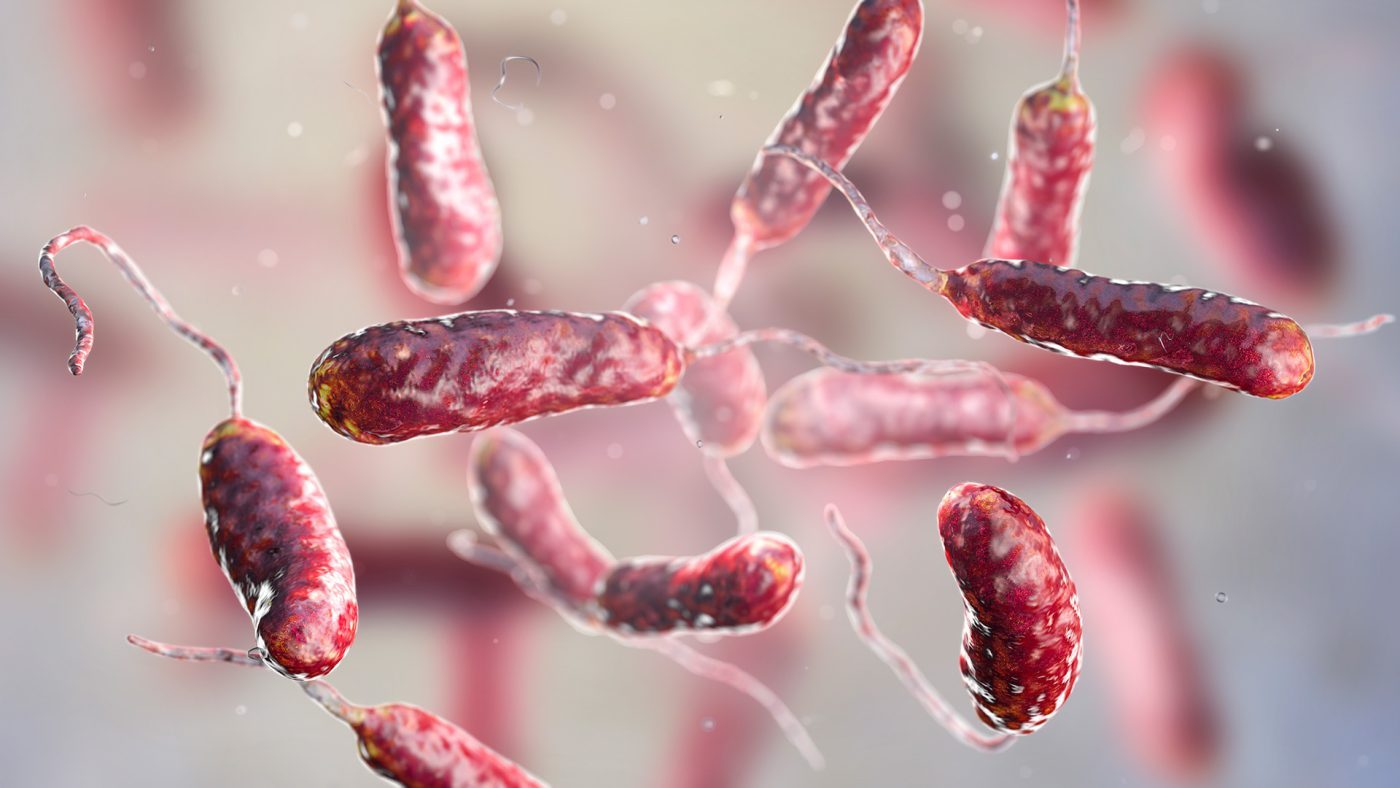
Climate change is redrawing the map for a dangerous pathogen. Vibrio bacteria, which thrive in warm brackish waters and can cause a severe “flesh-eating” infection, are increasingly being found in coastal areas that were once too cold for their survival. Scientists have documented the bacteria as far north as Maine, a shift that public health experts attribute to rising ocean temperatures.
Florida has historically reported the highest number of Vibrio cases in the United States, according to the University of Florida. But the pathogen’s expanding range is a growing concern for northern states. “Vibrio infections are one of the many incidental potential consequences of a warming climate,” said Tobias Dörr, an associate professor of microbiology at Cornell University. He noted that while overall case numbers remain relatively low, “there is a clear correlation between case load and ocean temperature reported in several studies — case rates tend to be highest in months where the water is the warmest.”

Dörr warned that continued warming could lead to more infections in the future. However, he offered a measure of reassurance: “The somewhat good news is that Vibrios did not specifically evolve to live in the human body, and a healthy immune system can in many cases fight off these bacteria.”
Most people contract Vibrio by eating raw or undercooked shellfish, particularly oysters, according to the Florida Department of Health. The bacteria can also enter the body through open wounds exposed to contaminated seawater. The Centers for Disease Control and Prevention estimates that about 80,000 people in the U.S. get vibriosis each year, with 52,000 of those cases linked to contaminated food. While most infections are not life-threatening, a more dangerous strain—Vibrio vulnificus—can cause necrotizing fasciitis, a severe infection often called “flesh-eating” disease. This strain kills about 1 in 5 infected individuals, sometimes within 48 hours.
State officials in Florida and Louisiana have already reported at least eight Vibrio-related deaths this year, highlighting the immediate risks in the South. The rising death toll in the South has prompted renewed warnings from health departments about avoiding raw shellfish and protecting open wounds in coastal waters.
The expansion of Vibrio is part of a broader pattern of climate-sensitive diseases moving into new areas. As sea surface temperatures climb, pathogens that were once confined to tropical and subtropical regions are appearing in temperate zones. This trend is not limited to the United States; similar shifts have been observed in Europe and Asia, where Vibrio infections have been reported in the Baltic Sea and along the coasts of China and Japan.
Public health officials are urging coastal communities to adapt. Monitoring programs that track water temperatures and Vibrio presence can help predict outbreaks, and clinicians are being advised to consider Vibrio infections in patients with relevant exposure histories, even in northern states. The spread of other pathogens beyond their traditional ranges serves as a reminder that climate change is reshaping disease dynamics in ways that require vigilance.
While the overall risk remains low for healthy individuals, the potential for severe outcomes—especially for those with compromised immune systems or chronic conditions—underscores the importance of preventive measures. As Dörr put it, “An increase in water temperature could therefore cause more infections in the future.”
For now, the message from health authorities is clear: be cautious with shellfish, cover open wounds when swimming in coastal waters, and seek medical attention promptly if you develop symptoms after exposure. As the climate continues to warm, the geographic boundaries of these bacteria are likely to keep shifting, making awareness and adaptation essential.