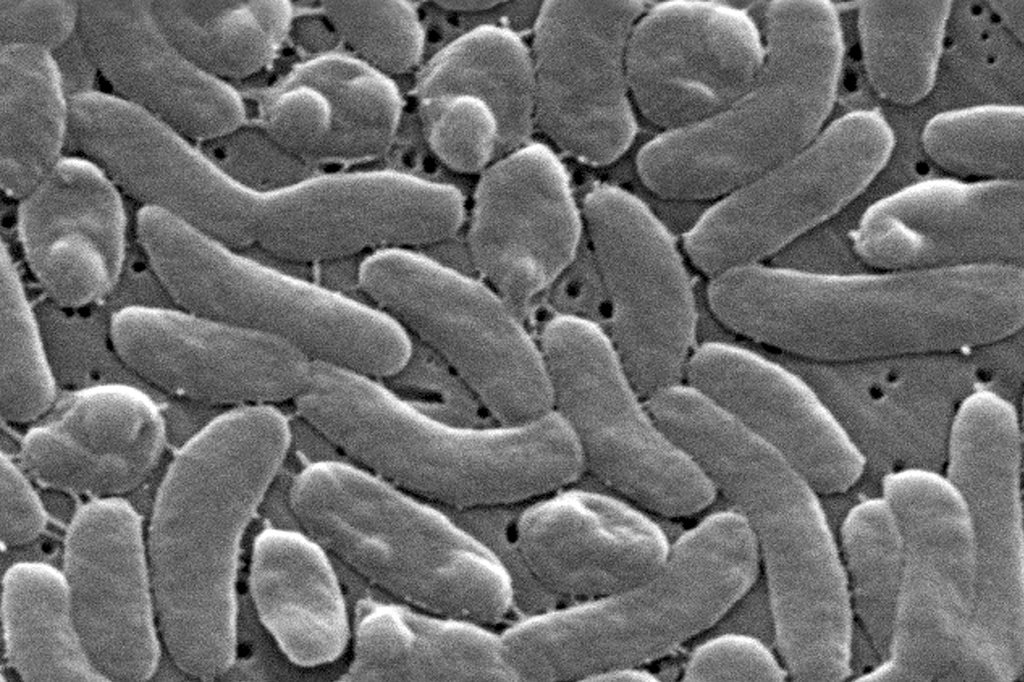
Health officials across the southern United States are urging caution after several new fatalities linked to Vibrio vulnificus, a bacterium that can cause severe, flesh-destroying infections. The deaths, confirmed in Florida and Louisiana, have renewed attention on the risks posed by this naturally occurring coastal pathogen.
Vibrio bacteria thrive in warm brackish waters and are most commonly contracted through consuming raw or undercooked shellfish, particularly oysters. However, exposure can also occur when an open wound comes into contact with contaminated seawater. While the vast majority of the estimated 80,000 annual U.S. cases are mild, infections with V. vulnificus can escalate rapidly, leading to necrotizing fasciitis—a medical emergency often described as a “flesh-eating” disease.

According to state health departments, Florida has reported two deaths this season, while Louisiana has recorded five. These numbers are expected to climb as summer heat increases bacterial concentrations in coastal waters. The Centers for Disease Control and Prevention (CDC) notes that approximately one in five patients with severe V. vulnificus infections dies, sometimes within one to two days of symptom onset.
Early recognition is critical. Symptoms of a Vibrio wound infection include redness, swelling, pain, and discharge at the site, which can progress to fever, chills, and septic shock. Gastrointestinal symptoms—such as diarrhea, vomiting, and abdominal pain—are more common after ingesting contaminated seafood. Anyone experiencing these signs after potential exposure should seek medical care immediately.
At-risk individuals include those with weakened immune systems, chronic liver disease, or diabetes. Health experts advise against swimming with open cuts or scrapes, and recommend thoroughly cooking shellfish before consumption. The CDC also suggests wearing protective footwear when wading in estuarine environments.
The recent deaths have also sparked broader concerns about water quality and public health infrastructure. In related news, foodborne illness outbreaks continue to challenge regulators, echoing past crises that exposed gaps in safety oversight. Meanwhile, political and economic warning signs in Florida and Texas are drawing attention as officials balance tourism and public safety.
For coastal communities, the economic stakes are high. Beaches and seafood industries are vital to local economies, and each summer brings a delicate balancing act between maintaining visitor confidence and ensuring public health. As the death toll rises, state agencies are ramping up public awareness campaigns, though some critics argue that more aggressive testing and clearer signage are needed.
“We’re seeing a predictable but tragic pattern,” said Dr. Elena Martinez, an infectious disease specialist at a Gulf Coast hospital. “The bacteria are always present, but human behavior—especially among vulnerable populations—can be modified. Prevention is far more effective than treatment.”
While the immediate focus is on the Gulf states, the issue is not isolated. Climate change is warming coastal waters, potentially expanding the geographic range of Vibrio bacteria. Researchers are monitoring these shifts, but for now, the advice remains straightforward: heed local warnings, cook shellfish thoroughly, and cover any open wounds before entering the water.