Poll Shows Sharp Decline for Democratic Governor
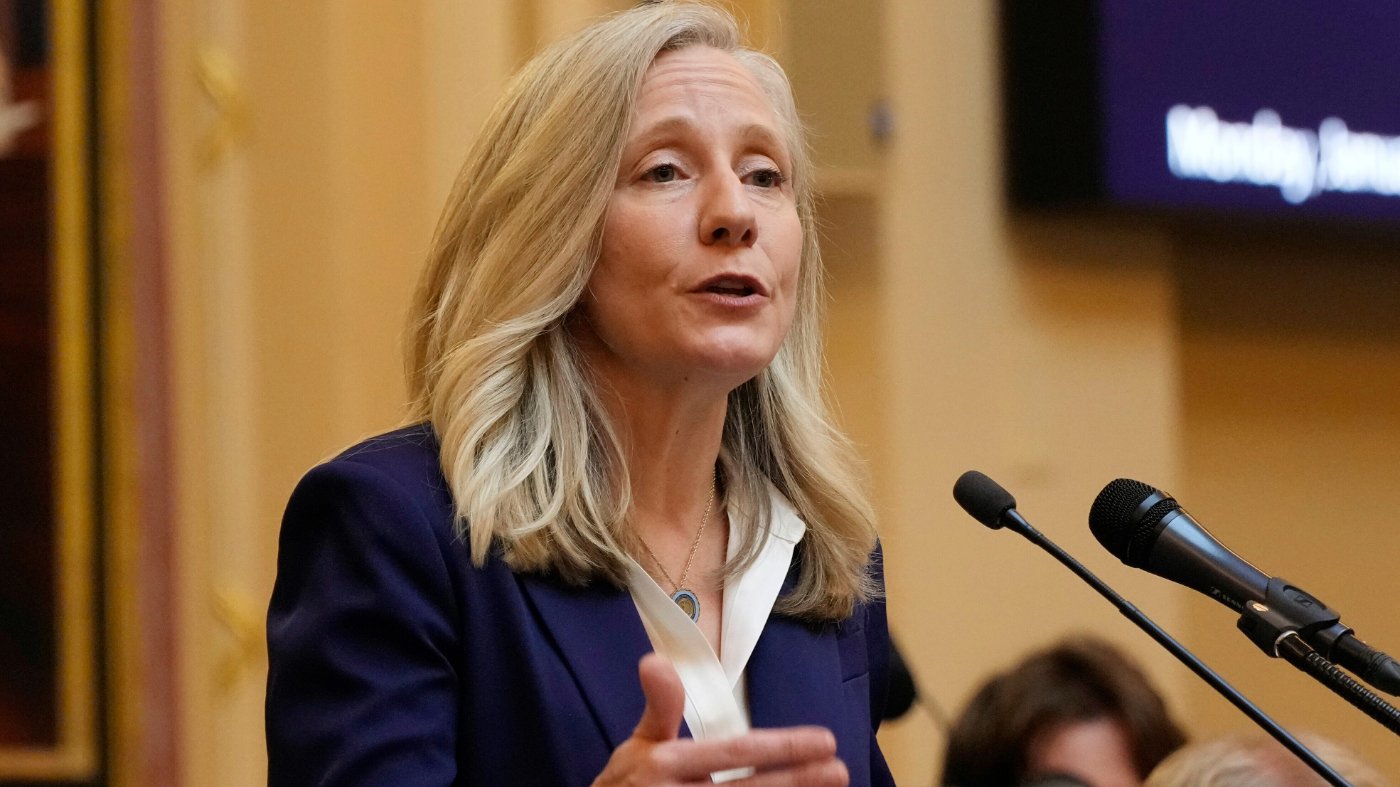
A new Washington Post-Schar School poll reveals Virginia Governor Abigail Spanberger's political standing has deteriorated significantly since her decisive 2025 election victory. Her approval rating now stands at just 47%, with 46% disapproval—a net positive of only one point. This represents a dramatic fall from her 58% vote share last November and places her 13 percentage points below the average approval for Virginia governors in Post polling since the 1990s.
Erosion of Moderate Credentials
The decline is particularly striking given Spanberger's carefully cultivated image as a pragmatic centrist. Earlier this year, she delivered the Democratic response to the State of the Union, emphasizing her bipartisan credentials as a former CIA officer and congressional moderate. The current poll shows her approval with independent voters has turned negative, with 45% approval against 46% disapproval—a stark reversal from the 59% of independents she carried in November.
Sixty-seven percent of respondents hold strong opinions about the governor, but those with strong disapproval (38%) substantially outnumber those with strong approval (29%). This intensity gap suggests growing discontent rather than mere ambivalence.
Tax Proposals Undermine Affordability Message
The political damage coincides with Democratic legislators proposing more than 50 tax increases, including levies on services like dog walking, gym memberships, and dry cleaning. These measures directly contradict Spanberger's February promise to work with the legislature "to lower costs and make the Commonwealth more affordable." The proposals have drawn criticism as counterproductive to the affordability message that powered Democratic victories in 2025, with some analysts suggesting they represent the kind of policy approach that drives consumer costs higher.
Controversial Redistricting Push
Compounding Spanberger's challenges is her association with a highly partisan redistricting effort. Democrats are attempting to replace Virginia's bipartisan redistricting plan with one that would dramatically alter the state's congressional delegation from a 6-5 Democratic advantage to a 10-1 Democratic advantage. Based on Democrats' 50.8% presidential vote share in 2024, this would create what analysts call the most leveraged gerrymander in the country.
The proposal faces uncertain prospects. Current polling shows only narrow support (52-47%) for the measure, with high-propensity voters leaning slightly against it. Early voting patterns show stronger turnout in Republican-leaning districts, suggesting the effort could fail. A failed power grab would leave Spanberger appearing both highly partisan and ineffective. The situation echoes broader tensions within the party, where ethics and partisan overreach can trigger bipartisan backlash.
National Implications
Spanberger's rapid decline carries national significance for Democrats. Her 2025 victory was celebrated as validation of Democratic centrism, and her subsequent struggles may signal trouble for the party's moderate wing. The redistricting fight in Virginia is being watched closely as a test of Democratic political strength, with potential implications for the balance of power in the U.S. House. Some observers note that while the national climate may be shifting, state-level overreach can produce swift reversals.
The governor's predicament is worsened by external criticism, including attacks from former President Donald Trump, who has targeted Spanberger's leadership. With her approval rating now below 50% just months into her term, Spanberger faces the difficult task of rebuilding trust with voters who supported her as a moderate problem-solver while managing a state party pursuing aggressively partisan policies.