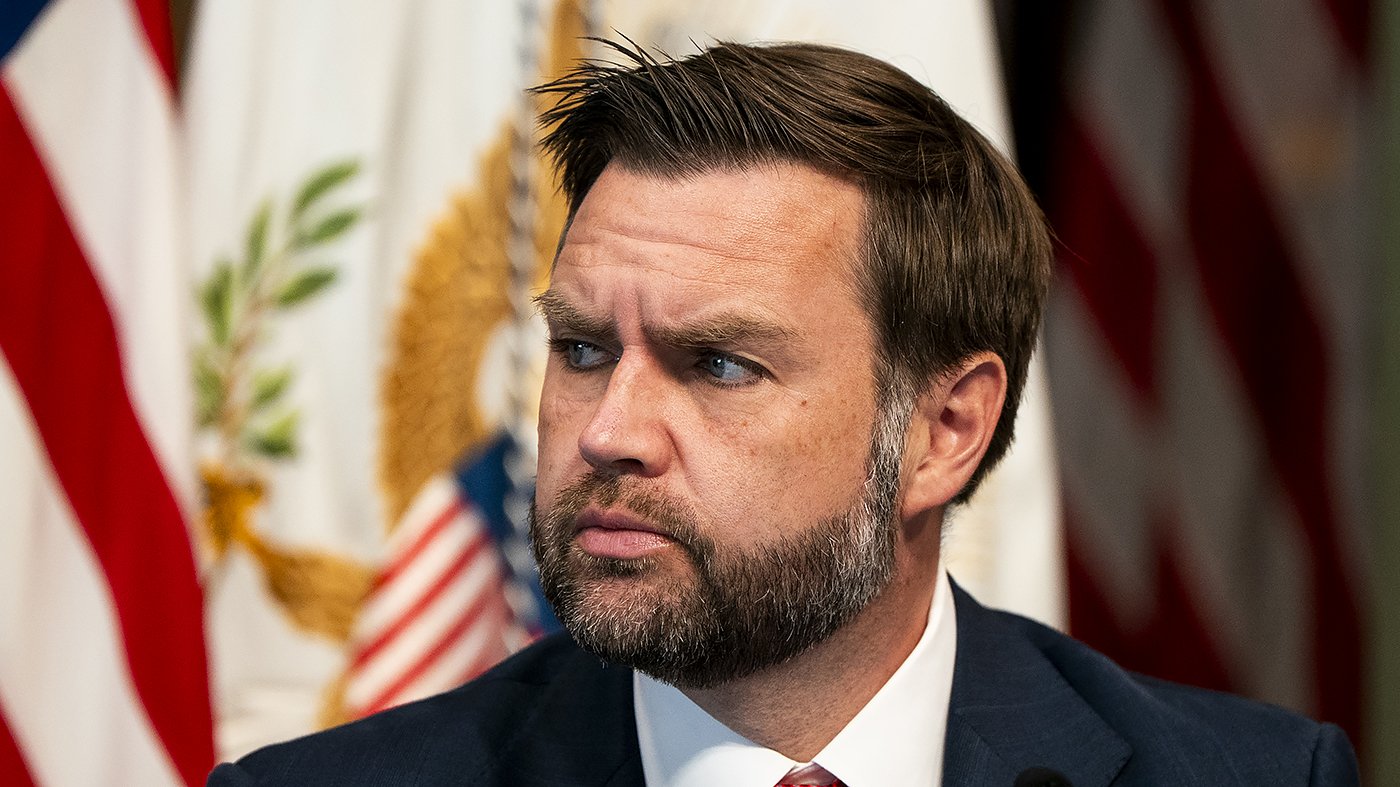
In a pointed message to his own party, Vice President Vance warned Republicans on Thursday that they have only themselves to blame if young voters continue to drift toward progressive and socialist ideas. Speaking on Fox News' “The Will Cain Show,” he argued that dismissing the economic frustrations driving this trend would be a strategic error.
“Our response to that [socialism] can’t just be to ignore the economic concerns that I think are feeding this rising interest in socialism,” Vance said. He emphasized that Americans deserve a government that facilitates a good life—making it easier to start a family, afford education, secure a good job, and buy a home.
The vice president touted the Trump administration's economic record, acknowledging that “these things sometimes take a little bit of time.” He pointed to investments in U.S. manufacturing that create middle-class jobs, efforts to stabilize housing prices, and the administration's push to lower interest rates as key measures.
“We want people to be able to afford the good things about this wonderful country we all live in,” he added. But his central warning was stark: “My warning to my fellow Republicans would be if we don’t get this right, don’t blame young people for being sympathetic to socialism. We’ve got to blame ourselves.”
Vance rejected the notion that free-market slogans alone can counter socialist appeals. “You don’t stop socialism by throwing slogans at people about the free market. As much as I love the free market, you stop socialism by making people’s lives better, and that’s what we’re trying to do every single day,” he said.
The remarks come as progressive candidates gain ground in Democratic primaries nationwide, prompting President Trump and his allies to label them as socialists and communists. Yet recent polling suggests the administration's economic messaging may be falling flat. A Reuters/Ipsos poll this month showed Trump's approval rating stuck in the mid-30s, with slightly more Americans preferring Democratic economic policies over Republican ones.
Vance's comments reflect a broader concern among some Republicans that economic anxiety—especially among younger voters—could undermine the party's long-term prospects. The tension between cultural messaging and economic substance is a recurring theme in GOP politics, as highlighted by commentary from conservative pundits and warning signs in key state races.
For now, the administration is betting that its policies will eventually translate into tangible improvements for working families. But as Vance acknowledged, the clock is ticking, and young voters are watching closely.