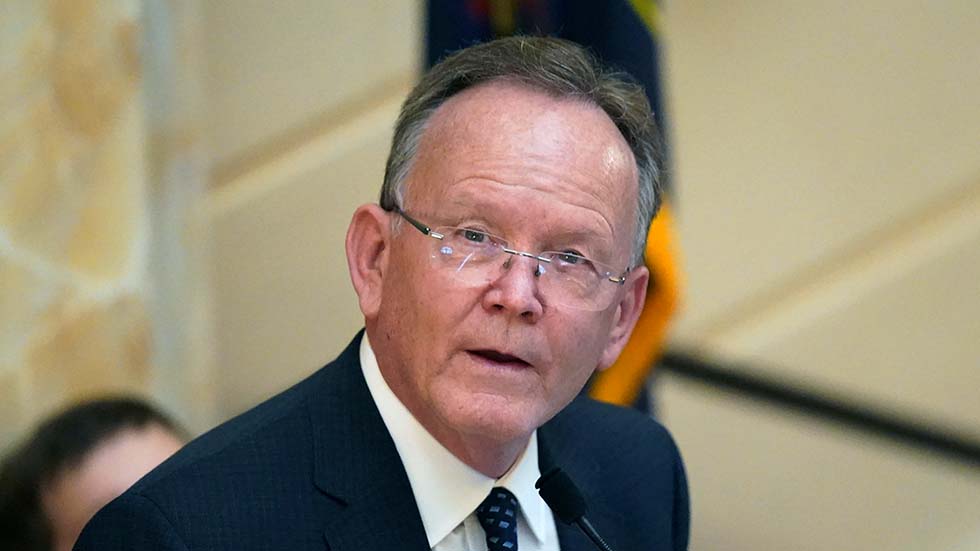
In a stunning political upset, Utah Senate President Stuart Adams lost his Republican primary Tuesday, driven by voter outrage over his backing of a massive data center project in Box Elder County. The defeat marks the end of an era for the longest-serving Senate president in state history, who had coasted to reelection in previous cycles.
Adams was unseated by Stephanie Hollist, a former university attorney and vocal critic of the Stratos data center development. Hollist campaigned on a platform of accountability, accusing Adams and the state's political establishment of ignoring public concerns about the project's potential environmental impact.
“This is a wake-up call for politicians who think they can steamroll their constituents,” Hollist said in a statement after her victory. “The people of Box Elder County deserve leaders who listen, not just rubber-stamp corporate interests.”
The controversy centers on the Stratos data center, a sprawling facility that critics warn could strain local water resources and disrupt the fragile desert ecosystem. Adams, in his role as head of the Utah Military Installation Development Authority, helped advance initial approvals for the project earlier this year. That decision made him a lightning rod for voter anger, as many residents felt their concerns were dismissed.
The backlash didn’t stop with Adams. Box Elder County Commissioners Boyd Bingham and Lee Perry, both of whom voted to allow the project to proceed, also lost their primary races on Tuesday. The coordinated defeats underscore a growing grassroots movement in Utah against large-scale tech infrastructure projects that locals perceive as environmentally risky.
The political fallout in Box Elder County mirrors a broader national debate over data center development. Republicans have increasingly pointed to China as a driver of data center expansion, arguing that national security concerns justify tighter oversight. Meanwhile, some Democrats have called for a national moratorium on AI data centers, citing environmental and community impacts.
Adams had represented a reliably conservative district and was considered a shoo-in for reelection. His defeat signals that even entrenched incumbents are vulnerable when voters perceive a disconnect between legislative actions and community values. “This isn’t just about one project,” said political analyst Karen Jensen. “It’s about whether voters feel heard. When they don’t, they will find someone who listens.”
The Stratos data center project remains in limbo, with new county commissioners likely to face intense pressure from both developers and activists. For now, the message from Box Elder County is clear: political power has its limits when the public pushes back.